 0
0
 0
0
NAIROBI, Kenya — In a proactive effort to fortify East Africa’s health defenses against potential disease spillover, India has delivered a 4.5-tonne first consignment of medical assistance to Kenya. Handed over at Jomo Kenyatta International Airport on July 22, 2026, the shipment is specifically targeted at bolstering disease surveillance, frontline infection control, and outbreak readiness. Although Kenya has recorded zero confirmed Ebola cases, health authorities are scaling up national precautions as regional transmission risks in neighboring Democratic Republic of Congo (DRC) and Uganda remain high.
Inside the Shipment: Essential Protection for Frontline Workers
The initial consignment comprises 279 packages packed with critical infection-prevention and outbreak-response gear. Among the delivered supplies are high-grade Personal Protective Equipment (PPE) kits, specialized sample transportation units, infrared non-contact thermometers, heavy-duty protective boots, face shields, and hygienic barrier materials. Official sources confirmed that a second tranche of medical supplies will arrive in Nairobi shortly.
┌────────────────────────────────────────────────────────────────────────┐
│                        SHIPMENT BREAKDOWN                              │
├────────────────────────────────────────────────────────────────────────┤
│ Total Weight:          4.5 Tonnes (Tranche 1)                          │
│ Package Count:         279 Packages                                    │
│ Core Logistics:        PPE Kits, Sample Transport Units, Infrared      │
│                        Thermometers, Face Shields, Protective Boots    │
│ Recipient Institution: Kenya National Public Health Institute (KNPHI)  │
└────────────────────────────────────────────────────────────────────────┘
The handover was conducted by Indian High Commissioner Adarsh Swaika to Kenya’s Cabinet Secretary for Health, Aden Duale. The shipment builds upon India’s delivery of more than 45 tonnes of medical assistance to the Africa Centres for Disease Control and Prevention (Africa CDC) earlier this summer, aimed at strengthening pan-African biosecurity.
Why Kenya is Preemptively Scaling Up Readiness
While Kenya’s Ministry of Health maintains that no active Ebola cases have been detected inside its borders, regional dynamics require maximum vigilance. Ongoing outbreaks of the Bundibugyo Ebola strain across borders in East and Central Africa have prompted neighboring public health agencies to heighten alert levels.
Historically, the World Health Organization (WHO) classified Kenya as a high-risk country for rapid viral transmission—not due to internal systemic failure, but because of its role as East Africa’s primary transportation hub. Jomo Kenyatta International Airport and busy cross-border land corridors like Busia handle thousands of travelers daily. Without strict border management and immediate laboratory isolation capabilities, imported cases can quickly spread before detection.
To mitigate these operational vulnerabilities, Kenya’s Ministry of Health, working through the Kenya National Public Health Institute (KNPHI) and its Incident Management System, has implemented robust containment protocols:
-
Targeted Regional Allocation: Identifying 25 high-risk counties bordering affected nations for prioritized logistics, equipment distribution, and personnel deployment.
-
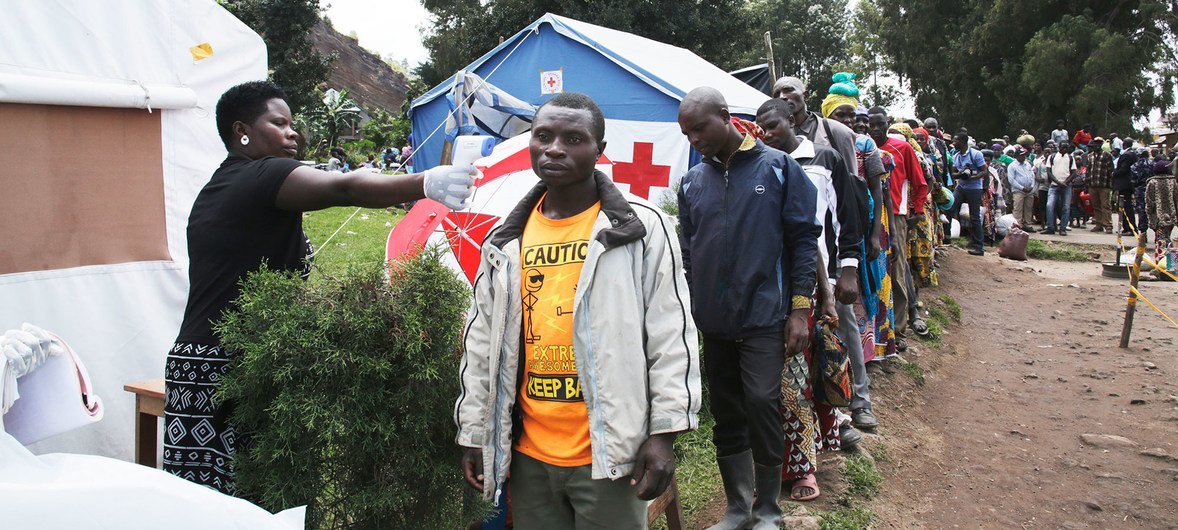
Active Entry-Point Screening: Deploying thermal screening and symptom monitoring across international airports and land border crossings.
-
Live Operational Drills: Conducting multi-agency simulation exercises in border counties like Busia to test rapid isolation protocols, contact tracing, and emergency team communications.
-
24/7 Laboratory Readiness: Activating national reference laboratories to handle and test suspected biological samples rapidly.
The Science of Containment: Why Preparedness Matters
Ebola Virus Disease is a severe, often fatal hemorrhagic illness in humans. Unlike airborne respiratory viruses such as influenza or SARS-CoV-2, Ebola spreads strictly through direct contact with broken skin or mucous membranes and the bodily fluids (blood, saliva, vomit, sweat) of an infected person or contaminated surfaces.
Because transmission requires close proximity to symptomatic individuals or biological samples, frontline healthcare staff face the highest occupational hazard during an outbreak.
“In infectious disease management, the window between initial case importation and secondary transmission is incredibly narrow. Equipping frontline personnel with specialized sample transit kits and high-grade PPE before a case arrives is the single most effective way to protect healthcare systems from collapsing during an outbreak.”
When personal protective equipment or proper sample transportation tools are missing, health facilities risk turning into amplification centers for the virus. By supplying specialized sample containment units, the aid shipment allows healthcare teams to collect and transport biological samples safely to national reference laboratories without putting couriers or lab technicians at risk.
Global Cooperation and Infrastructure Limits
While international aid packages provide immediate logistical relief, public health experts emphasize that physical supplies represent only one piece of a complex defense system. Equipment alone cannot prevent or contain an outbreak without a sustained operational architecture.
                  ┌─────────────────────────────────────┐
                  │    RESILIENT HEALTH PREPAREDNESS     │
                  └──────────────────┬──────────────────┘
                                     │
         ┌───────────────────────────┼───────────────────────────┐
         │                           │                           │
┌────────┴────────┐         ┌────────┴────────┐         ┌────────┴────────┐
│  STOCKS & GEAR  │         │ HUMAN RESOURCES │         │ SYSTEM INTEGR.  │
├─────────────────┤         ├─────────────────┤         ├─────────────────┤
│ • PPE Kits      │         │ • Rapid Response│         │ • Lab Capacity  │
│ • Sample Transport│       │   Deployment    │         │ • Public Trust  │
│ • Thermometers  │         │ • Trained Staff │         │ • Cross-Border  │
│ • Isolation Beds│         │ • Community Ops │         │   Data Sharing  │
└─────────────────┘         └─────────────────┘         └─────────────────┘
Kenya’s Ministry of Health recently noted that while national preparedness metrics have risen to 66 percent, critical gaps remain in long-term case management infrastructure, workforce surge capacity, and sustainable emergency financing. Lasting protection depends on continuous health-worker training, robust surveillance networks, community trust, and rapid transparent communication across international borders.
What This Means for Readers and Health Professionals
For the general public, this international relief effort highlights a fundamental principle of modern global health: prevention begins long before a hospital admits its first patient. The proactive distribution of medical supplies is a sign of effective screening and precautionary planning rather than an active crisis. Members of the public, particularly those travelling across international borders, should follow public health guidance, stay informed through verified health channels, and seek immediate medical evaluation if experiencing sudden high fever, severe fatigue, or unexpected bleeding.
For healthcare professionals, the consignment highlights the vital importance of strict Infection Prevention and Control (IPC) protocols. Clinicians working at border triage points and regional referral facilities must remain vigilant, maintain high index-of-suspicion protocols for patients with recent travel histories to active transmission zones, and strictly adhere to safe handling standards for clinical specimens.
References
-
The Hindu. “India sends 4.5 tonnes of medical aid to Kenya to boost Ebola preparedness.” Published July 23, 2026.
Medical Disclaimer: This article is for informational purposes only and should not be considered medical advice. Always consult with qualified healthcare professionals before making any health-related decisions or changes to your treatment plan. The information presented here is based on current research and expert opinions, which may evolve as new evidence emerges.