 0
0
 0
0
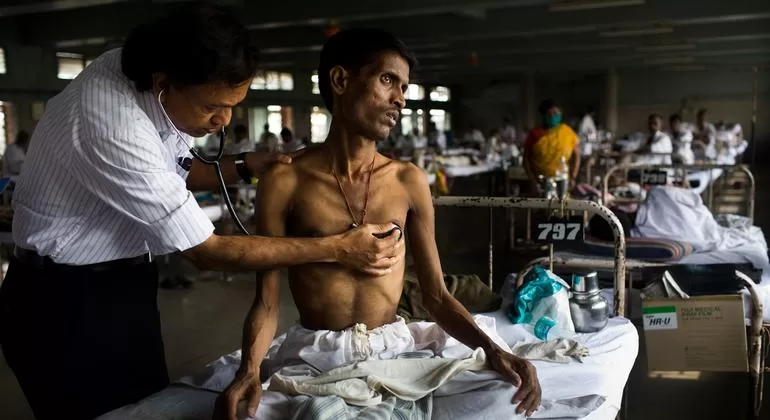
CHENNAI, India — Tamil Nadu identified 48,469 tuberculosis (TB) cases in the first six months of 2026, with 100% of diagnosed patients successfully enrolled in direct treatment programs, state health officials announced this week. Following a comprehensive review led by the state health minister, authorities confirmed that the figures reflect an aggressive, state-wide screening campaign rather than an isolated spike in transmission. By scaling up diagnostic access, mobile imaging, and community outreach, Tamil Nadu aims to catch infections at earlier stages, cutting off transmission chains across vulnerable populations.
Unpacking the Numbers: Surveillance vs. Outbreak
The new mid-year count follows 93,203 TB cases reported across Tamil Nadu in 2025. According to public health analysts, consistent high-volume case reporting is an indicator of robust active case-finding rather than a worsening epidemic.
Data from the National Health Mission (NHM) places Tamil Nadu among India’s top-performing states in tuberculosis management. As of mid-2024, the state maintained a treatment success rate of 85% and a notification rate of 124 per 100,000 population. Public health authorities attribute these metrics to expanded private-sector notifications, Universal Drug Sensitivity Testing (UDST), and rapid digital tracking.
Why High Detection Signals Public Health Strength
Tuberculosis, an infectious bacterial disease caused by Mycobacterium tuberculosis, primarily affects the lungs (pulmonary TB) and spreads through airborne droplets when infected individuals cough or sneeze. India carries a significant proportion of the global TB burden, making early detection critical to curbing national transmission.
In epidemiology, elevated diagnostic figures can carry a dual meaning:
-
True Disease Burden: Reflects ongoing community transmission in densely populated or socioeconomically vulnerable regions.
-
Health System Performance: Demonstrates that surveillance networks are actively locating mild, asymptomatic, or early-stage cases before they spread further.
To catch infections early, Tamil Nadu has integrated digital chest X-rays and rapid molecular tests into primary healthcare centers. Modern molecular diagnostics can identify bacterial DNA and screen for drug resistance in hours, replacing traditional culture methods that previously took weeks.
A Multi-Front Strategy: “Detect–Treat–Prevent–Build”
Tamil Nadu’s National Tuberculosis Elimination Programme (NTEP) framework relies on a four-pillar model: Detect–Treat–Prevent–Build.
[ Active Screening ] ──► [ Rapid Diagnostics ] ──► [ Standardized Therapy ] ──► [ Household Prevention ]
  Mobile X-Ray Vans        Molecular NAAT Tests       Shorter Oral Regimens       Preventive Therapy (TPT)
Key initiatives driving current progress include:
-
Integrated Care Hubs: Standardizing diagnostic and treatment workflows through “walk-in” TB centers at primary health centers.
-
Targeted Outreach: Deploying mobile vans equipped with digital radiography to congregate settings, including correctional facilities, industrial housing, and residential care homes.
-
Tuberculosis Preventive Therapy (TPT): Offering household contacts of confirmed cases shorter, combined preventive regimens to neutralize latent infections before active disease develops.
-
Drug-Resistant Care Pathways: Providing specialized clinical monitoring and secondary regimens for cases resistant to first-line antibiotics like rifampicin.
Expert Insights and Real-World Limitations
Independent public health experts emphasize that identifying cases is only the first hurdle in eradicating tuberculosis.
“High case detection is a positive diagnostic marker, but the true test of a public health system lies in treatment completion,” explains public health researchers studying regional infectious disease trends. “TB care requires long-term adherence monitoring, nutritional support, and systematic household tracing.”
Ongoing Systemic Challenges
While Tamil Nadu’s tracking metrics are strong, health workers face persistent real-world obstacles:
| Challenge Category | Specific Impact | Mitigation Strategy |
| Social Stigma | Patients delay seeking care due to fear of isolation | Community-level awareness and peer counseling |
| Logistical Barriers | Rural or daily-wage workers struggle with clinic visits | Decentralized medicine distribution and walk-in clinics |
| Treatment Adherence | Multi-month drug regimens can lead to pill fatigue | Shorter combined drug regimens and digital follow-ups |
| Drug Resistance | Incomplete treatment cycles risk breeding resistant strains | Universal Drug Sensitivity Testing at diagnosis |
What This Means for Readers
Public health officials remind the public that tuberculosis is fully curable when diagnosed early and treated with complete regimens.
Key Symptoms to Watch For:
-
Persistent cough lasting two weeks or longer
-
Unexplained weight loss and loss of appetite
-
Recurrent low-grade fever, especially in the evening
-
Drenching night sweats and chronic fatigue
Anyone experiencing these symptoms should seek evaluation at a government hospital or primary health center, where diagnostic testing and first-line TB medications are provided free of charge. If a family member is diagnosed, household contacts should participate in preventive screening to protect the wider household.
References
-
The Hans India. “TN detects 48,469 TB cases in first half of 2026; intensifies elimination efforts.” Published July 22, 2026.
Medical Disclaimer: This article is for informational purposes only and should not be considered medical advice. Always consult with qualified healthcare professionals before making any health-related decisions or changes to your treatment plan. The information presented here is based on current research and expert opinions, which may evolve as new evidence emerges.