 0
0
 0
0
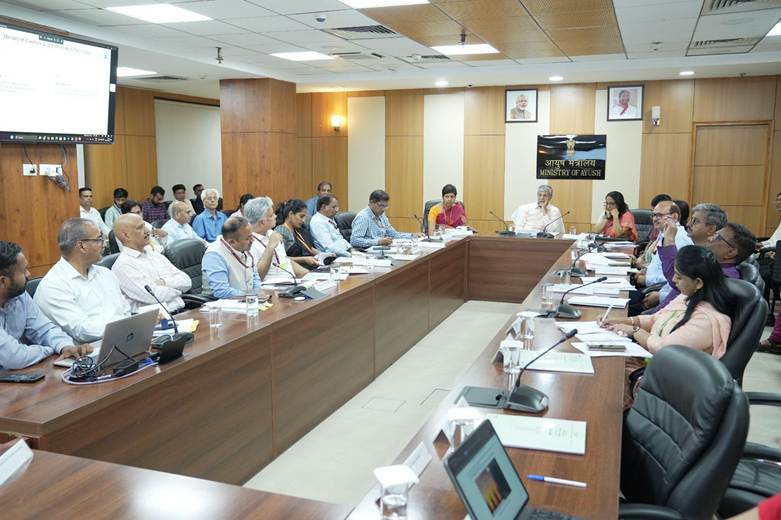
NEW DELHI – In a high-powered mobilization of state resources, the Ministry of Ayush has officially accelerated preparations for the 12th International Day of Yoga (IDY) 2026. Following a pivotal Core Committee meeting on April 28, 2026, officials signaled a transition toward a “Whole-of-Government” approach, aiming to integrate yoga more deeply into public health policy and daily life.
The meeting, chaired by Vaidya Rajesh Kotecha, Secretary of the Ministry of Ayush, brought together senior representatives from over 15 key departments, including Home Affairs, Health and Family Welfare, and Information & Broadcasting. The consensus was clear: the 2026 observance will not just be a single-day event but a year-long catalyst for “holistic health, preventive healthcare, and overall well-being.”
Strategic Shift: From Celebration to Habit
A central theme of the 2026 roadmap is the “Yoga 365” campaign, an initiative designed to move beyond the ceremonial aspects of June 21 and foster consistent, daily practice. To support this, the Morarji Desai National Institute of Yoga (MDNIY) has partnered with digital platforms to offer free, accessible sessions to the public.
“IDY 2026 will build upon the strong foundation laid in previous years while introducing new dimensions of public engagement,” Secretary Kotecha stated during the meeting. He emphasized that institutional convergence across ministries—from Railways to Electronics & IT—is essential to elevate yoga as a “powerful tool for health, harmony, and collective well-being.”
New Frontiers: AI and Specialized Protocols
This year’s preparations highlight a modernization of traditional practices. The Ministry has launched 10 new Yoga Protocols specifically tailored for:
-
Non-Communicable Diseases (NCDs): Targeted routines for hypertension, diabetes, and respiratory health.
-
Target Groups: Specialized sequences for the geriatric population and corporate employees.
-
In-Transit Wellness: A “Yoga for Air Travel” protocol—a five-minute routine of seated movements and breathing exercises for long-haul passengers.
In a nod to the future of healthcare, the committee also discussed the intersection of Yoga and Artificial Intelligence (AI), exploring how wearable technology and AI-driven apps can provide real-time feedback on posture and physiological stress markers.
The Clinical Case for Yoga: 2026 Research Insights
While the administrative machinery gears up, medical researchers continue to bolster the evidence base for yoga as a clinical intervention. According to the World Health Organization (WHO), physical inactivity is a leading risk factor for NCDs, which account for nearly 70% of global deaths.
Recent peer-reviewed data published in the journal Associations of Yoga as a Mind-Body Exercise (2026) highlights yoga’s role in activating the parasympathetic nervous system, which directly counters the physiological effects of chronic stress.
“Yoga is no longer viewed merely as a spiritual pursuit but as a robust, evidence-based adjunctive therapy,” says Dr. Anna B. Shannahan, an Integrative Health Physician. “From improving lung function in asthma patients to reducing ambulatory systolic blood pressure in hypertension, the clinical applications are vast.”
Key Statistical Highlights:
-
Mental Health: A 2025 systematic review found that yoga interventions reduced symptoms of depression and anxiety by roughly 28–32%, comparable in some cases to traditional psychotherapy.
-
Chronic Pain: Research in JAMA (2024) indicated that yoga is one of the most effective non-pharmacological treatments for chronic low back pain, significantly reducing disability scores.
-
Geriatric Care: For those over 60, regular practice has been shown to improve “sleep efficiency”—the actual percentage of time spent sleeping while in bed—by over 15%.
Public Health Implications and Limitations
The Ministry’s “Whole-of-Government” strategy aims to tackle the global epidemic of sedentary lifestyles. However, medical experts urge a balanced perspective. While yoga offers significant benefits, it is not a panacea.
Limitations and Considerations:
-
Injury Risk: High-intensity or “hot” yoga may pose risks for individuals with low bone density or certain cardiovascular conditions.
-
Quality of Instruction: The Ministry has addressed this by focusing on “Yoga Professionals” in their national contests and training programs, ensuring that public demonstrations follow safe, standardized protocols.
-
Not a Replacement: Medical authorities emphasize that yoga should complement, not replace, conventional medical treatments for serious illnesses like clinical depression or advanced cardiovascular disease.
Looking Ahead: The Countdown Begins
As the 100-day countdown progresses, the public can expect an increase in digital engagement through the “Yoga My Pride” photography contests and large-scale demonstrations at “iconic locations” worldwide. The goal is to reach every corner of India, from rural Panchayats to urban tech hubs, positioning yoga as a sustainable solution to modern health challenges.
For the average citizen, the message from the Ministry is simple: start where you are. Whether it is a five-minute breathing exercise at a desk or a full session in a park, the 2026 roadmap is designed to make “Yoga for All” a practical reality.
Reference Section
https://www.pib.gov.in/PressReleasePage.aspx?PRID=2256330®=3&lang=1
Medical Disclaimer: This article is for informational purposes only and should not be considered medical advice. Always consult with qualified healthcare professionals before making any health-related decisions or changes to your treatment plan. The information presented here is based on current research and expert opinions, which may evolve as new evidence emerges.