 0
0
 0
0
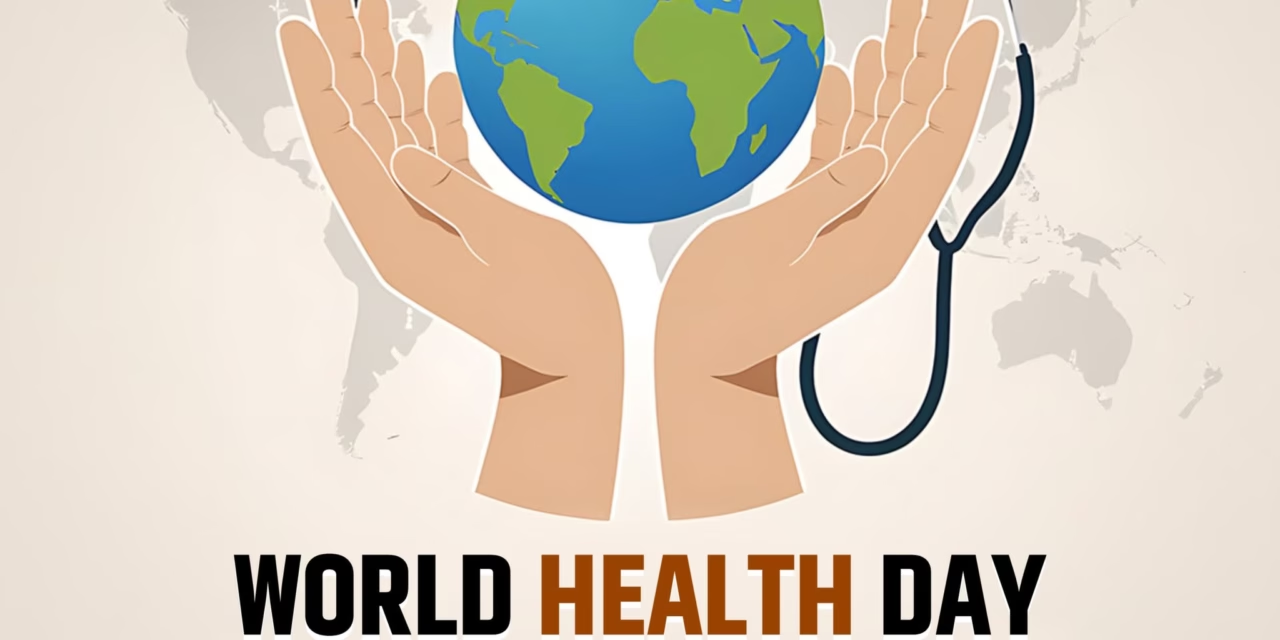
NEW DELHI — On the occasion of World Health Day 2026, Union Minister for Health and Family Welfare, Shri Jagat Prakash Nadda, reinforced India’s commitment to a “preventive and promotive” healthcare model, moving the national focus from reactive treatment to proactive wellness. In an address that resonated with both healthcare providers and the public, the Minister detailed how the integration of traditional wisdom and modern medical science is reshaping the health landscape for over 1.4 billion people.
The announcement comes at a pivotal time as India continues to expand its digital health infrastructure and universal insurance coverage, aiming to close the gap between urban centers and rural outposts.
A Paradigm Shift: From Cure to Care
For decades, healthcare systems globally have been criticized for being “sick-care” systems—focusing resources on treating diseases after they manifest. Minister Nadda’s address signaled a strategic pivot. By prioritizing “promotive” healthcare, the government aims to address the social and lifestyle determinants of health before they escalate into chronic conditions.
“India’s approach to healthcare combines age-old wisdom with modern science,” Minister Nadda stated, highlighting the synergy between traditional practices, such as Yoga and Ayurveda, and cutting-edge pharmaceutical and diagnostic advancements.
This dual-track strategy is designed to combat the rising tide of Non-Communicable Diseases (NCDs) like diabetes and hypertension, which, according to the World Health Organization (WHO), now account for nearly 66% of all deaths in India.
Strengthening the Backbone: Ayushman Bharat and Beyond
The Minister highlighted two flagship initiatives as the pillars of India’s inclusive healthcare strategy:
-
Ayushman Bharat Pradhan Mantri Jan Arogya Yojana (PM-JAY): As the world’s largest government-funded health insurance scheme, PM-JAY has provided a safety net for millions, offering coverage of up to ₹5 lakh per family per year for secondary and tertiary care.
-
PM Bharatiya Janaushadhi Pariyojana: This initiative has drastically reduced out-of-pocket expenditure—a major cause of poverty in India—by providing high-quality generic medicines at 50% to 90% less than the market price of branded alternatives.
According to government data, the Janaushadhi outlets have saved citizens over ₹28,000 crore in the last few years, making essential drugs for chronic conditions accessible to the lowest income brackets.
The Role of Frontline Workers
In a heartfelt tribute, the Minister expressed gratitude to the nation’s doctors, nurses, and frontline workers. This recognition underscores the vital role of the Accredited Social Health Activist (ASHA) workers and Auxiliary Nurse Midwives (ANMs) who form the “last mile” of the healthcare delivery system.
“The dedication of our frontline workers is what keeps the system strong,” Nadda remarked. This sentiment is backed by public health experts who note that the success of immunization drives and maternal health programs rests almost entirely on this grassroots workforce.
Expert Perspectives: A Balanced View
While the government celebrates these milestones, independent health experts suggest that the road ahead requires sustained investment in human resources.
“The focus on preventive health is exactly what the country needs to manage the NCD crisis,” says Dr. Ananya Sharma, a Public Health Consultant not affiliated with the Ministry. “However, the challenge remains in the equitable distribution of specialists. While Ayushman Bharat handles the financial aspect, we must continue to improve the physical infrastructure and the doctor-to-patient ratio in Tier-3 cities and villages.”
Furthermore, some health economists point out that while generic medicines (Janaushadhi) have improved affordability, ensuring a consistent supply chain and maintaining rigorous quality control across all outlets remains a logistical hurdle that requires constant vigilance.
Practical Implications for Citizens
For the average citizen, the government’s focus on preventive care translates into several actionable health decisions:
-
Utilization of Health and Wellness Centres (HWCs): Over 160,000 HWCs have been established to provide free screenings for hypertension, diabetes, and three common cancers (oral, breast, and cervical). Citizens are encouraged to seek early screenings rather than waiting for symptoms.
-
Adopting a Balanced Lifestyle: The Minister’s call for a “balanced lifestyle” aligns with global health recommendations to reduce sedentary behavior and processed food intake.
-
Financial Protection: Families are encouraged to verify their eligibility for Ayushman Bharat to avoid catastrophic health expenditures during emergencies.
Looking Ahead: Global Leadership in Health
Minister Nadda’s address also touched upon India’s role as the “Pharmacy of the World.” By exporting affordable vaccines and medicines, India’s healthcare model is increasingly being viewed as a blueprint for other developing nations seeking to achieve Universal Health Coverage (UHC).
As World Health Day 2026 concludes, the message from the Ministry is clear: the future of Indian healthcare is not just found in high-tech hospitals, but in the daily habits of its citizens and the accessibility of its primary care centers.
Reference Section
Primary Sources:
-
Official Statement: Press Information Bureau (PIB) Delhi. (2026, April 7). Union Health Minister Shri J.P. Nadda extends greetings on World Health Day. [Post on X Platform].
Medical Disclaimer: This article is for informational purposes only and should not be considered medical advice. Always consult with qualified healthcare professionals before making any health-related decisions or changes to your treatment plan. The information presented here is based on current research and expert opinions, which may evolve as new evidence emerges.