 0
0
 0
0
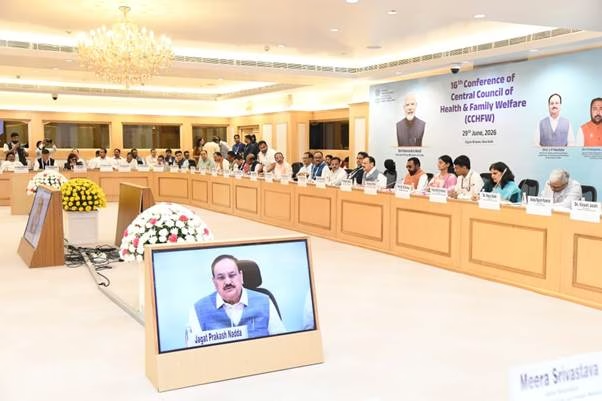
NEW DELHI — On June 29, 2026, Union Minister of Health and Family Welfare Shri Jagat Prakash Nadda chaired the landmark 16th Conference of the Central Council of Health and Family Welfare (CCHFW). The high-level convention gathered state health ministers, NITI Aayog representatives, and top medical policymakers in the capital to review national health programs, tackle emerging public health crises, and solidify the federal-state collaborations required to build a developed and healthy India by 2047 (Viksit Bharat). Moving beyond standard progress reports, the conference culminated in the rollout of four major policy frameworks aimed at revolutionizing emergency care, maternal health, child development, and nutrition across the nation.
Decentralizing Care: The Shift Toward Primary and Holistic Health
A central theme of the conference was India’s ongoing transition away from a strictly curative, hospital-centric medical model toward a comprehensive, preventive healthcare framework. Minister Nadda noted that the National Health Policy of 2017 catalyzed this paradigm shift by treating wellness as an inclusive continuum encompassing preventive, promotive, curative, palliative, and rehabilitative care.
To operationalize this massive structural change for India’s nearly 1.5 billion citizens, the Union Government has prioritized reinforcing the foundational layers of the health ecosystem. Central to this strategy is the rollout of nearly 185,000 Ayushman Arogya Mandirs (AAMs) across urban and rural sectors. These primary health hubs act as the first point of clinical contact for local communities, filtering out mild or chronic ailments before they overwhelm specialized tertiary hospitals.
Below is a look at a standardized Ayushman Arogya Mandir, demonstrating how these decentralized primary centers are localized to deliver front-line healthcare services and preventative screenings directly within community neighborhoods.
To support these primary access points, the government has simultaneously expanded higher-tier medical infrastructure. The Ministry reported the successful establishment of 23 new All India Institutes of Medical Sciences (AIIMS) and more than 157 new medical colleges, intentionally distributed across historically underserved and aspirational districts to bridge deep-seated geographic divides in medical access.
By the Numbers: India’s Rapid Gains in Public Health Indicators
Data presented at the summit highlighted significant progress in Indian public health indicators over the last decade, with many metrics outpacing historical global averages.
| Health Indicator | Past Metric (2014 / Historic Baseline) | Current Status (2026) | Comparative Context |
| Maternal Mortality Ratio (MMR) | 130 per 100,000 live births | 87 per 100,000 live births | 86% decline since 1990 (vs. 48% globally) |
| Under-Five Mortality Rate | High historical baseline | 79% reduction since 1990 | Higher than the global decline of 61% |
| Neonatal Mortality Rate | High historical baseline | 70% reduction since 1990 | Higher than the global decline of 54% |
| Total Fertility Rate (TFR) | Above replacement level | 2.0 children per woman | Below the standard replacement level of 2.1 |
| National Life Expectancy | Historical mid-60s | 70.3 Years | Reflects improved sanitation and primary care |
Key Takeaway: The United Nations Maternal Mortality Estimation Report underscores that India’s targeted public health interventions have driven an 86% long-term reduction in maternal mortality, nearly doubling the speed of the global decline.
Progress in Immunization and Communicable Disease Control
The conference highlighted substantial progress in preventative medicine, driven primarily by large-scale immunization campaigns and specialized infectious disease programs.
-
Routine and Novel Immunizations: Under the flagship Mission Indradhanush initiative, healthcare workers have successfully reached and vaccinated 54.6 million children and 13.2 million pregnant women who had previously dropped out of or missed routine immunization schedules. Additionally, the nationwide Human Papillomavirus (HPV) vaccination drive—launched earlier this year on February 28, 2026—has already covered over 5 million adolescent girls to prevent cervical cancer.
-
Infectious Disease Declines: Drawing from the World Health Organization (WHO) Global Tuberculosis Report, the Ministry announced a 21% decline in tuberculosis (TB) incidence in India, outperforming the global reduction rate of 12%. India’s active TB treatment coverage has reached 92%, well above the international average of 78%.
-
Disease Elimination Milestones: India has officially eliminated neonatal tetanus, achieved and sustained its polio-free status, and downgraded trachoma (a contagious bacterial eye infection) so that it is no longer classified as a public health threat. Furthermore, malaria cases dropped by 81%, and malaria-related fatalities fell by 80%.
Unveiling the Four New Public Health Frameworks
To address remaining gaps in emergency care and systemic disease, the Union Health Minister officially launched four key policy initiatives:
1. Operational Guidelines on National Ambulance Services (NAS) 2026
This policy introduces strict, uniform national standards for emergency medical transport across all states. By standardizing physical vehicle infrastructure, minimum medical equipment, onboard staffing credentials, and response protocols, the NAS 2026 framework aims to eliminate regional disparities in pre-hospital emergency care and integrate ambulances into regional digital dispatch networks.
2. The SUMAN Roadmap 2030
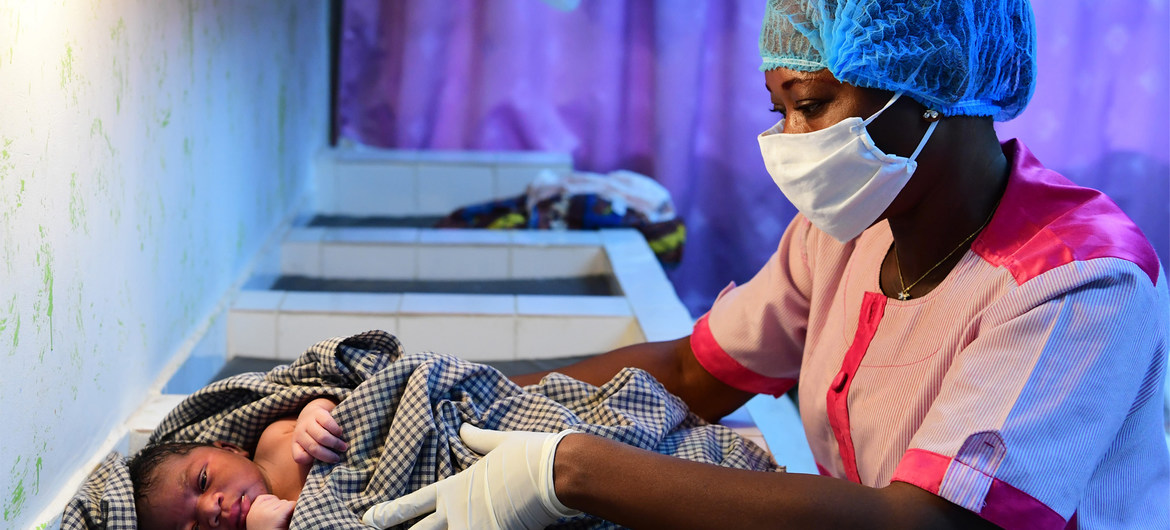
The Suraksheet Matritva Aashwasan (SUMAN) Roadmap 2030 outlines a strategic layout intended to eliminate preventable maternal and newborn deaths. The framework focuses heavily on guaranteeing dignified, respectful maternity care, expanding postpartum monitoring, and fast-tracking emergency obstetric services to hit the United Nations Sustainable Development Goals (SDGs) ahead of schedule.
3. Samagra Shishu Bal Swasthya Karyakram (SSBSK)
This unified child wellness program combines existing fragmented initiatives—specifically Home-Based Newborn Care (HBNC) and Home-Based Care for the Young Child (HBYC)—into a continuous, single care pipeline. Under SSBSK, community health workers will conduct structured home visits from birth up to age five, focusing on early symptom identification, nutritional counseling, and standardized hospital referrals.
4. Revamped Anemia Mukt Bharat Abhiyaan
Recognizing that anemia remains an obstinate public health concern, this next-phase program shifts toward a “saturation-based” screening model. The strategy utilizes digital beneficiary tracking, case-based management, mandatory nutritional supplementation, and behavioral communication campaigns to ensure comprehensive coverage across vulnerable demographics.
Public Health Implications, Expert Insight, and Implementation Hurdles
While the statistical achievements and policy launches were praised by council members, independent public health experts emphasize that policy creation is only half the battle. Because health is constitutionally designated as a State subject in India, the execution of these federal guidelines relies entirely on the fiscal health and administrative capacity of individual state governments.
“The introduction of standardized ambulance guidelines and integrated child health tracking are massive steps forward,” says Dr. Arisudan Patel, an independent health systems researcher not involved in the conference proceedings. “However, the primary hurdle remains the severe shortage of human resources—specifically doctors, specialized nurses, and certified lab technicians in rural Ayushman Arogya Mandirs. Without addressing the underlying workforce deficit, new equipment or guidelines cannot operate at full capacity.”
Furthermore, critics note that while a national Total Fertility Rate of 2.0 looks positive on paper, it masks profound regional variations. Several northern states continue to experience higher fertility rates and elevated infant mortality, whereas southern states have dropped well below replacement levels, requiring vastly different healthcare resource allocations. Managing these regional differences will test the Centre-State partnership stressed by Minister Nadda.
The massive scale of the non-communicable disease (NCD) screening data—which includes over 420 million individuals screened for diabetes and hypertension—also raises questions regarding long-term therapeutic follow-up. Diagnosing 73 million cases of hypertension and 50 million cases of diabetes is an important first step, but ensuring these individuals have consistent, affordable access to daily medications remains a critical test for India’s public health infrastructure moving toward 2047.
References
1. Government & Institutional Reports
-
Press Information Bureau (PIB) Delhi. (2026, June 29). Union Health Minister Shri Jagat Prakash Nadda Chairs 16th Conference of the Central Council of Health and Family Welfare. Ministry of Health and Family Welfare, Government of India.
Medical Disclaimer: This article is for informational purposes only and should not be considered medical advice. Always consult with qualified healthcare professionals before making any health-related decisions or changes to your treatment plan. The information presented here is based on current research and expert opinions, which may evolve as new evidence emerges.