 0
0
 0
0
AGARTALA — In a major move to upgrade rural healthcare infrastructure, the Government of India and Tripura state health authorities signed a landmark Memorandum of Understanding (MoU) in late June 2026. The agreement will supply Tripura with 48 Artificial Intelligence (AI)-enabled portable X-ray units, three advanced 1.5-Tesla (T) MRI machines, and three digital mammography/Digital Radiography (DR) equipment units. Funded primarily through the Prime Minister’s Development Initiative for North East Region (PM-DevINE) and related central health programmes, this initiative aims to decentralise advanced diagnostics, accelerate early disease detection, and reduce critical referral delays in a state that has historically faced limited access to specialized imaging services.
Decentralising Advanced Diagnostics to the Districts
For years, patients in Tripura requiring advanced medical imaging—such as high-resolution MRI scans or routine mammograms—had to travel long distances to the state capital, Agartala, or even out of the state entirely. According to state officials, the primary objective of this new deployment is to shift advanced diagnostic capabilities directly into selected district hospitals.
By placing high-end imaging equipment closer to rural and semi-urban populations, the state aims to drastically cut down waiting times and out-of-pocket travel costs for families. The rollout focuses on providing immediate, localized imaging solutions for trauma care, acute chest diseases, and urgent cancer screenings.
The Technology: Point-of-Care Imaging and AI Triage
The technological core of this initiative relies on three distinct types of diagnostic equipment:
-
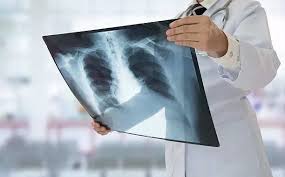
AI-Enabled Portable X-ray Units (48 units): These handheld and mobile digital devices allow radiographers to perform imaging directly at the point of care—whether in emergency departments, remote outreach camps, or intensive care units. The integrated AI software acts as a preliminary screening layer. It automatically analyzes the digital X-ray image within seconds, flagging critical abnormalities such as lung opacities (indicative of tuberculosis or severe pneumonia), bone fractures, or suspicious nodules.
-
1.5-Tesla MRI Scanners (3 units): Compared to older, lower-field MRI units, 1.5T scanners offer significantly higher-resolution imaging of soft tissues. This provides clinicians with the clear visibility needed to diagnose complex neurological conditions (like acute strokes), musculoskeletal injuries, and various oncological malignancies.
-
Digital Mammography & DR Units (3 units): These systems form the backbone of modern breast cancer screening programs, capturing high-definition images capable of detecting microcalcifications long before a lump can be physically felt.
In areas with a severe shortage of on-site radiologists, the AI software’s ability to perform automated triage is highly valuable. By instantly sorting normal scans from those showing potential pathologies, the system ensures that high-risk cases are immediately escalated to a remote radiologist for urgent interpretation.
Expert Perspectives and Operational Realities
Public health experts and radiology professionals note that while acquiring state-of-the-art hardware is a vital first step, the long-term success of the program depends heavily on systemic infrastructure.
A comprehensive 2023 scoping review published in PMC/NCBI on technology innovations in radiology highlighted that the distribution of imaging services across India remains starkly unequal. While portable imaging and teleradiology offer massive potential to bridge this gap, their clinical utility depends entirely on continuous technician training, robust internet connectivity, and rigid image quality control.
Furthermore, a February 2026 policy briefing by the Press Information Bureau (PIB) titled “Transforming Healthcare Delivery Through Artificial Intelligence” detailed similar radiology AI deployments across multiple Indian States and Union Territories. The central government briefing emphasized a crucial caveat: AI tools must be seamlessly integrated into national health programmes (such as the National Tuberculosis Elimination Programme) and backed by strict quality assurance protocols to prevent healthcare providers from over-relying on automated reads.
Public Health Implications and Practical Takeaways for Patients
From a public health standpoint, the arrival of these units could accelerate the detection timelines for highly prevalent, time-sensitive conditions. Earlier diagnosis of stroke, trauma, tuberculosis, and breast cancer fundamentally alters patient outcomes, shifting care from expensive, late-stage crisis management to timely, curable interventions.
What This Means for Residents in Tripura:
-
Shorter Wait Times: In the coming months, as installation finishes and local healthcare staff complete training, patients will see improved local access to vital imaging.
-
Understanding AI’s Role: Consumers must remember that AI flags are an assistive screening tool, not a final medical diagnosis. The automated software works alongside human doctors to catch abnormalities faster, but it does not replace a doctor’s judgment.
-
Proactive Care: When undergoing an AI-assisted scan, patients should ask their treating clinicians how the imaging will be verified by a qualified radiologist and what the exact follow-up pathway will be if an abnormality is flagged.
Limitations, Logistics, and Data Governance
Despite the promise of AI-driven healthcare, medical authorities urge a balanced perspective regarding the limitations of the technology.
First, AI algorithms are not infallible. An algorithm can underperform—leading to missed diagnoses (false negatives) or unnecessary alarms (false positives)—if the patient population or the specific imaging machines being used differ from the data on which the AI was originally trained. Therefore, local clinical validation and continuous monitoring are mandatory.
Second, the operational bottlenecks in rural deployments are rarely about the software itself; rather, they involve physical logistics. Maintaining complex machines like 1.5T MRI scanners requires a stable electrical grid, specialized cooling systems, consistent financial budgeting for maintenance contracts, and high-speed internet to facilitate teleradiology updates.
Finally, the scale of this digital rollout highlights the pressing need for robust clinical governance. As thousands of patient images are processed by automated software across Tripura’s districts, established frameworks for data privacy, algorithm transparency, and legal liability must be strictly enforced to safeguard patient information and maintain public trust.
Medical Disclaimer
Medical Disclaimer: This article is for informational purposes only and should not be considered medical advice. Always consult with qualified healthcare professionals before making any health-related decisions or changes to your treatment plan. The information presented here is based on current research and expert opinions, which may evolve as new evidence emerges.
References
-
“Centre-Tripura Sign MoU: To Get 48 AI X‑Ray Machines, Advanced MRI & Mammography Units,” Northeast Today, 29 June 2026.