 1
1
 0
0
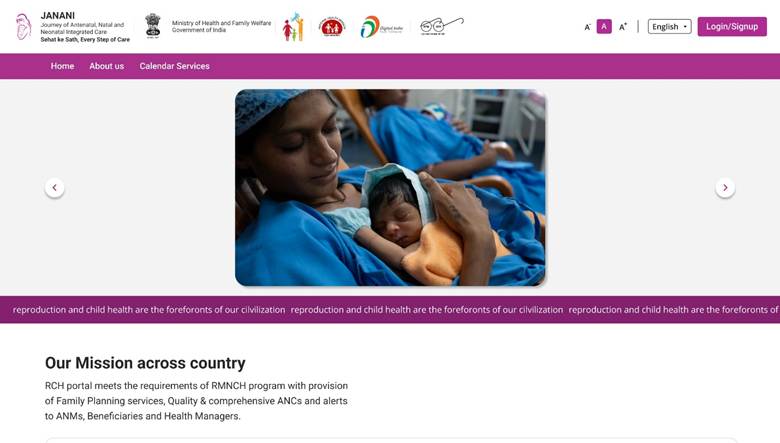
NEW DELHI — In a landmark move to modernize the continuum of care for millions of women and infants, the Union Ministry of Health and Family Welfare has officially launched JANANI (Journey of Antenatal, Natal, and Neonatal Integrated Care). Unveiled at the National Summit on Innovation and Inclusivity, this service-oriented digital platform represents a structural shift in how India tracks, monitors, and delivers life-saving maternal and child health (MCH) services.
By upgrading the existing Reproductive and Child Health (RCH) portal into a sophisticated, longitudinal tracking system, JANANI aims to bridge the “information gaps” that often lead to missed immunizations or delayed interventions in high-risk pregnancies.
From Fragmented Data to Longitudinal Care
For decades, healthcare providers have struggled with fragmented paper records and siloed digital systems. A woman might receive antenatal care in one village but deliver her baby in a city, often losing her medical history in transit. JANANI is designed to solve this through the creation of a longitudinal health record.
Unlike traditional databases that capture isolated events, JANANI tracks a woman throughout her entire reproductive age. The platform records every critical milestone:
-
Antenatal Care (ANC): Regular check-ups and nutritional tracking.
-
Delivery Preparedness: Identification of high-risk factors and birth planning.
-
Postnatal & Newborn Care: Monitoring the health of both mother and child after birth.
-
Immunization: Integration with platforms like U-WIN to ensure timely vaccinations.
“The introduction of a continuous health record is a game-changer for public health in India,” says Dr. Arpit Sharma, a public health consultant not involved in the platform’s development. “By capturing data from the first trimester through to early childhood, we can identify patterns of risk early enough to prevent maternal and neonatal mortality.”
Key Innovations: QR Cards and Real-Time Alerts
One of the platform’s most practical features for the general public is the QR-enabled digital Mother and Child Health (MCH) Card. These digital cards allow for instant portability; a beneficiary can walk into any empanelled facility across India, and a healthcare provider can scan the code to view her entire medical history.
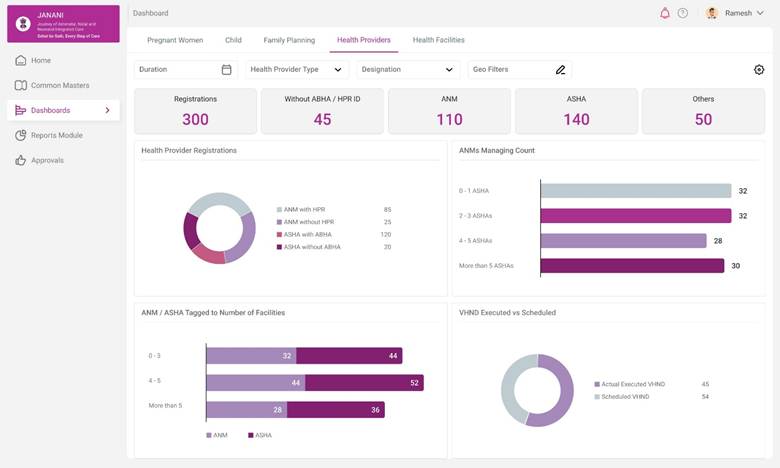
Furthermore, JANANI utilizes automated alerts to flag high-risk pregnancies. If a woman’s recorded vitals—such as blood pressure or hemoglobin levels—fall outside the healthy range, the system generates a notification for local health workers. This ensures that “due lists” for follow-up visits are generated automatically, moving the burden of tracking from the patient to the system.
Traction by the Numbers
The platform’s rollout has already shown significant scale:
-
1.34 Crore: Total beneficiary registrations.
-
30 Lakh+: Pregnant women currently registered.
-
30 Lakh+: Digital MCH cards generated.
-
1 Lakh+: Biometric verifications completed to ensure data integrity.
Interoperability and the Migrant Population
A persistent challenge in Indian healthcare is the “migratory gap.” When families move for seasonal work, they often fall off the healthcare grid. JANANI addresses this through Pan-India search functionality and integration with unique identifiers, including the Ayushman Bharat Health Account (ABHA) and mobile-based OTP/biometric verification.
By integrating with national platforms like POSHAN (for nutrition) and U-WIN (for vaccination), JANANI ensures that data flows seamlessly between different government departments. This inter-sectoral convergence means that a child’s nutritional status in an Anganwadi center can be viewed alongside their clinical immunization record.
Empowering the Beneficiary
Beyond being a tool for administrators, JANANI offers a self-registration facility through web and mobile interfaces. This empowers women to take charge of their own healthcare journey, providing them with:
-
Reminders: Alerts for upcoming ANC visits and vaccinations.
-
Facility Locators: Information on the nearest healthcare centers and expected places of delivery.
-
Educational Resources: Guidance on maternal nutrition and newborn hygiene.
Public Health Implications and Expert Perspectives
The ultimate goal of JANANI is the reduction of the Maternal Mortality Ratio (MMR) and the Infant Mortality Rate (IMR). According to the World Health Organization (WHO), many maternal deaths are preventable if complications are identified and managed in a timely manner.
However, experts caution that digital tools are only as effective as the physical infrastructure supporting them. “JANANI provides the data, but the ‘last mile’ still depends on the availability of skilled birth attendants and emergency obstetric care,” notes Dr. Sunita Iyer, an obstetrician with experience in rural health initiatives. “The digital dashboard is a map, but we still need the roads and the vehicles—in this case, clinics and doctors—to reach the destination of zero preventable deaths.”
Potential Challenges
While the platform is robust, several factors will determine its long-term success:
-
Digital Literacy: Ensuring that women in rural areas can navigate self-registration or understand digital alerts.
-
Data Privacy: As JANANI handles sensitive reproductive health data, the Ministry emphasizes high-level encryption and secure authentication to protect beneficiary privacy.
-
Connectivity: Maintaining real-time dashboard updates in areas with inconsistent internet access.
Conclusion: A Structural Reform
The launch of JANANI marks a transition from reactive healthcare to a proactive, data-driven model. By integrating digital authentication with real-time monitoring, the Ministry of Health is building a safety net that follows a mother and child wherever they go. For the health-conscious consumer, it means a more organized, transparent, and accessible healthcare experience. For the professional, it provides the clinical insights necessary to save lives.
Medical Disclaimer
Medical Disclaimer: This article is for informational purposes only and should not be considered medical advice. Always consult with qualified healthcare professionals before making any health-related decisions or changes to your treatment plan. The information presented here is based on current research and expert opinions, which may evolve as new evidence emerges.
References
Official Sources:
-
Press Information Bureau (PIB) Delhi: “Union Health Ministry Launches JANANI Platform to Strengthen Maternal and Child Healthcare.” Posted 07 May 2026.