 0
0
 0
0
NEW DELHI — Indian health authorities have screened nearly 11,000 international arrivals from Ebola-affected regions without detecting a single case of the virus, Union Health Minister J.P. Nadda informed Parliament. The heightened border surveillance follows the World Health Organization’s (WHO) decision to declare the ongoing outbreak in Central Africa a Public Health Emergency of International Concern (PHEIC). Triggered by confirmed cases in the Democratic Republic of the Congo (DRC) and imported infections in neighboring Uganda, India’s proactive measures reflect standard international containment strategies designed to prevent imported infections from establishing local chains of transmission.
High-Volume Screening Across Major Transit Hubs
Between May 23 and late July, frontline health personnel evaluated 10,974 passengers arriving at designated international entry points. Officials targeted travellers arriving directly or transiting from affected countries, including the DRC, Uganda, and South Sudan.
Chhatrapati Shivaji Maharaj International Airport in Mumbai processed the largest proportion of screened passengers—accounting for 7,568 travellers—followed by major hubs in Delhi (1,833), Hyderabad (532), Chennai (210), Bengaluru (205), and Ahmedabad (200). State-level data indicates that Gujarat recorded the highest number of monitored residents returning from these regions, followed closely by Maharashtra, Uttar Pradesh, Tamil Nadu, Telangana, and Kerala.
                 Screened Passengers by Airport Hub

  Mumbai (BOM)    ███████████████████████████████████████ 7,568
  Delhi (DEL)     █████████ 1,833
  Hyderabad (HYD) █ 532
  Chennai (MAA)   ▌ 210
  Bengaluru (BLR) ▌ 205
  Ahmedabad (AMD) ▌ 200
Arrivals undergo thermal imaging checks, clinical symptom evaluations, and health verification through mandatory Self-Declaration Forms on the Air Suvidha 2.0 digital portal. Passengers submit detailed itineraries and contact details covering the preceding 21 days—the maximum known incubation period for the virus—enabling health authorities to conduct contact tracing if symptoms manifest post-arrival.
Understanding the Virus: The Bundibugyo Strain Challenge
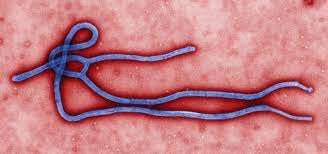
The current international alert focuses specifically on Bundibugyo virus disease, one of six species within the Orthoebolavirus genus. While reported less frequently than the Zaire strain, Bundibugyo Ebola remains a severe viral illness with significant fatality rates.
Public health experts emphasize that the mechanics of Ebola transmission differ fundamentally from airborne respiratory pathogens such as influenza or SARS-CoV-2. Ebola does not spread through casual air exposure. Instead, transmission requires direct physical contact with infected blood, bodily fluids (such as saliva, sweat, vomit, or urine), or surfaces contaminated with these fluids. Crucially, individuals living with an Ebola infection are not contagious during the incubation period and can only transmit the virus after clinical symptoms develop.
| Feature | Bundibugyo Ebola Virus | Respiratory Viruses (e.g., COVID-19, Flu) |
| Primary Transmission Mode | Direct contact with infected bodily fluids | Airborne droplets and aerosols |
| Asymptomatic Transmission | No (contagious only after symptoms appear) | Yes (can spread before symptoms appear) |
| Incubation Period | 2 to 21 days | 1 to 14 days |
| Available Treatments | Supportive care only (no approved vaccine/treatment) | Antivirals and licensed vaccines available |
Unlike outbreaks caused by the Zaire strain, for which approved vaccines and monoclonal antibody therapies exist, no licensed vaccine or specific antiviral treatment is currently available for the Bundibugyo strain. Consequently, early case identification, rapid isolation, rigorous supportive care, and strict infection prevention and control (IPC) protocols represent the primary defenses for halting spread.
Multi-Agency Preparedness Framework
In his report to Parliament, Health Minister Nadda outlined a coordinated response involving the National Centre for Disease Control (NCDC), the Indian Council of Medical Research (ICMR), the Directorate General of Health Services (DGHS), and the Ministry of Civil Aviation.
The Union Health Ministry has distributed Standard Operating Procedures (SOPs) covering screening protocols, quarantine management, diagnostic testing, and clinical safety. Diagnostic testing capacity has been consolidated through specialized laboratories, including the ICMR-National Institute of Virology (NIV) in Pune. Cold-chain logistics and biosafety protocols have been established to transport suspected clinical samples securely without risking exposure to handlers.
Nationwide mock drills and the activation of the NCDC Public Health Emergency Operations Centre ensure that designated isolation facilities across states can isolate any person exhibiting symptoms without disrupting standard hospital operations.
Public Health Context and Expert Insights
Epidemiologists view India’s proactive measures as an essential containment strategy. Because high-density urban areas present risk factors for any infectious disease, entry screening helps prevent primary imported cases from seeding local clusters.
“Point-of-entry surveillance serves as an effective filter, but its real power lies in downstream integration,” explains Dr. Ananya Sharma, an independent public health specialist not involved in the government response. “Because Ebola spreads through direct contact rather than casual air exposure, isolating symptomatic individuals immediately breaks the transmission chain before community exposure occurs.”
Global epidemiological data indicates that while active transmission continues in localized rural sectors of the DRC, coordinated containment efforts in Uganda have stabilized local numbers. The World Health Organization maintains that while the public health risk remains high within affected Central African communities, the global risk to non-affected nations remains low.
Limitations of Airport Screening
While airport checks reduce importation risks, public health experts caution against viewing point-of-entry screening as a standalone solution.
Because infected individuals do not exhibit symptoms or shed virus during early incubation, a traveller exposed abroad could pass thermal scanners without detection if they arrive on day five of a 21-day incubation period. To address this gap, health authorities pair airport checks with a compulsory 21-day post-arrival monitoring program. State Integrated Disease Surveillance Programme (IDSP) units conduct routine follow-ups with returning travellers to track their health status throughout the incubation window.
Practical Guidance for Travellers and the General Public
For the general public in India, health officials stress that there is no cause for panic. The risk of contracting Ebola in everyday public settings without direct exposure to an infected person’s bodily fluids is negligible.
For individuals who have travelled to or transited through affected areas in Central Africa within the past 21 days:
-
Monitor Health Daily: Check body temperature regularly and watch for symptoms such as sudden fever, muscle pain, severe headache, sore throat, vomiting, diarrhea, or unexplained bleeding.
-
Isolate and Call Ahead: If symptoms develop, restrict outdoor movement immediately. Contact local public health helplines or medical facilities before visiting in person, informing healthcare providers of your travel history so they can prepare appropriate isolation protocols.
-
Rely on Verified Information: Follow official health advisories from the Ministry of Health and Family Welfare or WHO, avoiding unverified rumors on social media.
References
- https://health.economictimes.indiatimes.com/news/industry/india-screens-nearly-11000-travellers-after-ebola-emergency-no-case-detected/132821606?utm_source=latest_news&utm_medium=homepage
Medical Disclaimer: This article is for informational purposes only and should not be considered medical advice. Always consult with qualified healthcare professionals before making any health-related decisions or changes to your treatment plan. The information presented here is based on current research and expert opinions, which may evolve as new evidence emerges.