 0
0
 0
0
Sunday, April 5, 2026
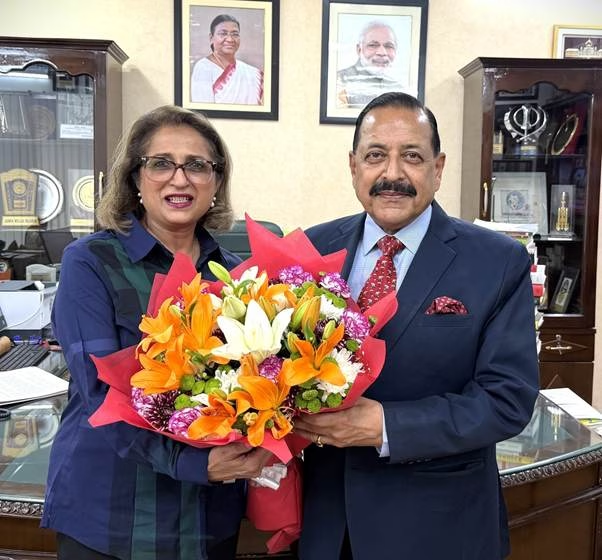
NEW DELHI — In a move to safeguard millions of patients against an evolving global pharmaceutical landscape, India is set to aggressively scale up the indigenous production of biosimilar insulin and advanced diabetes monitoring devices. The initiative gained high-level momentum this weekend following a strategic meeting between Union Minister Dr. Jitendra Singh and Dr. Niti Pall, President-elect of the International Diabetes Federation (IDF).
The discussion, held on April 4, 2026, highlighted a growing concern in global healthcare: the potential for an “insulin gap” as multinational pharmaceutical giants pivot their manufacturing focus toward high-margin weight-loss and diabetes drugs, such as GLP-1 receptor agonists (e.g., semaglutide). Dr. Singh, a renowned endocrinologist himself, asserted that India is uniquely positioned to fill this void, transforming from a “pharmacy of the world” for vaccines into a global hub for affordable diabetes management.
The Looming “Insulin Gap”
As global pharmaceutical trends shift toward newer therapies, the availability of traditional insulin—the literal lifeline for Type 1 and many Type 2 diabetes patients—faces unprecedented risks. Dr. Niti Pall flagged that insulin production remains concentrated in the hands of a few global entities, leaving supply chains vulnerable.
“Many countries across Asia and Africa are looking to India for affordable diabetes care solutions,” Dr. Pall noted during the meeting. “The rising cost of insulin in many regions continues to limit access, making the need for alternative, low-cost manufacturing hubs more critical than ever.”
The pivot toward GLP-1 drugs, while revolutionary for obesity and Type 2 management, has sparked fears that the manufacturing of “basal” or “bolus” insulin might be deprioritized by Western firms. For the 101 million people living with diabetes in India, and the hundreds of millions more globally, any disruption in insulin supply or price hikes could be catastrophic.
Biosimilars: The Affordable Alternative
To counter these supply concerns, the Indian government is doubling down on biosimilars.
What are Biosimilars?
Unlike generic versions of simple chemical drugs (like aspirin), insulin is a complex biological molecule grown in living cells. A biosimilar is a highly similar version of an already approved biological product. They are designed to provide the same safety and efficacy but at a fraction of the price.
-
Current Global Market: The global biosimilar insulin market is projected to grow from $2.3 billion in 2026 to $6.0 billion by 2033.
-
India’s Role: India’s biosimilar sector is expected to see a compound annual growth rate (CAGR) of over 21% through 2033, with insulin being the fastest-growing segment.
Dr. Singh revealed that the Department of Biotechnology (DBT) is already providing targeted support to Indian firms to expand their production capacity. “Augmenting insulin availability is both a national requirement, given our high diabetes burden, and a global responsibility,” he stated.
Beyond Injections: The Tech Race
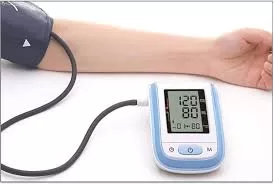
The collaboration also addressed the “digital divide” in diabetes care. Currently, Western-made Continuous Glucose Monitors (CGMs) and insulin pumps remain prohibitively expensive for the average Indian patient.
Dr. Pall cautioned that manufacturers from China are already capturing significant market share by offering low-cost devices with major price advantages. However, Dr. Singh remained optimistic about domestic innovation, noting that Indian companies possess the technological expertise to develop indigenous CGMs that could disrupt the market.
Comparison of Diabetes Care Accessibility
| Technology | Current Status in India | Proposed Indigenous Goal |
| Insulin | Dependent on a few global suppliers | Diverse, domestic biosimilar production |
| CGMs | High-cost imports (Western/Chinese) | Affordable, locally manufactured sensors |
| Supply Chain | Vulnerable to global market shifts | Resilient, “Atmanirbhar” (Self-reliant) base |
Public Health Implications
The shift toward indigenous manufacturing isn’t just about economics; it’s about equitable access. According to recent data from the Madras Diabetes Research Foundation, India is often referred to as the “diabetes capital of the world.”
For a patient with Type 1 diabetes, insulin is not optional—it is as essential as water. If India can successfully scale biosimilar production, it could reduce the annual treatment cost for patients significantly. Currently, branded insulin analogues can cost a patient upwards of several thousand rupees monthly; biosimilars could potentially cut these costs by 30% to 50%.
Challenges and Limitations
Despite the optimism, significant hurdles remain.
-
Regulatory Rigor: Biosimilars must undergo exhaustive analytical and clinical testing to prove they match the original drug. The Central Drugs Standard Control Organisation (CDSCO) must balance speed with safety.
-
Infrastructure: Biomanufacturing requires sophisticated “cold chain” logistics and high-tech fermentation facilities that are expensive to build and maintain.
-
Market Competition: While Indian firms like Biocon and Wockhardt are leaders, they face stiff competition from global giants who may lower prices to maintain market dominance.
The Road Ahead
A high-level stakeholder meeting has been proposed for July 2026 to bring together researchers, industry leaders, and international partners. The goal is to create a roadmap for financing models and clinical trials that can fast-track “Made in India” diabetes solutions to the global market.
For the health-conscious consumer, this signals a future where managing diabetes is less of a financial burden. For the healthcare professional, it promises a more stable supply of the most essential tool in their arsenal.
Medical Disclaimer: This article is for informational purposes only and should not be considered medical advice. Always consult with qualified healthcare professionals before making any health-related decisions or changes to your treatment plan. The information presented here is based on current research and expert opinions, which may evolve as new evidence emerges.
References
- https://www.pib.gov.in/PressReleaseDetail.aspx?PRID=2248967®=3&lang=1