 0
0
 0
0
NEW DELHI — In a landmark development for public health in South Asia, India is poised to authorize its first highly versatile dengue vaccine. In late March 2026, the Subject Expert Committee (SEC) of the Central Drugs Standard Control Organisation (CDSCO) provided a positive recommendation for the import and marketing of Takeda’s Qdenga (TAK-003). The decision targets individuals aged 4 to 60, offering a potent new tool to combat a mosquito-borne virus that has transitioned from a seasonal threat to a year-round hyperendemic crisis across the subcontinent.
The recommendation comes at a critical juncture. Despite decades of vector control efforts, India continues to struggle with the co-circulation of all four dengue virus serotypes (DENV-1 to 4). With final clearances expected imminently, health officials and medical experts anticipate that a national rollout could begin by the second half of 2026, potentially transforming the country’s epidemiological landscape.
A Nation Under Siege: The Escalating Dengue Burden
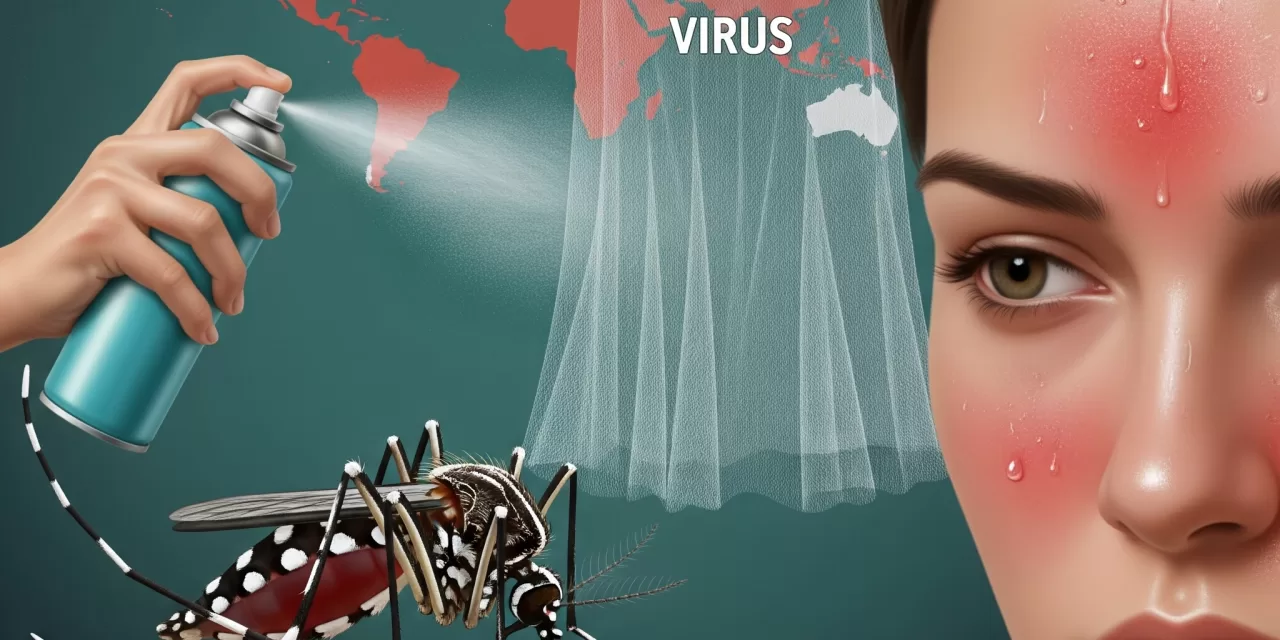
Dengue fever, often called “breakbone fever” due to the intense joint and muscle pain it causes, is transmitted primarily by the Aedes aegypti and Aedes albopictus mosquitoes. In India, the surge in cases is no longer just a byproduct of the monsoon; it is fueled by rapid, unplanned urbanization and shifting climate patterns that allow mosquitoes to thrive in previously unaffected regions.
The statistics tell a sobering story of a growing public health strain:
-
2023: A peak of 280,000 reported cases and 485 deaths.
-
2024: 230,000 cases and 297 deaths.
-
2025 (Mid-year): Over 13,000 cases and 19 deaths, with Kerala and Tamil Nadu bearing the brunt of early outbreaks.
-
A Decade of Growth: Between 2014 and 2023, India saw a 39.4% rise in dengue cases.
“Dengue remains hyperendemic in India, with all four virus serotypes circulating and causing recurring outbreaks,” notes Dr. Rashmi Khadapkar, General Manager of Research and Development at Agilus Diagnostics. “Without a vaccine, we have been forced to rely almost entirely on vector management—methods that frequently fall short during heavy rains or in densely populated urban centers.”
Introducing Qdenga: The Tetravalent Breakthrough
Developed by the Japanese pharmaceutical giant Takeda over 14 years, Qdenga is a live-attenuated tetravalent vaccine. Its unique architecture uses the DENV-2 virus as a genetic “backbone,” engineered to induce an immune response against all four serotypes.
Crucially, Qdenga addresses the primary limitation of earlier vaccines like Sanofi’s Dengvaxia. While the latter required pre-vaccination screening to ensure a person had been previously infected (to avoid the risk of severe disease upon subsequent exposure, a phenomenon known as antibody-dependent enhancement), Qdenga has been cleared for use regardless of a person’s prior dengue history.
Key Features of the Vaccine:
-
Dosage: Two doses administered three months apart.
-
Age Group: Recommended for children and adults aged 4 to 60.
-
Local Production: Takeda has partnered with Hyderabad-based Biological E for local manufacturing, aiming to produce 100 million doses annually to meet domestic and global demand.
The World Health Organization (WHO) prequalified the vaccine in May 2024 for children aged 6 and older, and it is already approved in more than 40 countries, including Indonesia, Brazil, and several European nations.
Clinical Evidence: Protection That Lasts
The approval recommendation is backed by the massive TIDES (Tetravalent Immunization against Dengue Efficacy Study) trial. This Phase 3 trial involved over 20,000 children and adolescents across Asia and Latin America.
The data reveals a significant impact on disease severity:
-
Early Efficacy: 80.2% effective against virologically confirmed dengue (VCD) at 12 months post-second dose.
-
Long-term Protection: While efficacy against mild infection dipped to 61.2% after 4.5 years, the vaccine maintained a staggering 84.1% protection against hospitalization.
-
Extended Safety: Seven-year follow-up data confirms no new safety signals, with a booster dose potentially raising efficacy back to 74.3%.
Real-world evidence from Brazil’s 2024 outbreak further validated these findings, showing a sharp reduction in hospital admissions among vaccinated adolescents. In India, local Phase 3 bridging trials confirmed that the vaccine is safe and generates a strong immune response in the Indian population.
“Clinical data have shown strong protection, particularly against severe dengue outcomes,” says Dr. Khadapkar. Common side effects reported are typical of most vaccinations, including mild fever, headache, and pain at the injection site.
Expert Perspectives: A Timely Intervention
Healthcare leaders across India have hailed the SEC’s recommendation as a milestone. Dr. Neha Rastogi, Senior Consultant in Infectious Diseases at Fortis Memorial Research Institute, Gurugram, emphasizes the vaccine’s versatility.
“The vaccine has been specifically designed to be effective even in people who have had a dengue infection previously. It is suitable for individuals regardless of prior dengue infection, making it much easier to implement in a country like ours where many may not know their previous exposure status,” Dr. Rastogi explains.
Dr. Shahid Jameel, a renowned virologist at Green Templeton College, Oxford, echoes this urgency. “India needs a dengue vaccine quickly as outbreaks have become almost an annual feature with high morbidity. It will significantly reduce severe disease outcomes and the subsequent pressure on our healthcare infrastructure.”
Rollout Roadmap: Who Gets It First?
The Indian Council of Medical Research (ICMR) and the Ministry of Health and Family Welfare (MoHFW) are expected to draft the final guidelines for the rollout. Initial supplies are likely to be prioritized for:
-
Children and Adolescents: Due to the higher risk of severe complications in younger populations.
-
High-Burden States: Regions like Tamil Nadu, Karnataka, and Maharashtra.
-
High-Risk Groups: Outdoor workers, urban dwellers in endemic “hotspots,” and travelers.
Takeda’s Dr. Sandeep Arora noted that the extensive trial data, encompassing over 28,000 subjects, provides a robust foundation for this mass immunization effort.
Limitations and the “Multi-Layered” Defense
Despite the optimism, experts caution that a vaccine is not a “silver bullet.” No vaccine offers 100% protection, and Qdenga’s efficacy has shown some variation across different serotypes, particularly showing slightly lower long-term protection against DENV-3.
“Medical experts caution that while the vaccine is promising, it is not a standalone solution,” says Dr. Rastogi. “Preventive measures—such as eliminating stagnant water where mosquitoes breed and using personal protection—will still play a crucial role.”
Furthermore, while Qdenga leads the charge, other indigenous candidates like the single-dose DengiAll are still in development, suggesting that India’s long-term strategy may eventually involve a suite of different vaccines.
The Path Forward
The introduction of Qdenga could mark the beginning of the end for the devastating seasonal surges that paralyze Indian cities. By drastically reducing the number of patients requiring intensive care and blood transfusions, the vaccine could save thousands of lives and prevent the economic shock many families face during outbreaks.
For the general public, the advice remains twofold: stay informed about the upcoming vaccination schedule through your local healthcare provider, and continue the diligent practice of “source reduction” around your home.
“If implemented effectively alongside existing prevention strategies, it has the potential to reduce the burden of dengue and save countless lives,” concludes Dr. Rastogi.
Medical Disclaimer
Medical Disclaimer: This article is for informational purposes only and should not be considered medical advice. Always consult with qualified healthcare professionals before making any health-related decisions or changes to your treatment plan. The information presented here is based on current research and expert opinions, which may evolve as new evidence emerges.
References
- https://www.ndtv.com/health/india-set-to-get-dengue-vaccine-qdenga-soon-doctors-explain-what-to-expect-11300865