 0
0
 0
0
NEW DELHI — India’s apex drug regulatory body has launched a massive nationwide enforcement drive to curb the unauthorized sale and “cosmetic” misuse of GLP-1 receptor agonists, the blockbuster class of medications originally designed for diabetes that has recently exploded in popularity as a weight-loss miracle.
In a move announced in late March 2026, the Central Drugs Standard Control Organization (CDSCO) and the Ministry of Health and Family Welfare intensified surveillance across 49 entities, including retail pharmacies, online platforms, wholesalers, and “wellness” clinics. The crackdown comes in response to a surge in misleading promotions and the unsupervised use of these potent injectable and oral medicines, which regulators warn pose significant public health risks when used without strict medical oversight.
The Weight-Loss Boom and the Regulatory Rebound
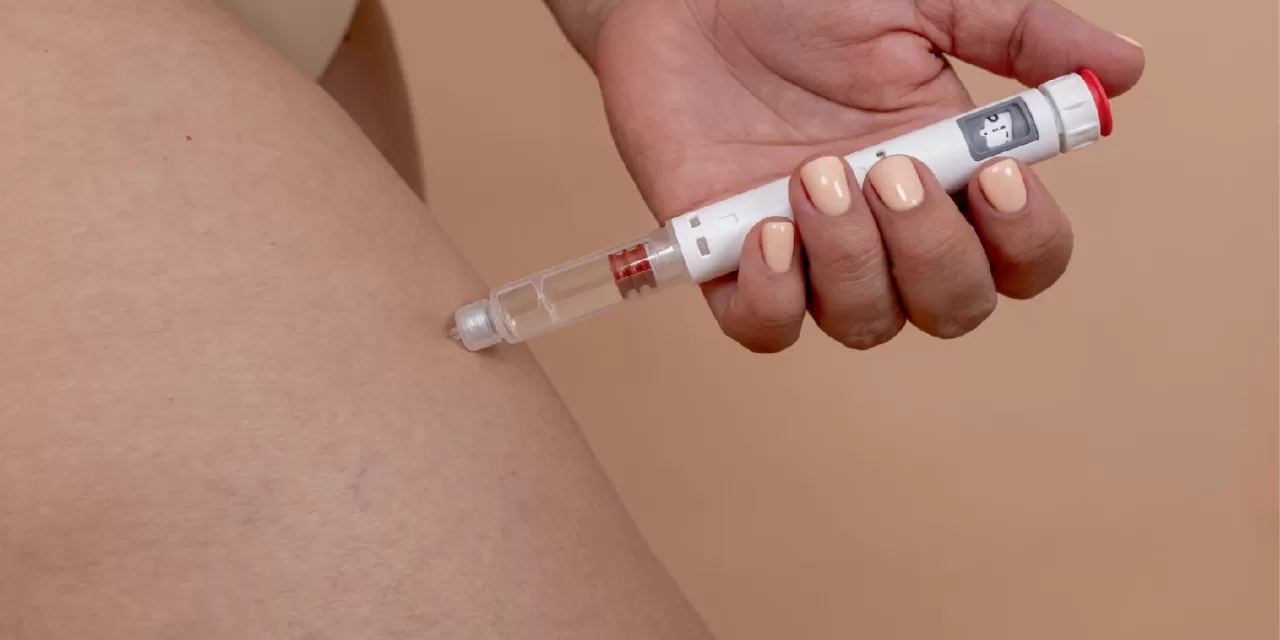
GLP-1 (glucagon-like peptide-1) receptor agonists, such as semaglutide, have revolutionized the treatment of Type 2 diabetes and obesity. By mimicking a natural gut hormone, these drugs stimulate insulin production, slow digestion, and signal the brain to feel full. However, their efficacy has triggered a global frenzy, fueled largely by social media “biohacking” trends and celebrity endorsements.
In India, the situation has reached a critical juncture. As multiple generic versions of these medications have entered the domestic market, accessibility has increased, but so has the potential for misuse.
“The objective is not to restrict access for patients who genuinely need these therapies, but to dismantle the growing gray market,” a Ministry of Health official stated during the announcement. Authorities have issued stern warnings against “surrogate advertising”—indirect marketing tactics used by manufacturers and clinics to bypass laws prohibiting the public promotion of prescription-only drugs. Violators now face the cancellation of licenses, heavy penalties, and criminal prosecution.
The Clinical Reality: Why Supervision Matters
While the weight-loss results associated with GLP-1 drugs can be impressive, medical experts emphasize that they are not “lifestyle supplements.” A 2024 systematic review published in eClinicalMedicine confirmed that while these agents produce meaningful weight reduction, the rise in off-label prescribing for “cosmetic” purposes—individuals seeking to lose minimal weight despite not meeting clinical criteria for obesity—is a growing concern.
The Biological “Price Tag”
Every medication carries a side-effect profile, and GLP-1s are no exception. According to a 2026 state-of-the-art narrative review in PubMed, common side effects include:
-
Nausea and persistent vomiting
-
Diarrhea or severe constipation
-
Abdominal pain and reduced appetite
However, more severe complications, though rarer, have prompted the Indian government’s heightened vigilance. These include gastroparesis (stomach paralysis), acute kidney injury, gallbladder disease, and pancreatitis.
“People often hear about the impressive weight-loss effects and assume the medicines are safe for everyone,” explains Dr. Anirban Ghosh (name changed for privacy), a senior endocrinologist at a premier New Delhi hospital who is not affiliated with the regulatory action. “That is not true. These are powerful prescription drugs, and the benefit-risk balance depends entirely on a patient’s specific medical history and rigorous follow-up.”
Unsupervised Use: A Recipe for Complications
The danger often lies less in the drug itself and more in the lack of screening. A gastroenterologist specializing in drug-induced digestive disorders noted that patients obtaining these drugs through “slimming clinics” or online vendors often skip the necessary baseline tests for kidney function or pancreatic health.
“When a prescription drug becomes a social-media trend, patients may skip screening, ignore warning signs, or combine products without proper advice,” the doctor said. “That is where preventable harm starts.”
Furthermore, a study published in the JAMA Network (2023) highlighted an increased risk of bowel obstruction and pancreatitis among users taking GLP-1s specifically for weight loss compared to other anti-obesity medications. While researchers note that these observational studies show an association rather than a definitive cause-and-effect, the signal is strong enough to warrant professional caution.
Global Context and Public Health Implications
India is not alone in this fight. The European Medicines Agency (EMA) has repeatedly warned that GLP-1 drugs are not approved for cosmetic weight loss in individuals without obesity or weight-related health issues. Moreover, the World Health Organization (WHO) has expressed concern that the “lifestyle” demand for these drugs has triggered global shortages, occasionally depriving Type 2 diabetes patients of their life-saving medication.
The Indian health ministry’s crackdown serves a dual purpose: ensuring the supply chain remains ethical and protecting the public from counterfeit or unapproved imports that often flood the market during high-demand cycles.
What This Means for Consumers
For the health-conscious individual, the takeaway is clear:
-
Avoid Online “Shortcuts”: Purchasing these drugs from unauthorized online platforms or without a valid prescription from a licensed physician is dangerous.
-
Screening is Mandatory: A doctor must evaluate your heart, kidney, and pancreatic health before starting treatment.
-
Comprehensive Care: These drugs are meant to be an adjunct to—not a replacement for—nutrition and physical activity.
Looking Ahead: The Balance of Innovation and Safety
The debate surrounding GLP-1 drugs is not about their efficacy—their ability to lower blood sugar and reduce weight is well-documented. Instead, the focus has shifted to whether the health infrastructure can keep pace with the demand.
As the CDSCO continues its inspections, the pharmaceutical industry in India is under pressure to ensure that marketing remains within ethical boundaries. For now, the “watchful eye” of the regulator serves as a reminder that in the world of medicine, there are no shortcuts to health that bypass professional expertise.
If you are currently using a GLP-1 medication and experience severe abdominal pain, persistent vomiting, or signs of dehydration, seek medical attention immediately. Do not discontinue the medication abruptly without a clinical consultation, as this can lead to spikes in blood sugar levels for those with diabetes.
Reference Section
https://www.indiatribune.com/india-tightens-watch-on-glp-1-drugs-amid-safety-and-misuse-concerns
Medical Disclaimer: This article is for informational purposes only and should not be considered medical advice. Always consult with qualified healthcare professionals before making any health-related decisions or changes to your treatment plan. The information presented here is based on current research and expert opinions, which may evolve as new evidence emerges.