 0
0
 0
0
NEW DELHI — In a major breakthrough for public health, the Drug Controller General of India (DCGI) granted market authorization on July 20, 2026, to Takeda Biopharmaceuticals’ Qdenga (TAK-003). The decision marks the formal approval of India’s first-ever dengue vaccine, offering a novel tool to protect populations aged 4 to 60 years against a mosquito-borne illness that causes seasonal spikes in hospitalizations and severe complications across the country.
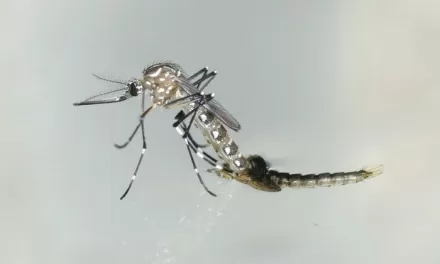
The approval comes at a critical time. Official estimates indicate that reported dengue cases in India have surged nearly 11-fold over the past two decades, with the nation bearing approximately one-third of the global dengue burden. While the vaccine provides a significant defensive layer, public health leaders emphasize that vaccination is intended to complement—not replace—existing mosquito control, early diagnosis, and disease surveillance strategies.
What the Regulatory Approval Means
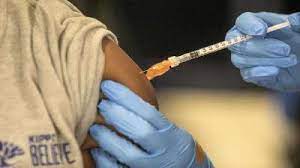
Qdenga is a tetravalent, live-attenuated vaccine engineered to generate an immune response against all four dengue virus serotypes (DENV-1, DENV-2, DENV-3, and DENV-4). The regimen consists of two subcutaneous injections administered three months apart.
A key advantage of Qdenga over earlier generation dengue vaccines is its clinical flexibility. Unlike predecessor vaccines that required pre-vaccination blood testing to confirm past exposure, Qdenga can be safely administered regardless of whether an individual has previously been infected with dengue.
“India carries a substantial dengue burden, and all four dengue virus serotypes have been documented as co-circulating in several regions,” stated Dr. Goh Choo Beng, Medical Affairs Head for the Southeast Asia & India Cluster at Takeda, in a press statement regarding the regulatory decision. “Qdenga is designed to protect against all four serotypes, regardless of prior exposure. Its approval represents an important step in strengthening India’s comprehensive approach to dengue prevention.”
The Clinical Evidence Behind TAK-003
The DCGI’s regulatory decision was informed by Takeda’s global clinical development program, which evaluated over 28,000 participants across 19 clinical trials. Supporting local safety and immunogenicity data were also gathered from a Phase 3 study (DEN-302) conducted directly in Indian participants aged 4 to 60 years.
Data from the pivotal Phase 3 Tetravalent Immunization against Dengue Efficacy Study (TIDES), conducted across eight dengue-endemic countries, established several core benchmarks:
| Clinical Outcome Benchmark | Trial Results & Efficacy Metrics |
| Overall Efficacy (12 Months) | 80.2% protection against virologically confirmed dengue one year after the second dose. |
| Hospitalization Reduction (18 Months) | 90.4% efficacy in preventing dengue-related hospitalizations. |
| Long-Term Protection (4.5 Years) | 84.1% sustained efficacy against dengue-related hospitalizations. |
| Extended Follow-Up (7 Years) | Sustained safety and overall protection demonstrated across all four virus strains. |
The vaccine uses a weakened DENV-2 virus as its genetic backbone, with molecular components of DENV-1, DENV-3, and DENV-4 engineered into the structure.
Expert Perspectives and Public Health Strategy
The World Health Organization (WHO) recommends the use of TAK-003 in settings with high dengue transmission intensity. However, global health guidance remains nuanced regarding specific age demographics and regional deployment.
WHO guidelines specifically recommend TAK-003 for children aged 6 to 16 years in high-transmission areas, noting that clinical efficacy appears lower in children under 6 years old. Furthermore, WHO advises that while the vaccine generates robust protection against DENV-1 and DENV-2, efficacy and risk profiles for DENV-3 and DENV-4 in individuals who have never had a prior dengue infection (seronegative individuals) require continued evaluation during real-world rollouts.
Independent public health analysts note that India’s diverse climate and geography mean dengue transmission levels vary significantly between regions. Consequently, health authorities are likely to consider targeted vaccination programs in high-endemic urban hotspots rather than a uniform, single-tier deployment strategy.
Expected to become accessible through private healthcare channels initially, wider availability will be supported by Takeda’s manufacturing partnership with Hyderabad-based Biological E to produce up to 50 million doses annually.
Real-World Limitations and Safety Considerations
While the approval represents progress, medical experts emphasize clear limitations and safety guidelines:
-
Contraindications: The live-attenuated vaccine is not recommended for individuals who are pregnant, breastfeeding, or immunocompromised (including those receiving immunosuppressive therapies or individuals with advanced HIV infection).
-
Side Effect Profile: In clinical trials, common adverse events were transient and mild-to-moderate, including brief injection-site pain, redness, low-grade headache, muscle aches, and general fatigue lasting a few days.
-
Not Complete Immunity: The vaccine reduces the severity of illness and risk of hospitalization significantly, but it does not completely eliminate the possibility of infection.
-
Post-Marketing Requirements: As part of the CDSCO/DCGI clearance, ongoing pharmacovigilance and real-world phase 4 post-marketing safety studies will monitor performance across diverse demographics in India.
Practical Takeaways for Consumers and Clinicians
For everyday health management, the availability of a dengue vaccine adds an essential preventive tool, but personal protective measures remain critical.
       ┌────────────────────────────────────────────────────────┐
       │             DENGUE PREVENTION MATRIX                   │
       └───────────────────────────┬────────────────────────────┘
                                   │
         ┌─────────────────────────┴────────────────────────┐
         │                                                  │
┌────────┴────────┐                                ┌────────┴────────┐
│ CLINICAL LEVEL  │                                │ PERSONAL LEVEL  │
├─────────────────┤                                ├─────────────────┤
│ • Qdenga 2-Dose │                                │ • Mosquito Repellent│
│   Vaccination   │                                │ • Standing Water│
│ • Early Fever   │                                │   Elimination   │
│   Diagnostics   │                                │ • Protective    │
│ • Case Tracking │                                │   Clothing      │
└─────────────────┘                                └─────────────────┘
Guidance for the General Public
-
Maintain Vector Control: Continue using mosquito repellents, installing window screens, wearing long sleeves, and eliminating standing water sources around residential areas where Aedes mosquitoes breed.
-
Recognize Warning Signs: Seek prompt medical evaluation for sudden high fever, severe headache, eye pain, joint/muscle pain, or warning signs such as persistent vomiting, severe abdominal pain, or bleeding gums.
-
Consult Healthcare Providers: Speak with a physician to evaluate whether vaccination is appropriate based on individual health history, age, and local transmission risks.
Considerations for Clinicians
-
Verify patient age within the approved 4 to 60 years window.
-
Ensure strict adherence to the two-dose schedule at 0 and 3 months for optimal antibody response.
-
Screen for underlying immune deficiencies or pregnancy prior to administration.
References
- https://www.indiatoday.in/health/story/india-approves-first-dengue-vaccine-japanese-firms-qdenga-formula-will-protect-against-all-4-virus-sub-types-2951815-2026-07-20
Medical Disclaimer: This article is for informational purposes only and should not be considered medical advice. Always consult with qualified healthcare professionals before making any health-related decisions or changes to your treatment plan. The information presented here is based on current research and expert opinions, which may evolve as new evidence emerges.