 0
0
 0
0
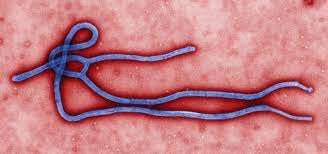
AHMEDABAD, India — Health authorities in the western state of Gujarat have placed four individuals under strict isolation following the suspected exposure of a 37-year-old businessman from the Republic of the Congo to Ebola virus disease (EVD). While blood samples have been dispatched to authorized high-containment laboratories for definitive validation, state health officials emphasized that there are absolutely no confirmed cases of Ebola within India. The development follows a sweeping federal directive to strengthen border surveillance and airport screening protocols nationwide.
Precautionary Isolation in Ahmedabad
The response protocol was triggered when a Congolese national, traveling to India on commercial bank business, was admitted to Ahmedabad Civil Hospital. The patient presented with a high fever and cold—symptoms that overlap significantly with early-stage tropical infections but warrant intense screening under current global health protocols.
The individual had arrived in Mumbai from Central Africa before traveling to Vadodara with two companions. As soon as symptoms manifested during his stay in Gujarat, local epidemiological teams moved to isolate the primary patient and trace his immediate network.
The tracking effort led to the precautionary quarantine of three additional individuals:
| Individual | Relationship to Primary Case | Current Isolation Facility |
| Congolese Businessman (37) | Primary Suspected Case | Ahmedabad Civil Hospital (Special Ebola Ward) |
| Patrick Kaja | Travel Companion | SVP Hospital, Ahmedabad |
| Valentine Zodel | Travel Companion | SVP Hospital, Ahmedabad |
| Dr. Sunil Musana | Local Business Contact | Designated State Isolation Facility |
Gujarat State Health Minister Praful Pansheriya moved quickly to reassure residents, stating that the measures represent an abundance of caution rather than an active outbreak.
“As of now, there are no confirmed Ebola cases in Gujarat or anywhere in India, so there is no need for concern,” Minister Pansheriya confirmed. He noted that the dedicated containment ward at Ahmedabad Civil Hospital features more than 30 beds equipped with specialized barrier nursing controls.
Global Context: The Central African Outbreak
The heightened vigilance in India directly mirrors growing global anxiety over an escalating outbreak in Central Africa. On May 17, 2026, the World Health Organization (WHO) declared the current situation a Public Health Emergency of International Concern (PHEIC).
Unlike previous high-profile epidemics primarily driven by the Zaire ebolavirus strain, the current wave involves the Bundibugyo strain. This distinction is critical for global health teams: while there are highly effective vaccines (such as Ervebo) and monoclonal antibody treatments optimized for the Zaire strain, there are currently no approved vaccines or targeted antiviral therapies for the Bundibugyo strain, heavily relying on supportive clinical care instead.
As of May 27, 2026, international surveillance data shows the virus gaining momentum:
-
Democratic Republic of Congo (DRC): 121 confirmed cases resulting in 17 deaths, alongside 1,077 suspected cases and 238 suspected deaths distributed across the vulnerable provinces of Ituri, North Kivu, and South Kivu.
-
Uganda: 7 confirmed cases and 1 death reported, with at least three instances directly linked to cross-border travel from neighboring DRC.
-
Containment Obstacles: Humanitarian groups note that containment operations in the Ituri Province are severely hampered by local conflict, population displacement, and community resistance toward healthcare facilities.
Understanding Ebola Transmission and Pathogenesis
Ebola virus disease is a severe, frequently fatal illness in humans. To prevent domestic panic, public health officials are actively educating the public on how the pathogen behaves, emphasizing that it does not mimic respiratory viruses like influenza or SARS-CoV-2.
-
Transmission Vectors: The virus cannot spread via the air, municipal water systems, or routine food handling. Transmission requires direct contact—via broken skin or mucous membranes—with the blood, secretions, or bodily fluids (such as saliva, sweat, vomit, feces, and semen) of an individual who is actively symptomatic, or through contact with surfaces like bedding or clothing contaminated by these fluids.
-
The Contagion Timeline: The incubation period—the time elapsed between infection and the initial onset of symptoms—ranges from 2 to 21 days, averaging between 8 and 10 days. Critically, individuals are not contagious during the incubation period; they only become capable of transmitting the virus after explicit symptoms manifest.
-
Clinical Progression: The illness usually begins with “dry” symptoms, including a sudden high fever, intense fatigue, muscle pain, headache, and a sore throat. This stage rapidly progresses to “wet” symptoms, characterized by vomiting, severe diarrhea, abdominal pain, impaired kidney and liver function, and, in some cases, internal and external bleeding.
-
Fatality Profile: Historically, the case fatality rate averages roughly 50%, but it has climbed as high as 90% in resource-limited environments lacking supportive fluid therapies.
India’s Surveillance Architecture Activated
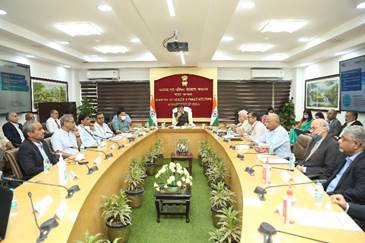
The Ministry of Health and Family Welfare in New Delhi confirmed that its multi-layered biological defense framework remains completely clear of any confirmed infection. In alignment with national protocols, Gujarat has fortified its transport hubs and clinical infrastructure:
-
Airport Screenings: Intensive health screenings targeting travelers arriving from or transiting through Uganda, Congo, and South Sudan have been implemented at Ahmedabad International Airport. Border health teams conduct targeted monitoring during peak international arrival blocks between 6:00 PM and 10:00 AM daily.
-
Hospital Scaling: In addition to the 32-bed apex facility ready at Ahmedabad Civil Hospital, Surat Civil Hospital has activated a 10-bed isolation wing, while SVP Hospital has cordoned off a separate 60-bed isolation ward.
-
Precautionary Cohorts: Aside from the four primary quarantined individuals, local health departments are currently monitoring 11 recent returnees from the African continent under standard precautionary isolation protocols. None have exhibited signs of illness.
Expert Insights and Public Health Outlook
Independent epidemiologists look at the swift isolation of the business traveler as proof that post-pandemic surveillance infrastructure is functioning optimally.
“This suspected case demonstrates India’s surveillance system is working effectively,” said Dr. Ravi Gupta, an infectious disease specialist at AIIMS Delhi, who is not involved in the Gujarat response. “The quick identification, isolation, and contact tracing are exactly what public health guidelines recommend. The fact that contacts were traced within days shows the system is highly responsive. This shouldn’t cause panic; it should give the public confidence that our safety nets are catching potential threats early.”
The U.S. Centers for Disease Control and Prevention (CDC) continuously maintains that the health risk to populations residing in countries without active, sustained transmission lines is extremely low. Because casual, non-contact interactions do not spread the virus, casual community transmission in modern urban centers remains highly improbable.
Limitations, Uncertainties, and Next Steps
Public health reporting requires acknowledging the fluid nature of these preliminary investigations:
-
Pending Clarification: Initial testing reports for the primary patient in Gujarat returned negative for Ebola. However, because viral loads can fluctuate in the earliest phases of symptomatic expression, clinicians are executing mandatory confirmatory protocols. No individuals will be discharged from quarantine until multiple, consecutive samples are cleared by central reference laboratories.
-
Data Gaps: Information surrounding the initial movements of the travel party within India remains subject to ongoing epidemiological interviews.
-
Vaccine Deficit: The lack of a verified vaccine or therapeutic monoclonal cocktail for the Bundibugyo strain means international health organizations cannot rely on ring-vaccination strategies, making meticulous physical isolation and contact tracing the primary mechanisms of defense worldwide.
For health-conscious citizens, the directive from authorities is clear: maintain routine personal hygiene, avoid sharing unverified social media reports, and ensure that anyone returning from Central Africa monitors their health daily for exactly 21 days.
Medical Disclaimer
Medical Disclaimer: This article is for informational purposes only and should not be considered medical advice. Always consult with qualified healthcare professionals before making any health-related decisions or changes to your treatment plan. The information presented here is based on current research and expert opinions, which may evolve as new evidence emerges.
References
- https://www.lokmattimes.com/national/gujarat-quarantines-four-over-suspected-ebola-exposure-samples-sent-for-testing/