 0
0
 0
0
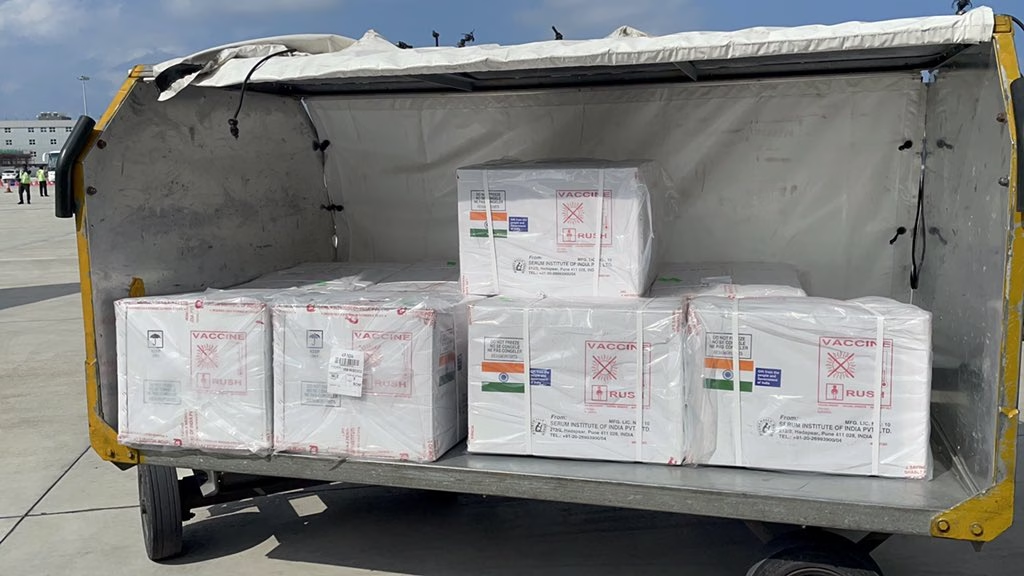
NEW DELHI — In a swift humanitarian intervention, India dispatched 20,000 doses of the Measles-Rubella (MR) vaccine along with approximately three tonnes of essential medical supplies to the Maldives on Thursday, June 11, 2026. The urgent shipment comes as the island nation battles a burgeoning measles outbreak in its urban centers. The Indian Ministry of External Affairs (MEA) confirmed the delivery, noting that the immediate assistance is aimed at strengthening the Maldives’ localized immunization coverage and fortifying its emergency public health response.
Rapid Diplomatic Health Response in Malé
The emergency medical consignment—comprising the 20,000 MR vaccine doses, specialized laboratory diagnostic supplies, personal protective equipment (PPE), and critical therapeutics—was officially handed over during a ceremony at the Maldives Ministry of Health, Family and Welfare. Indian High Commissioner to the Maldives, G. Balasubramanian, presented the donation to Maldivian Health Minister Geela Ali, who accepted the supplies on behalf of the government.
The bilateral mobilization followed a critical update from the Maldives’ Health Protection Agency (HPA). The agency revealed that four new measles cases were detected in the densely populated Greater Malé area, elevating the country’s total confirmed cases to 15.
In response to the spike, the HPA has instituted strict public health protocols, urging citizens to wear masks in public spaces, practice respiratory hygiene, and seek immediate medical evaluation if symptoms manifest. The agency has additionally advised all suspected cases to remain in strict isolation pending laboratory confirmation.
Understanding Measles: Why This Outbreak Matters
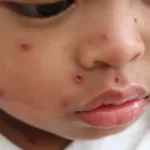
Measles is an exceptionally contagious viral infection transmitted via airborne respiratory droplets. It is clinically characterized by high fever, cough, coryza, conjunctivitis, and a pathognomonic maculopapular red rash.
While frequently mischaracterized by the public as a benign rite of childhood passage, clinical data demonstrates that measles carries a high risk of severe, debilitating complications across all age groups.
Clinical Complications of Measles Infection
According to epidemiological data from the Centers for Disease Control and Prevention (CDC), the systemic impacts of the virus are profound:
| Complication | Risk Rate | Severity & Clinical Profile |
| Hospitalization | 1 in 5 cases | Severe systemic illness requiring acute medical intervention. |
| Ear Infections | 1 in 10 children | Can result in permanent auditory nerve damage or hearing loss. |
| Pneumonia | 1 in 20 children | Severe respiratory infection; the primary cause of measles-related mortality. |
| Encephalitis | 1 in 1,000 cases | Acute brain inflammation; can cause permanent neurological deficits or deafness. |
| Death | 1–3 in 1,000 cases | Primarily driven by secondary respiratory or neurological complications. |
Public health data highlights that children under five years of age, adults over twenty, pregnant individuals, and immunocompromised patients face the highest statistical risk of severe outcomes. Prior to the advent of widespread global vaccination initiatives, measles claimed more than 2 million lives annually. Sustained international immunization programs successfully reduced global measles mortality by 80% between 2000 and 2017, underscoring the vital role of vaccine maintenance.
The MR Vaccine: The Science of Prevention
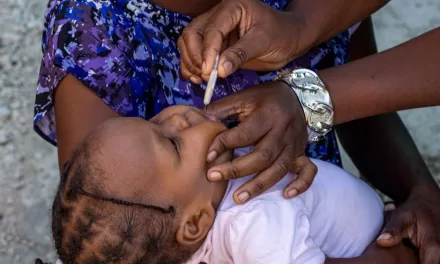
The Measles-Rubella (MR) vaccine utilizes live-attenuated virus strains to stimulate a robust, long-lasting immune response without causing the actual diseases. According to the CDC, a standard two-dose regimen of measles-containing vaccine is 97% effective at preventing infection, while a single dose provides roughly 93% protection.
The World Health Organization (WHO) notes that the vaccine possesses a well-established safety profile. Common side effects are generally mild and transient, including:
-
Temporary pain, swelling, or redness at the injection site
-
Low-grade fever
-
A mild, non-contagious rash appearing 7–10 days post-vaccination
-
Transient muscle aches or joint stiffness (rarely observed in children)
“The likelihood of suffering severe, life-altering complications from a natural measles infection far outweighs the minimal, transient risks associated with vaccination,” states the American Academy of Pediatrics (AAP).
The AAP emphasizes that serious adverse events, such as temporary thrombocytopenia (low platelet count) or acute allergic reactions, are extraordinarily rare, validating the vaccine as a cornerstone of pediatric preventative medicine.
Expert Commentary: The Logistics of Containment
To understand the broader epidemiological impact of this deployment, healthcare media spoke with Dr. Rajesh Kumar, a pediatric infectious disease specialist at the All India Institute of Medical Sciences (AIIMS) in New Delhi, who was not involved in the bilateral donation.
“Swift vaccine deployment during the earliest phases of a localized outbreak is absolutely critical to truncate chains of transmission,” Dr. Kumar explained. “A targeted 20,000-dose campaign provides public health officials with the immunobiological leverage needed to surround the cluster, potentially preventing hundreds of secondary cases if strategically directed into pockets of unvaccinated or under-vaccinated populations.”
Dr. Kumar further observed that measles outbreaks in regions that previously eliminated the disease point to a drop below critical thresholds. “The Maldives was verified as measles-free by the WHO more than two years ago. However, immunity gaps can emerge rapidly due to shifting demographics, travel, or delayed pediatric appointments. If immunization coverage drops even slightly below the 95% herd immunity threshold, this hyper-contagious virus will find and exploit those gaps.”
A Legacy of Regional Medical Diplomacy
This emergency response highlights India’s ongoing healthcare cooperation with the Maldives, a relationship that solidified in 1986 when New Delhi committed to establishing a major medical complex in Malé. The resulting 200-bed Indira Gandhi Memorial Hospital (IGMH), inaugurated in 1995, continues to serve as a pillar of the Maldivian healthcare infrastructure, operated by the local government with sustained Indian developmental backing.
Historically, India has frequently stepped in during Maldivian public health crises:
-
January 2020: Dispatched 30,000 MR vaccine doses via the Serum Institute of India within 72 hours of a previous outbreak alert.
-
March 2020: Provided immediate COVID-19 humanitarian relief alongside an additional 30,000 measles vaccine doses.
-
December 2020: Supplied 2,400 vials of essential BCG vaccines to sustain infant immunization schedules.
-
January 2021: Gifted 100,000 doses of COVID-19 vaccines during the peak of the global pandemic.
The 2026 shipment coincides with a historic juncture: the upcoming 60th Independence Day of the Maldives and the 60th anniversary of formal diplomatic ties between the two nations.
“Neighbourhood First” Policy in Action
In an official press statement, India’s Ministry of External Affairs contextualized the medical delivery within its broader foreign policy framework.
“Maldives enjoys a special place in India’s ‘Neighbourhood First’ policy and Vision MAHASAGAR. India, as a trusted First Responder, remains committed to working closely with the Government of Maldives in advancing shared priorities and for the mutual benefit of the people of the two countries,” the MEA stated.
This diplomatic alignment was recently reinforced during the BRICS Foreign Ministers’ Meeting in New Delhi, where Indian External Affairs Minister S. Jaishankar met with Maldivian Foreign Minister Iruthisham Adam to reiterate long-term commitments to the archipelago’s healthcare and infrastructural development.
Public Health Implications and Practical Advice
While the arrival of 20,000 vaccine doses provides immediate clinical support, epidemiologists note several challenges that the Maldives must navigate to successfully suppress the outbreak:
-
Logistical and Geographical Barriers: Distributing vaccines across dispersed, remote atolls requires a continuous, highly secure cold-chain infrastructure to prevent vaccine degradation.
-
Supply Adequacy: If contact tracing reveals broader community transmission beyond the Greater Malé area, additional vaccine orders may be required to sustain a nationwide catch-up campaign.
-
Integrated Outbreak Strategies: Public health authorities emphasize that vaccines alone cannot halt an active outbreak. Success relies on combining immunization with robust epidemiological tracking, immediate case isolation, and clear public communication.
What This Means for Readers
For health-conscious families and international travelers, this regional outbreak serves as a timely reminder of the interconnected nature of modern global health. Pathogens do not recognize geopolitical borders, making individual immunity a matter of community safety.
-
Verify Vaccination Portfolios: Ensure that children and adults alike have documented evidence of completing their two-dose MMR/MR vaccine schedule.
-
Pre-Travel Immunization Reviews: Individuals planning travel to the Maldives or any region experiencing active viral transmission should consult a travel medicine clinic or primary care physician to confirm immunity at least two to four weeks prior to departure.
-
Proactive Symptom Recognition: If you or a family member develops a high fever accompanied by a cough, runny nose, red eyes, or a progressing maculopapular rash, seek medical attention immediately. Call the healthcare facility ahead of time so they can take appropriate isolation precautions to protect other patients upon your arrival.
Looking Forward
Maldives President Mohamed Muizzu recently acknowledged the bilateral health collaboration, stating, “The Maldives looks forward to further strengthening cooperation with India, guided by mutual respect, sovereign equality, and shared interests.”
As Maldivian clinical teams deploy the newly arrived Indian vaccine supplies across high-risk zones, regional public health bodies will closely monitor daily case counts. The efficiency of this rapid bilateral response may well provide a logistical framework for neighboring South Asian countries managing sudden infectious disease resurgences in the future.
Medical Disclaimer
Medical Disclaimer: This article is for informational purposes only and should not be considered medical advice. Always consult with qualified healthcare professionals before making any health-related decisions or changes to your treatment plan. The information presented here is based on current research and expert opinions, which may evolve as new evidence emerges.
References
-
Ministry of External Affairs, Government of India. “‘First Responder’ India sends vaccines, medical supplies as Maldives battles measles outbreak.” Reported via DD News, June 11, 2026. https://ddnews.gov.in/en/first-responder-india-sends-vaccines-medical-supplies-as-maldives-battles-measles-outbreak/