 0
0
 0
0
NEW DELHI — A groundbreaking multicentre study linked to the Indian Council of Medical Research (ICMR) hospital-based stroke registry has revealed that anaemia, alcohol use, and elevated amino acid levels are the primary drivers behind a rare but life-threatening type of stroke in India. The study, published in the Indian Journal of Medical Research, indicates that cerebral venous thrombosis (CVT)—a blood clot in the brain’s venous drainage system—disproportionately strikes young adults in India and presents more frequently in men than women, with dangerous delays in seeking hospital care significantly increasing mortality rates.
The Anatomy of a Different Stroke
Cerebral venous thrombosis is distinct from the more common ischemic stroke. While a typical stroke involves a blocked artery cutting off blood flow to the brain, CVT occurs when a clot forms in the veins that drain blood away from the brain. This blockage causes blood to back up, increasing pressure inside the skull, which can lead to hemorrhages, severe brain tissue swelling, and permanent neurological damage.
Because CVT is relatively uncommon and its symptoms often mimic other conditions, it frequently flies under the medical radar.
[Normal Brain Drainage]   --> Blood flows freely out of the brain via veins
[Cerebral Venous Clot]   --> Veins blocked --> Fluid back-pressure --> Increased intracranial pressure & potential hemorrhage
Key Findings: India’s Unique Risk Profile
The comprehensive registry study analyzed 34,792 stroke cases documented across India between January 2020 and December 2022. Of these, 575 cases (1.6%) were diagnosed as CVT.
When researchers looked at who was being affected, they found a demographic profile that contrasts sharply with Western data:
-
The Young Are Most Vulnerable: A striking 72.4% of the CVT patients were young adults between the ages of 18 and 44.
-
Gender Disparity: Males accounted for 60% of the diagnosed cases.
-
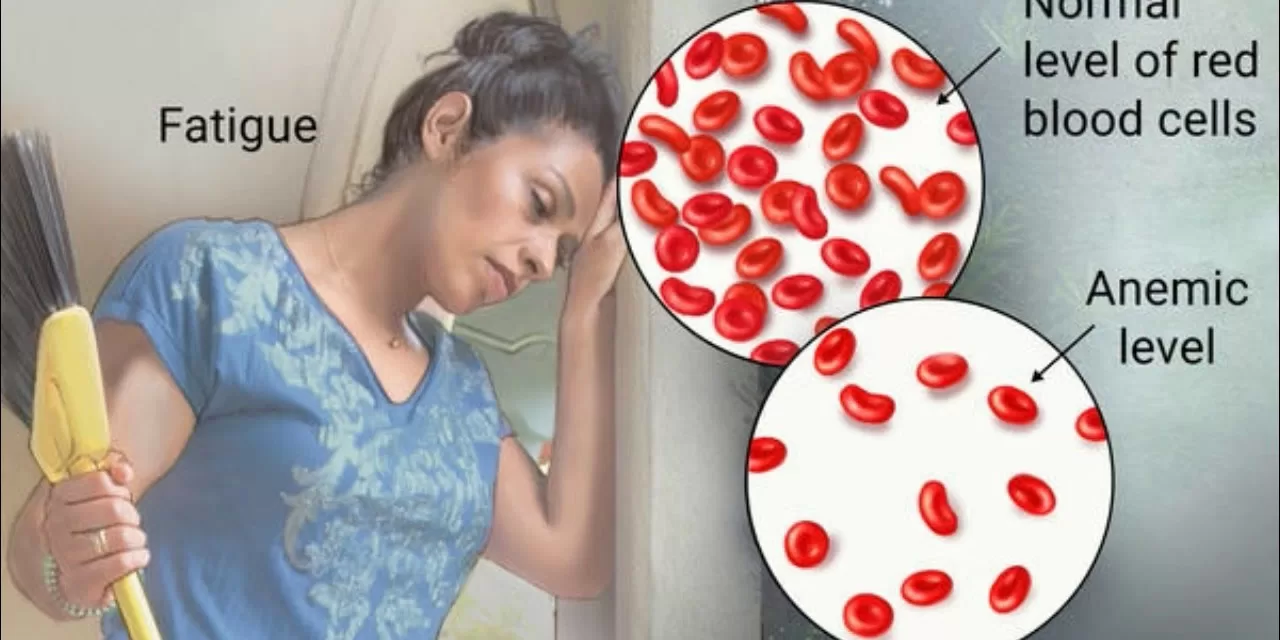
Primary Drivers: Severe anaemia, alcohol consumption, and hyperhomocysteinemia (high levels of the amino acid homocysteine in the blood) emerged as the dominant risk factors.
The study also highlighted clear gender-specific divides in risk factors. Among female patients, the clots were most frequently linked to pregnancy, postpartum complications, and the use of oral contraceptives or hormone replacement therapies. Conversely, lifestyle factors such as alcohol and tobacco consumption were overwhelmingly prominent among male patients.
The Danger of Delayed Care
Perhaps the most alarming finding from the ICMR registry was the widespread delay in patients seeking emergency treatment. Only about 25% of the registry patients managed to reach a hospital within 24 hours of their symptoms starting.
Unlike arterial strokes, which usually cause sudden weakness or speech loss, CVT symptoms can develop gradually. The study noted that the most common symptoms at presentation were:
-
Persistent, worsening headaches
-
Motor impairment or weakness
-
New-onset seizures
Because a headache can easily be mistaken for a routine migraine or stress, many patients delay hospital visits. The registry data showed a direct correlation between these delays and fatal outcomes: presentation to the hospital after 12 to 24 hours, older age, impaired consciousness, and swallowing difficulties at onset were all independently linked to higher mortality rates.
Expert Perspectives
Independent medical experts emphasize that public awareness is the weakest link in managing the condition.
“Cerebral venous thrombosis becomes life-threatening if the patients arrive late to the hospital,” noted Dr. Sudhir Sharma, Professor and Head of the Department of Neurology at the Atal Institute of Medical Super Specialities, Shimla. “Early recognition of the warning signs can be lifesaving, allowing clinicians to administer blood thinners before irreversible brain swelling occurs.”
This local pattern is reinforced by broader epidemiological data. A separate recent study from the i-RegVeD registry (an Indian registry for venous diseases) similarly confirmed a heavy association between alcohol consumption and a higher incidence of cerebral venous sinus thrombosis in Indian patients. Furthermore, historical clinical data dating back over a decade confirms that anaemia and alcoholism have long been a uniquely persistent dual threat in Indian neurological practice.
Public Health Implications and Practical Steps
These findings suggest that India cannot rely solely on Western medical literature to dictate its stroke prevention strategies. Instead, public health campaigns and hospital triage protocols must adapt to these specific regional realities.
For the general public, the practical takeaways are clear and actionable:
-
Recognize the Symptom Clusters: While a standard headache is rarely a cause for panic, a severe, unremitting headache that is accompanied by seizures, vision changes, confusion, vomiting, or difficulty speaking and swallowing demands immediate emergency evaluation.
-
Address Modifiable Risks: Anaemia remains widely prevalent across India, particularly among women and socioeconomically vulnerable populations. Proactively screening for and correcting iron deficiencies could potentially remove a major systemic trigger for abnormal clotting.
-
Moderate Lifestyle Triggers: For men, reducing heavy alcohol consumption and tobacco use serves as a vital preventative measure against this and many other cardiovascular diseases.
Study Limitations and Context
While the study’s large sample size—drawn from a robust multicentre network—lends substantial weight to its conclusions, researchers note certain limitations. As an observational registry study, the data can establish strong associations but cannot definitively prove direct cause and effect.
Additionally, because the data relies on hospital registries, it may underrepresent patients in rural or remote areas who never reached tertiary care facilities. Lifestyle exposures, particularly alcohol and tobacco consumption, are also frequently underreported by patients and families in clinical records, meaning their actual impact could be even higher than recorded.
Nevertheless, the study provides an invaluable roadmap for Indian clinicians, highlighting that when a young adult presents with an atypical, severe neurological complaint, CVT must be suspected early.
References
-
The Tribune. Anaemia, alcohol major risk factors behind brain clots, finds ICMR study. Published July 19, 2026. Expert commentary from Dr. Sudhir Sharma, Department of Neurology, Atal Institute of Medical Super Specialities, Shimla.
Medical Disclaimer: This article is for informational purposes only and should not be considered medical advice. Always consult with qualified healthcare professionals before making any health-related decisions or changes to your treatment plan. The information presented here is based on current research and expert opinions, which may evolve as new evidence emerges.