 0
0
 0
0
DHAKA, BANGLADESH — A worsening public health emergency reached a grim milestone on July 19, 2026, as the Directorate General of Health Services (DGHS) reported four additional child deaths from suspected measles within a 24-hour window. The latest casualties push Bangladesh’s cumulative toll of confirmed and suspected measles-related fatalities to 788, underscoring a swift and aggressive resurgence of one of the world’s most contagious viral diseases.
Alongside the newly reported fatalities, health authorities logged 938 new suspected cases and 113 laboratory-confirmed infections in the same 24-hour period. Since the outbreak intensified on March 15, the nation has recorded an alarming 117,648 suspected cases and 14,431 laboratory-confirmed infections. The surge has placed immense strain on the local healthcare infrastructure, with over 100,000 suspected patients requiring hospitalization to date.
While the majority of those hospitalized (96,521 patients) have recovered, frontline health workers and international agencies warn that the sheer volume of cases points to sustained, widespread community transmission that threatens to overwhelm surveillance systems and clinical resources.
Deconstructing the Data: Suspected vs. Confirmed
The latest epidemiological update from the DGHS classifies all four recent deaths as “suspected,” bringing the total number of suspected measles fatalities to 693, while laboratory-confirmed deaths hold at 95. In public health surveillance, distinguishing between suspected and confirmed cases is standard procedure. A confirmed case relies on definitive laboratory diagnostics, such as serological testing or polymerase chain reaction (PCR) assays, whereas a suspected case is identified through clinical presentation—specifically, the classic triad of fever, maculopapular rash, and respiratory symptoms.
However, independent medical experts stress that in the midst of a full-scale outbreak, high numbers of suspected cases carry massive clinical weight.
“During an active epidemic, waiting for laboratory confirmation can create a dangerous lag in response,” says Dr. Farah Alam, an infectious disease epidemiologist based in Dhaka, who is not affiliated with the DGHS report. “Both metrics are essential. The high volume of suspected cases reflects the genuine pressure on our emergency rooms, isolation wards, and primary care facilities. We must treat clinical presentations aggressively, regardless of whether a lab kit has processed the sample yet.”
Why Measles Cannot Be Dismissed as “Just a Rash”
The escalating death toll serves as a stark reminder of the virus’s virulence. According to the World Health Organization (WHO), measles is an acute, highly contagious viral infection that is transmitted via airborne droplets from the nose, mouth, or throat of infected individuals.
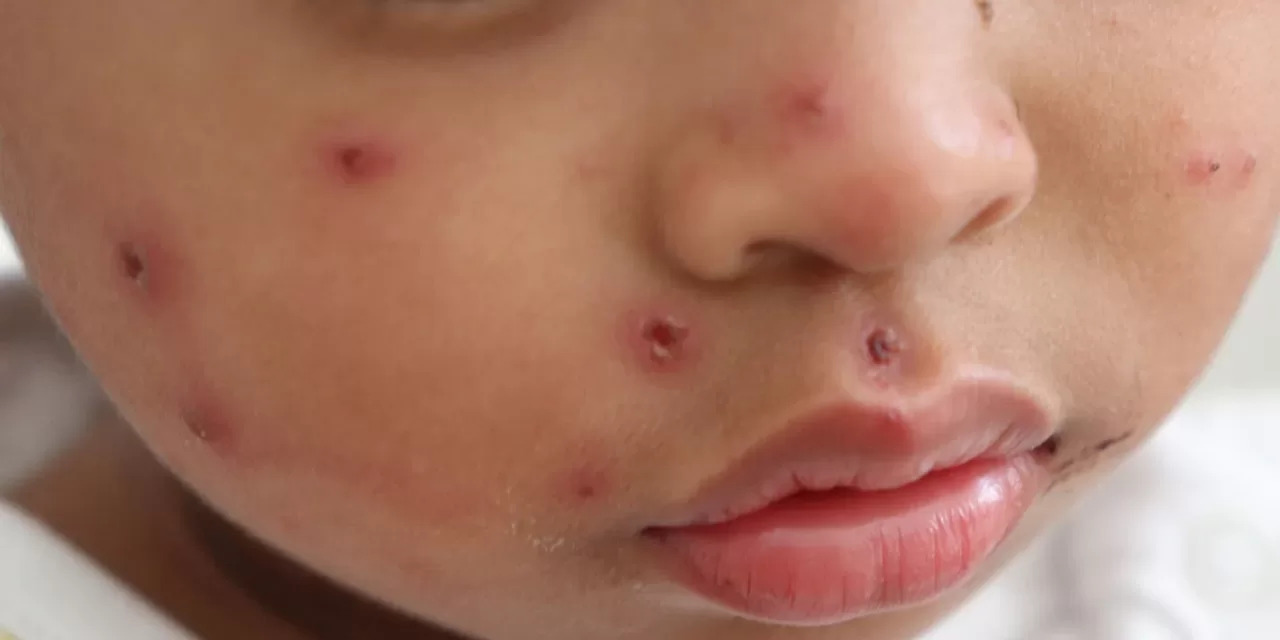
The virus attacks the respiratory tract before spreading throughout the body. Early symptoms mimic a routine upper respiratory infection: a high fever, runny nose, cough, and conjunctivitis (red, watery eyes). Only after three to five days does the characteristic maculopapular rash emerge, typically starting on the face and spreading downward to the neck, trunk, and extremities. At this peak stage, an infected individual’s fever can spike above 104°F (40°C).
[Exposure] ➔ [7-14 Days: Incubation] ➔ [Early Symptoms: Fever, Cough, Red Eyes] ➔ [3-5 Days Later: Rash + High Fever]
Measles is notoriously hazardous for young children, particularly those who are undernourished or suffer from severe vitamin A deficiency. The infection temporarily suppresses the host’s immune system, leaving children highly vulnerable to severe, life-threatening complications, including:
-
Pneumonia: The most common cause of measles-related death in young children.
-
Encephalitis: An inflammation of the brain that can lead to permanent neurological damage, blindness, or deafness.
-
Severe Diarrhea: Leading to acute dehydration.
Public Health Context and the “Immunity Gap”
The current crisis in Bangladesh was flagged earlier this year by the WHO in a disease outbreak notice, which categorized the national risk as high. The agency cited deep immunity gaps among vulnerable pediatric populations, widespread transmission across multiple districts, and a rising trajectory of suspected fatalities.
Because the measles virus has a basic reproduction number ($R_0$) estimated between 12 and 18—meaning a single infected person can pass the virus to up to 18 unvaccinated individuals—even minor disruptions in routine immunization schedules can trigger explosive outbreaks. The WHO asserts that a population requires a strict 95% vaccination coverage rate with two doses of a measles-containing vaccine to achieve herd immunity and prevent sustained outbreaks.
Globally, the impact of immunization cannot be overstated. The WHO reports that measles vaccines prevented an estimated 59 million deaths between 2000 and 2024. Despite this achievement, the disease claimed roughly 95,000 lives worldwide in 2024 alone, primarily concentrated in developing regions with fragile healthcare delivery platforms.
Clinical Perspectives and Resource Limitations
For healthcare providers on the ground, the immediate objective is mitigating severe outcomes through rapid triage and supportive care. The Centers for Disease Control and Prevention (CDC) notes that while there is no specific antiviral therapy to cure measles, severe complications can be avoided through supportive care that ensures good nutrition and adequate fluid intake.
Furthermore, the WHO advocates for the routine administration of two doses of vitamin A to all children diagnosed with measles in outbreak zones, regardless of their previous vaccination status. This intervention has been shown to reduce mortality and prevent the onset of blindness by protecting ocular tissue and boosting mucosal immunity.
However, clinicians face logistical hurdles. Rapidly separating suspected measles patients from general pediatric wards is essential to prevent nosocomial (hospital-acquired) transmission, but crowded metropolitan clinics often lack the physical space for strict isolation protocols.
Practical Actions for Caregivers and Families
Public health authorities emphasize that the most effective defense against this escalating crisis is immediate, proactive vaccination. Parents and caregivers are urged to review their children’s immunization records without delay.
The global standard requires a two-dose regimen of either a measles-only vaccine or a combination formula, such as the Measles-Rubella (MR) or Measles-Mumps-Rubella (MMR) vaccine. For children who missed their scheduled doses during routine health visits, catch-up vaccination campaigns are vital and highly effective.
| Symptom Stage | Key Indicators | Action Required |
| Early Stage (Prodromal) | High fever, hacking cough, runny nose, red/watery eyes | Isolate from others; consult a healthcare provider immediately. |
| Eruptive Stage | Flat rash spreading from face downward, fever spiking up to 104°F | Seek urgent clinical evaluation; monitor hydration and breathing. |
Families should maintain a high index of suspicion. If a child exhibits a high fever alongside a cough, runny nose, or a spreading rash, caregivers must seek qualified medical attention immediately rather than attempting home remedies. Early supportive treatment can mean the difference between a routine recovery and a life-threatening complication.
References
-
Directorate General of Health Services (DGHS), Bangladesh; epidemiological data published via The Daily Star, “4 more children die with measles-like symptoms, toll rises to 788,” July 19, 2026.
Medical Disclaimer: This article is for informational purposes only and should not be considered medical advice. Always consult with qualified healthcare professionals before making any health-related decisions or changes to your treatment plan. The information presented here is based on current research and expert opinions, which may evolve as new evidence emerges.