0
0
 0
0
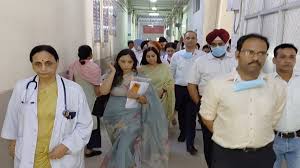
BARAMULLA, INDIA — Healthcare operations at Government Medical College (GMC) Baramulla faced severe disruption on July 20, 2026, when medical doctors and paramedical staff temporarily suspended routine outpatient and non-emergency services. The protest was triggered by an alleged assault on healthcare personnel inside the facility’s Department of Obstetrics and Gynaecology, highlighting the fragile security conditions under which public healthcare providers operate across the region.
While emergency services remained fully functional throughout the demonstration, the brief withdrawal of routine care renewed urgent calls from medical unions and hospital staff for round-the-clock security, permanent police deployment, preservation of closed-circuit television (CCTV) footage, and swift legal action under local law enforcement channels.
The Incident at GMC Baramulla
According to initial reports from local health officials and news outlets, the conflict erupted inside the gynaecology department—a high-density, emotionally charged environment handling acute maternal care. Following the alleged physical and verbal altercations, healthcare workers immediately halted non-critical duties to demand systemic protections.
“The primary trigger for the protest was a direct safety incident, not a clinical or administrative dispute,” noted local health union representatives. “When frontline staff face physical threats while delivering care, the entire clinical environment becomes compromised.”
Local law enforcement promptly registered a First Information Report (FIR) regarding the event. Simultaneously, the administration of GMC Baramulla formally petitioned regional authorities for permanent police protection on hospital grounds. Hospital leadership underscored that safety concerns have transitioned from periodic operational hurdles into chronic administrative challenges that threaten day-to-day healthcare delivery.
The Pressure Cooker of Emergency and Obstetric Care
The incident at GMC Baramulla is far from an isolated event. Across India and many developing healthcare systems globally, Obstetrics and Gynaecology departments, along with Trauma units, experience the highest rates of workplace violence.
Medical experts emphasize that several factors converge to create these vulnerable environments:
-
High Emotional Stakes: Obstetric emergency care often involves rapid decision-making under life-or-death scenarios for both mother and child, driving acute stress levels among family members.
-
Infrastructure and Overcrowding: Public sector facilities frequently operate near or above full capacity, leading to prolonged waiting times, crowded waiting halls, and heightened patient anxiety.
-
Communication Breakdown: In fast-paced clinical settings, strained staff-to-patient ratios can hinder real-time communication regarding treatment delays or critical prognosis updates, leading to friction.
When small administrative or logistical delays occur within an already overburdened system, tempers can flare, quickly escalating into verbal abuse or physical aggression against nurses, resident doctors, and support staff.
A Global Occupational Hazard
Violence against healthcare workers is widely recognized as a severe public health crisis. The World Health Organization (WHO) estimates that between 8% and 38% of healthcare workers suffer physical violence at some point in their careers, with a significantly higher proportion experiencing verbal threats or psychological harassment.
| Metric | Regional & Global Context |
| Global Prevalence | Up to 38% of health personnel face physical violence globally (WHO data). |
| High-Risk Zones | Emergency departments, intensive care, and obstetrics/gynaecology clinics. |
| Primary Drivers | Overcrowding, lack of security infrastructure, unmanaged grief, long wait times. |
| Public Impact | Service delays, staff burnout, reduced access to affordable public care. |
The Indian Medical Association (IMA) has repeatedly highlighted that public hospitals are particularly vulnerable due to unrestricted visitor access and inadequate security infrastructure. Studies show that persistent security risks contribute heavily to professional burnout, high attrition rates, and a reluctance among young medical professionals to serve in rural or public-sector facilities where security measures are weaker.
The Impact on Public Health and Patient Access
While protests and work stoppages are intended to force institutional accountability, their immediate downstream effect falls disproportionately on vulnerable patient populations.
When routine services at a major regional facility like GMC Baramulla are suspended—even for a few hours—the broader healthcare ecosystem experiences immediate strain:
-
Disrupted Antenatal and Outpatient Care: Patients travelling long distances from rural hinterlands often miss critical routine screenings, diagnostic tests, or prenatal consultations.
-
Overburdened Emergency Systems: Non-emergency patients are forced to seek care through emergency departments, compounding triage delays for critical cases.
-
Erosion of Trust: Repeated disruptions damage the therapeutic alliance between communities and public hospitals, pushing lower-income families toward costly private alternatives or delayed treatment.
Public health policy experts stress that hospital security is intrinsically linked to patient safety. An insecure work environment inevitably degrades the quality of clinical attention, increases the risk of medical errors, and compromises overall patient outcomes.
Institutional Remedies and Best Practices
Resolving the crisis of workplace violence in health settings requires a multi-layered approach that addresses physical security, institutional policy, and community engagement.
       [ Institutional Security Framework ]
                        │
   ┌────────────────────┼────────────────────┐
   ▼                    ▼                    ▼
[ Access Control ]  [ Rapid Response ]  [ De-escalation ]
- Stationed Police  - Code Green/Purple - Crisis Training
- CCTV Surveillance - Direct Police Line - Transparent Updates
Hospital administrators and public health experts recommend several key structural interventions:
-
Restricted Entry Management: Implementing strict single-visitor pass policies to limit crowd density inside critical wards and clinical zones.
-
24×7 Armed Security & CCTV Integration: Stationing trained security personnel at vulnerable entry points and maintaining fully functional video surveillance to act as a deterrent and preserve evidence.
-
De-escalation and Crisis Communication: Training medical staff and dedicated patient liaison officers in conflict resolution and compassionate communication during high-stress encounters.
-
Legal Protections and Enforcements: Ensuring rigorous implementation of state-level healthcare personnel protection acts to ensure swift legal prosecution of offenses.
Looking Forward
The temporary suspension of routine services at GMC Baramulla serves as a stark reminder that physical safety is a fundamental prerequisite for quality healthcare. While emergency care was preserved, the incident reinforces the urgency of implementing robust, long-term security measures across public healthcare facilities. Protecting medical personnel is not merely an occupational demand—it is a vital safeguard for public health access and institutional resilience.
Reference Section
- https://medicaldialogues.in/news/health/doctors/doctors-suspend-routine-services-at-gmc-baramulla-after-assault-in-gynaecology-dept-demand-police-protection-175379
Medical Disclaimer: This article is for informational purposes only and should not be considered medical advice. Always consult with qualified healthcare professionals before making any health-related decisions or changes to your treatment plan. The information presented here is based on current research and expert opinions, which may evolve as new evidence emerges.