 0
0
 0
0
LONDON — Scientists at Imperial College London have unveiled a bioinspired “smart” wound dressing that recruits the body’s natural healing machinery to repair tissue. Rather than inundating a site with synthetic pharmaceuticals, the bioengineered material captures indigenous growth factor proteins already present in blood or wound fluids and holds them in an inactive state until repair cells physically tug on the matrix.
Published in Nature Materials, the study demonstrates that force-responsive release allows wounds to heal significantly faster while requiring doses hundreds to thousands of times lower than standard clinical growth-factor therapies. Across animal models and laboratory-maintained human skin tissue, the dressing encouraged rapid cell invasion and accelerated tissue closure, offering a promising new paradigm for treating chronic, non-healing wounds.
Mechanical Pull as a Biological Switch
Growth factors are signaling proteins that direct cells to migrate, divide, recruit blood vessels, and reconstruct damaged skin tissue. In regenerative medicine, external growth factors have long been recognized as powerful therapeutic tools. However, their real-world application has been hampered by instability: when applied directly to a wound, these fragile proteins are rapidly diluted by fluids and broken down by native enzymes before they can accomplish their job. High doses have traditionally been required to compensate, raising treatment costs and increasing the potential for adverse systemic side effects.
The Imperial College London team bypassed this hurdle by designing a biomaterial that acts like a biological trap with a mechanical release latch. The dressing sequesters the patient’s own growth factors without deactivating them permanently. When infiltrating repair cells reach the material and exert mechanical traction—literally pulling on the fibers—the physical strain releases the sequestered proteins directly to the requesting cell.
“The material effectively turns the patient’s own body into the pharmacy,” explained Dr. Ben Almquist, senior author of the study and Associate Professor in Bioengineering at Imperial. “Instead of flooding the area with mass quantities of delicate, laboratory-made proteins, the dressing collects what the body is already producing and delivers it precisely when and where repair cells demand it.”
This mechanical targeted delivery allows the platform to operate effectively at drastically reduced concentrations—more than 2,000 times lower than existing clinical growth-factor treatments—without sacrificing therapeutic efficacy.
Promising Findings Across Preclinical Models
The researchers evaluated the material across three animal and human tissue models to test its versatility:
-
Mouse Cutaneous Wounds: Treated skin lesions showed accelerated closure rates, with significantly reduced wound areas after 10 days compared to control dressings.
-
Rat Bone Injury: The material integrated with bony tissue, demonstrating that force-mediated signaling can function in rigid structural repair as well as soft tissue.
-
Living Human Skin (Ex Vivo): Maintained in laboratory culture, human skin samples treated with the bio-dressing exhibited faster cellular infiltration into the matrix, validating that the mechanism functions within human biology.
“Seeing the system successfully orchestrate cell movement and repair in living human skin was a major turning point,” noted Dr. Magdalene Ho, lead author of the study from Imperial’s Department of Bioengineering. “It gives us confidence that this bioinspired approach can translate effectively from the bench to clinical settings.”
Independent experts in reconstructive medicine have noted the significance of the findings. “This represents a major breakthrough in wound care,” said Mr. Shehan Hettiaratchy, Professor of Practice in Plastic and Reconstructive Surgery at Imperial, who was not involved in the research team. “It could transform our approach to complex chronic wounds and improve early outcomes for acute, traumatic injuries.”
The Burden of Chronic Wounds
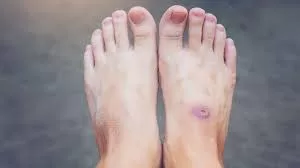
Chronic, non-healing wounds—including diabetic foot ulcers, venous leg ulcers, pressure sores, and severe burn injuries—affect tens of millions of individuals globally. In healthy tissue, wound healing proceeds through an orchestrated sequence of inflammation, cell proliferation, and tissue remodeling. In chronic wounds, this process becomes stalled. Enzymes degrade signaling molecules, blood supply is compromised, and cellular responses grow sluggish.
The medical cost of managing chronic wounds runs into tens of billions of dollars annually. Beyond the financial impact, long-term non-healing wounds cause chronic pain, severe mobility loss, and elevated risk of systemic infection, often leading to limb amputation or sepsis.
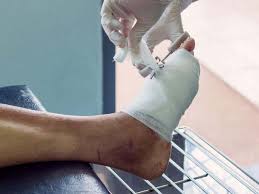
Over the past decade, wound care has gradually shifted from passive barrier materials (such as basic gauze and hydrogel sheets) toward active bio-interactive materials. While early smart dressings attempted to deliver continuous drug doses or sense local pH levels, many struggled with stable protein delivery. The new traction-response mechanism directly addresses this limitation by using the mechanical activity of human cells as the regulatory trigger.
| Dressing Type | Primary Mechanism | Protein Stability | Key Advantage |
| Traditional Gauze / Foam | Passive barrier; fluid absorption | N/A | Low cost, simple protection |
| Conventional Growth-Factor Gels | Passive flood release of synthetic proteins | Low (rapid enzyme degradation) | Delivers active signals, but requires high doses |
| Traction-Responsive Smart Dressing | Traps native proteins; releases upon cellular pull | High (protected until pulled) | Ultra-low dosing; targeted, cell-demanded release |
Study Limitations and Road Ahead
While the results mark an important advance in biomaterials research, clinicians emphasize that the technology remains in its early stages.
First, current evidence relies on rodent models and ex vivo human skin cultures. Human clinical trials are necessary to verify whether the material remains durable and effective in complex human wounds, where heavy bacterial loads, excessive exudate, and underlying vascular disease can alter cellular behavior.
Second, chronic wounds are biologically heterogeneous. A patient with long-standing type 2 diabetes suffers from impaired microvascular circulation, peripheral neuropathy, and altered immune responses. Another patient with venous insufficiency faces high mechanical pressure and localized fluid pooling. No single dressing can resolve every underlying pathology. If cleared for human use, this smart dressing will serve as an adjunct to—not a replacement for—established standard care, which includes:
-
Rigorous infection control and debridement (removal of dead tissue)
-
Offloading pressure from affected areas
-
Glycemic management in diabetic patients
-
Revascularization to ensure adequate tissue blood flow
Manufacturing scalable, sterile, and cost-effective matrix materials that meet regulatory standards for medical devices will be the next major hurdle for the research team before clinical trials can begin.
Practical Guidance for Patients
While this bioinspired technology offers a glimpse into the future of regenerative medicine, it is currently an experimental laboratory development and is not available in hospitals or pharmacies.
Patients managing active cuts, surgical incisions, or chronic ulcers should continue following their care team’s established treatment plans. Individuals with underlying health conditions such as diabetes, peripheral artery disease, or compromised immune systems should monitor skin integrity closely.
When to Seek Immediate Medical Attention:
-
A wound shows no signs of closing or healing after two weeks.
-
Increased redness, swelling, or warmth spreads from the wound edge.
-
There is foul-smelling drainage or yellow/green pus.
-
Pain levels increase suddenly or significantly.
-
Systemic symptoms develop, such as fever, chills, or confusion.
References
- https://www.earth.com/news/smart-wound-dressing-growth-factors/
Medical Disclaimer: This article is for informational purposes only and should not be considered medical advice. Always consult with qualified healthcare professionals before making any health-related decisions or changes to your treatment plan. The information presented here is based on current research and expert opinions, which may evolve as new evidence emerges.