 0
0
 0
0
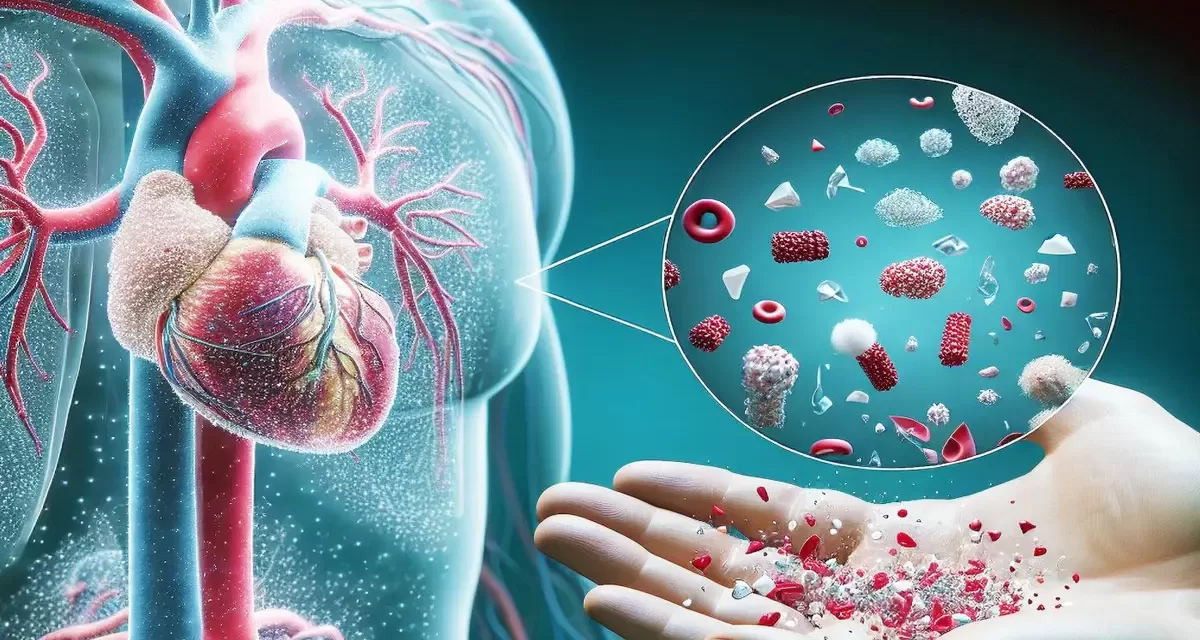
The recent groundbreaking study presented at UEG Week 2025 provides the first direct evidence that microplastics—plastic particles smaller than 5 millimeters widespread in our environment—can alter the human gut microbiome. This alteration may resemble microbial patterns linked to conditions such as depression and colorectal cancer, raising new questions about the subtle health risks posed by these pollutants commonly found in daily life. The study is a milestone in understanding how microplastics interact with human biology, particularly gut health, and what this might mean for public health.
Key Study Findings and Methodology
This pioneering research, conducted under the microONE project led by CBmed research center with international partners, examined stool samples from five healthy volunteers. The stool samples were grown ex vivo as gut microbiome cultures, which were then exposed to five common types of microplastics: polystyrene, polypropylene, low-density polyethylene, poly(methyl methacrylate), and polyethylene terephthalate. The concentrations used reflected estimated real-life human exposures, with additional higher doses to explore potential dose-dependent effects.
The study found no significant changes in the total or viable bacterial cell counts between microplastic-treated cultures and controls. However, a consistent and significant increase in acidity (lower pH) was observed in the exposed cultures, indicating altered microbial metabolic activity. Detailed bacterial community analyses revealed plastic-specific changes in bacterial composition, particularly within the phylum Bacillota, which is crucial for digestion and gut health. Families such as Lachnospiraceae, Oscillospiraceae, Enterobacteriaceae, and Ruminococcaceae showed notable shifts, potentially affecting gut microbiome function.
Expert Perspectives
Christian Pacher-Deutsch, the study’s lead author and researcher at the Medical University of Graz, emphasized the significance of these findings due to the ubiquity of microplastic exposure in modern life. He noted that while no dramatic changes in bacterial count were seen, the alterations in microbial metabolic processes could have important health consequences, especially as these microbial shifts resemble patterns associated with depression and colorectal cancer.
Additional insights from Stanford Medicine highlight that microplastics have been found in numerous human tissues, including blood, brain, and reproductive organs. Dr. Desiree LaBeaud, a pediatric infectious diseases physician, explains that microplastics behave like persistent pollutants, accumulating in the body and potentially causing inflammation, immune system impairments, and cellular damage. Laboratory and animal studies further suggest links between these particles and chronic diseases, although direct human studies remain scarce.
Context and Public Health Implications
Microplastics are omnipresent in the environment—in water, air, food, and household products. Adults may ingest thousands of these particles annually through food and water. The new evidence suggesting that microplastics can disrupt gut microbiome metabolism is concerning because the gut microbiome plays a vital role in immune regulation, nutrient absorption, and even the gut-brain axis, which influences mood and cognition.
Disruptions in the gut microbiome caused by microplastics could potentially increase risks for inflammatory bowel diseases, colorectal cancer, metabolic syndrome, and autoimmune conditions. The observed decrease in pH and changes in bacterial families indicate a shift that might compromise the gut’s protective functions and promote inflammation. Microplastics might also act as carriers for toxins or antibiotic-resistant bacteria, further complicating health effects.
Limitations and Conflicting Views
Despite these significant findings, some limitations remain. The study was small, involving only five individuals and ex vivo cultures rather than live subjects, which limits the ability to generalize results or establish causality. Human gut microbiomes are complex and influenced by numerous factors, and further longitudinal studies with larger populations are needed.
The World Health Organization currently states that while microplastic exposure is a concern, clear evidence linking it directly to adverse health effects in humans is limited due to significant knowledge gaps and the complexity of exposure assessment. Some experts caution that not all microplastics pose equal risks, and effects may vary by type, size, exposure route, and individual susceptibility.
Practical Implications for Readers
While research continues, individuals can take reasonable steps to reduce microplastic ingestion, such as minimizing use of plastic-packaged food and drinks, using filtered water, avoiding plastic containers for heating food, and supporting policies aimed at reducing plastic pollution. Awareness of potential health implications can motivate both personal choices and broader environmental action.
Conclusion
This study marks a critical advance in understanding how environmental contaminants like microplastics may influence human health beyond direct toxicity, specifically through altering the gut microbiome. Although more research is needed to fully elucidate risks, the evidence underscores the importance of reducing microplastic exposure to protect gut health and overall well-being.
Medical Disclaimer
This article is for informational purposes only and should not be considered medical advice. Always consult with qualified healthcare professionals before making any health-related decisions or changes to your treatment plan. The information presented here is based on current research and expert opinions, which may evolve as new evidence emerges.
References