 0
0
 0
0
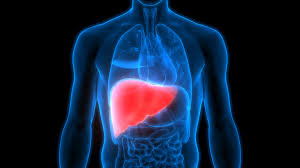
PANAJI, GOA — June 13, 2026 — In a major public health move, the government of Goa has launched an unprecedented, state-wide campaign to screen 300,000 residents for fatty liver disease over the next three years. This initiative marks India’s first large-scale program dedicated entirely to the early detection and prevention of Metabolic Dysfunction-Associated Fatty Liver Disease (MAFLD) and its more severe progressive form, Metabolic Dysfunction-Associated Steatohepatitis (MASH).
The program, named “Liver Forever,” aims to transform how the country approaches metabolic health by catching progressive organ damage long before symptoms surface.
Catching the “Silent Epidemic” Early
The initiative, rolled out in partnership with Zydus Healthcare (a wholly-owned subsidiary of Zydus Lifesciences Ltd), will screen nearly 21% of Goa’s adult population. Public health teams will deploy diagnostic tools across Primary Health Centers (PHCs) and Community Health Centers (CHCs) statewide. Goa Medical College (GMC) will act as the central hub for advanced diagnostics and specialized patient management.
          [ Local Health Centers (PHCs & CHCs) ]
               Routine Citizen Screening
                          │
                          ▼
            [ High Stiffness Detected ]
                          │
                          ▼
             [ Goa Medical College (GMC) ]
          Advanced Care & Targeted Therapies
“The objective is to arrest the progression of fatty liver into fatal conditions like liver cirrhosis and secondary type-2 diabetes,” stated Goa Health Minister Vishwajit Rane at the launch. Rather than waiting for patients to present with end-stage organ failure, the state’s non-communicable diseases (NCD) cell is integrating liver health directly into its universal healthcare database.
Why Liver Health Has Become an Indian Public Health Priority
For decades, fatty liver disease was largely viewed as an issue tied directly to high alcohol consumption or severe Western obesity. However, fresh data has completely shifted that medical consensus.
Findings from the landmark Phenome India-CSIR Health Cohort study, published in The Lancet Regional Health Southeast Asia, revealed that an astonishing 38.9% of Indian adults—nearly 4 in 10—show signs of fatty liver disease. The study, which evaluated more than 7,700 adults across 27 cities, warned that a significant portion of these individuals already display early liver stiffening, known clinically as fibrosis.
Medical researchers have identified a distinct “Indian phenotype” for liver disease. Unlike Western countries where severe obesity is the primary driver, roughly 20% of fatty liver cases in India occur in individuals who are non-obese or lean.
The Hidden Connection to Diabetes
The intersection between liver health and type 2 diabetes is particularly stark. A multi-center study tracking 9,202 diabetes patients across 25 Indian cities found that more than a quarter (26%) suffered from significant liver fibrosis, while 5% had already progressed to irreversible cirrhosis.
| Underlying Metabolic Condition | Estimated Co-Prevalence with Fatty Liver |
| Type 2 Diabetes Mellitus | 55.5% – 88.0% |
| Metabolic Syndrome | 73.0% |
| Overweight / Obesity | 50.0% – 80.0% |
| General Indian Population (Baseline) | 9.0% – 53.0% (Varies widely by region) |
Moving From Screening to Long-Term Care
Public health campaigns often face criticism for identifying problems without providing solutions. To counter this, organizers designed “Liver Forever” to provide longitudinal care. Individuals flagged with high liver stiffness or elevated metabolic risk profiles will automatically receive lifestyle modification counseling, medical interventions, and structured follow-up tracks.
Swati Dalal, Managing Director of Zydus Healthcare, emphasized that changing outcomes relies heavily on creating long-term structural awareness. “Early awareness and timely medical intervention are crucial for improving liver health outcomes,” Dalal noted, adding that the partnership unifies corporate diagnostic support with Goa’s pre-existing, robust primary care networks.
Expert Insights: The Lean Phenotype and the Non-Invasive Approach
Leading metabolic experts not involved with the Goa initiative have broadly welcomed the state-wide mandate, noting that metabolic dysfunction-associated steatotic liver disease (MASLD) frequently goes unnoticed because the liver lacks pain receptors.
“Up to 70% of type 2 diabetes patients are estimated to have underlying fatty liver disease, with a vulnerable subset progressing to advanced fibrosis,” says Dr. Anoop Misra, Chairman of the Center for Diabetes, Obesity and Metabolic Disorders (Fortis-C-DOC) in New Delhi.
Dr. Misra, who spearheaded the first Indian Consensus Guidelines for managing liver disease in diabetic patients, advocates for a tiered approach to public screening:
-
Initial Risk Stratification: Utilizing simple, low-cost blood markers like the FIB-4 index (which evaluates age, platelet counts, and liver enzymes).
-
Advanced Confirmation: Moving intermediate and high-risk individuals to non-invasive transient elastography (commonly known as a FibroScan) to accurately measure liver fat accumulation and physical stiffness.
Air Commodore (Dr.) Bhaskar Nandi, a senior medical professional reflecting on recent national cohort data, pointed out that because the disease’s national footprint is so vast, large-scale regional initiatives like Goa’s are vital to understanding localized lifestyle and genetic risk factors.
Understanding the Stages of Liver Progressions
When fat accumulates excessively in liver cells due to metabolic dysfunction, it sets off an inflammatory cascade. If left unchecked, the tissue alters over time through distinct, measurable clinical stages:
-
Simple Steatosis: Excess fat builds up in liver cells. At this stage, the condition is typically harmless and fully reversible.
-
Steatohepatitis (MASH): The cellular fat causes inflammation, swelling, and localized cell injury.
-
Fibrosis: Persistent inflammation forces the liver to produce scar tissue. Healthy tissue begins to be replaced by fibrous areas, though the organ continues to function.
-
Cirrhosis: Severe, widespread scarring compromises the liver’s physical structure, leading to potential organ failure, fluid retention, and internal complications.
-
Hepatocellular Carcinoma: Severe, chronic cellular stress transforms into primary liver cancer, a condition rapidly rising in prevalence globally alongside metabolic syndrome.
Balance, Limitations, and Practical Realities
Despite the praise from public health advocates, some medical guidelines urge caution regarding general population screenings. Organizations like the American Academy of Family Physicians (AAFP) typically advise targeting liver screenings strictly to high-risk groups—such as those with diagnosed type 2 diabetes or severe insulin resistance—rather than testing the broader, asymptomatic public.
Experts note that because Goa is employing a broader, population-inclusive model, the state will need to carefully document its long-term cost-efficiency and clinical outcomes to prove its viability to other regions.
Furthermore, there is currently no single, universal pharmacological “cure” for metabolic liver disease. While medications like pioglitazone, SGLT2 inhibitors, and GLP-1 receptor agonists are frequently used by physicians to manage the underlying insulin resistance, the absolute foundation of treatment remains behavioral.
What This Means for Individual Health Decisions
For health-conscious individuals, clinical evidence shows that losing 7% to 10% of total body weight remains the most effective method to reduce liver fat and reverse early-stage inflammation. Medical professionals recommend focusing on nutrition dense in whole grains, vegetables, and lean proteins, while strictly minimizing ultra-processed foods and added fructose sugars, which the liver metabolizes directly into fat.
A Blueprint for the Nation?
With Union Health Ministry data suggesting that nearly one in three Indians presents with some degree of metabolic liver dysfunction, Goa’s systematic approach offers a real-world test case. If successful, its integration of primary screening data into a universal health database could serve as a valuable blueprint for other states working to curb India’s expanding metabolic disease burden.
Medical Disclaimer
This article is for informational purposes only and should not be considered medical advice. Always consult with qualified healthcare professionals before making any health-related decisions or changes to your treatment plan. The information presented here is based on current research and expert opinions, which may evolve as new evidence emerges.
References
- https://health.economictimes.indiatimes.com/news/policy/goa-govt-to-screen-3-lakh-people-for-fatty-liver-disease/131731060?utm_source=latest_news&utm_medium=homepage