 0
0
 0
0
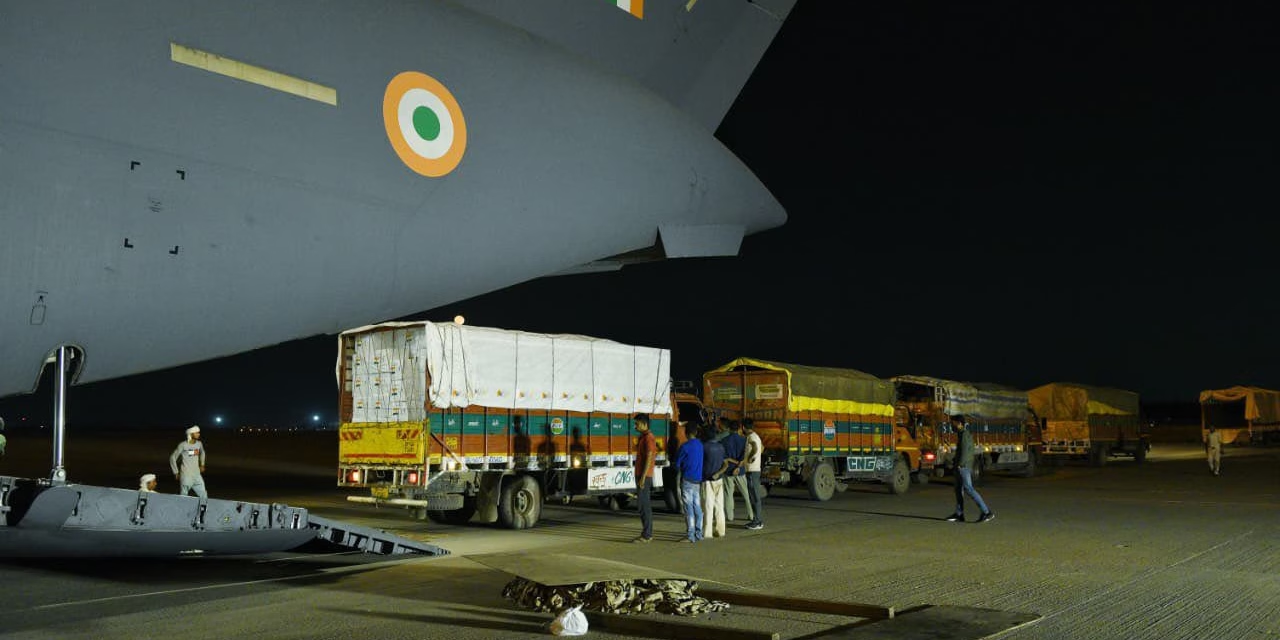
NEW DELHI — In a major escalation of international public health solidarity, India has dispatched a massive 43-tonne consignment of emergency medical assistance to the Africa Centres for Disease Control and Prevention (Africa CDC). The shipment, which arrived in Kampala, Uganda on June 2, 2026, is specifically provisioned to strengthen containment and treatment capacities against the ongoing Bundibugyo Ebola outbreak in East-Central Africa. This second, vastly expanded tranche of aid follows an initial 2.5-tonne delivery sent on May 24, directly targeting the epicenter of the crisis in the eastern Democratic Republic of Congo (DRC), where the World Health Organization (WHO) has declared a Public Health Emergency of International Concern (PHEIC).
The Strategic Arsenal: What is Inside the Aid Package?
The 43-tonne relief package represents a coordinated effort by India’s Ministry of External Affairs (MEA) to address severe supply shortages on the front lines. Rather than focusing solely on basic pharmaceuticals, the consignment delivers a comprehensive, multi-pronged toolkit designed to protect health workers and stabilize infected patients.
| Component | Public Health & Clinical Purpose |
| Personal Protective Gear (PPE) | Vital infection prevention to stop healthcare-associated transmission. |
| Diagnostic & Monitoring Equipment | Enables rapid case identification, vital sign tracking, and isolation management. |
| Sample Transport Kits | Ensures the safe, bio-secure transport of highly infectious laboratory specimens. |
| Infection Prevention Supplies | Sanitizing and sterilization materials to maintain healthcare facility safety. |
| Symptomatic Medicines | Essential therapeutics to manage pain, secondary infections, and high fevers. |
| Nutritional Supplements | Critical metabolic and physiological support to boost patient recovery rates. |
External Affairs Minister S. Jaishankar announced the deployment via social media, stating he is “confident that this 43 tons consignment will further strengthen public health preparedness and bolster Ebola response capacities across Africa.”
Anatomy of the Outbreak: Why Bundibugyo Demands Urgent Action
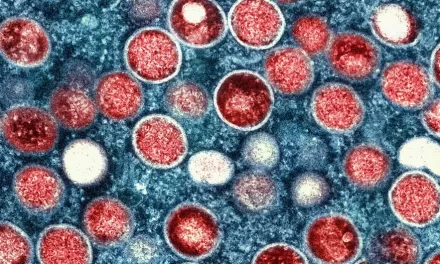
The current emergency stems from a WHO declaration on May 17, 2026, which elevated the Ebola situation in the DRC and Uganda to a global health emergency. The underlying culprit is the Bundibugyo ebolavirus—one of six species within the genus Ebolavirus.
As of late May, epidemiological data paints a sobering picture: while there are 85 laboratory-confirmed cases (including two in Uganda) resulting in 10 confirmed deaths, the true footprint of the disease is likely far wider. In the DRC alone, suspected cases have skyrocketed to 746, with 176 suspected deaths. This discrepancy highlights severe gaps in localized surveillance and diagnostic testing.
While the DRC is tragically well-acquainted with viral hemorrhagic fevers—this marks its 17th Ebola outbreak since the virus was discovered in 1976—this is only the third time in history that the Bundibugyo species has driven the crisis. Previous occurrences were limited to Uganda in 2007 and the DRC in 2012.
The Core Challenge: No Vaccines, No Specific Treatments
The defining complication of the 2026 outbreak is a stark medical reality: the medical countermeasures used to crush recent Ebola outbreaks do not work here. The highly successful Ervebo vaccine and advanced monoclonal antibody treatments (like Ebanga and Inmazeb) were engineered exclusively to target the Zaire ebolavirus strain. They offer no cross-protection against the Bundibugyo variant.
“Unlike for Ebola-Zaire strains, there are currently no approved Bundibugyo virus-specific therapeutics or vaccines,” the WHO noted in its formal emergency determination statement.
John Johnson, the medical lead for epidemic response at Médecins Sans Frontières (MSF / Doctors Without Borders), echoed this critical concern. “Vaccines and treatments now exist for the Zaire virus,” Johnson explained. “But for the Bundibugyo virus—which also causes Ebola disease—no vaccine or treatment has been approved so far.”
Historically, the case fatality rate for Bundibugyo infections ranges from 30% to 50%. While lower than the terrifying 70% to 90% mortality rates associated with untreated Zaire strains, a virus that kills nearly half its victims without tailored countermeasures presents a severe public health threat.
Flipping the Script: Reverting to Pure Public Health Measures
In the absence of a chemical shield or cure, the medical community must rely on foundational public health strategies to disrupt the chain of transmission.
Dr. Samuel Roger Kamba, the DRC’s Minister of Health, emphasized during a joint WHO solidarity mission to the affected city of Bunia that “proven public health measures remain effective in slowing transmission and driving potential full recovery.” These measures include rigorous contact tracing, strict isolation protocols, safe and dignified burials, and robust community education.
Simultaneously, clinical researchers are moving swiftly to find long-term solutions. The WHO has recommended prioritizing two experimental monoclonal antibodies for immediate entry into randomized clinical trials. Furthermore, scientists are evaluating the broad-spectrum antiviral drug obeldesivir as a post-exposure prophylactic measure for high-risk individuals who have come into direct contact with confirmed cases. These trials are being developed jointly with the Africa CDC and local health authorities.
Ground Realities: What This Means for Professionals and the Public
The real-world implications of this crisis differ significantly depending on whether you are working on the front lines or looking at the situation from a distance.
For Healthcare Professionals
The influx of Indian PPE and infection control supplies arrives at a critical moment. At least four healthcare workers have already died after presenting with symptoms consistent with viral hemorrhagic fever. When doctors and nurses lack adequate protective gear, hospitals rapidly transform from centers of healing into amplification hubs for the virus. The aid consignment directly targets this vulnerability, shoring up Infection Prevention and Control (IPC) protocols in resource-constrained clinics.
For the General Public & Health-Conscious Consumers
It is vital to separate clinical gravity from unnecessary panic. Ebola is not an airborne pathogen like influenza or COVID-19; it cannot be contracted by breathing the same air as an infected person. Transmission requires direct contact with the bodily fluids (such as blood, saliva, sweat, or vomit) of a symptomatic individual, contaminated surfaces, or infected wildlife (like fruit bats and non-human primates).
Furthermore, the incubation period spans from 2 to 21 days, and individuals are completely incapable of spreading the virus until they exhibit active symptoms—typically a sudden onset of fever, severe weakness, muscle pain, and sore throat.
The Power of Supportive Care: Even without a specialized antiviral drug, a diagnosis of Bundibugyo Ebola is not a death sentence. Early, aggressive supportive care—including intravenous fluid replacement for electrolyte balance, blood pressure maintenance, oxygen support, and treating secondary infections—dramatically improves survival rates and can guide a patient to full recovery.
Geographic Obstacles and the Road Ahead
Even with 43 tonnes of new supplies on the ground, the path to containing this outbreak faces steep structural hurdles.
First, a severe shortage of virus-specific polymerase chain reaction (PCR) diagnostic kits continues to delay confirmation times, leaving suspected patients in limbo. Second, the eastern region of the DRC is currently navigating a protracted humanitarian crisis characterized by armed conflict and massive population displacement. Deploying medical teams into active conflict zones is inherently dangerous and logistically volatile. Finally, high regional mobility and fluid trade routes across the Uganda-DRC border mean the risk of cross-border spillover remains a constant threat.
While the WHO currently assesses the global risk as low, the threat level inside Central Africa remains dangerously high. India’s latest aid delivery provides the physical materials required to fight back, but ending the outbreak will require sustained global funding, localized clinical trials, and peace on the ground.
Medical Disclaimer
This article is for informational purposes only and should not be considered medical advice. Always consult with qualified healthcare professionals before making any health-related decisions or changes to your treatment plan. The information presented here is based on current research and expert opinions, which may evolve as new evidence emerges.
References
- https://www.ndtv.com/health/india-dispatches-second-tranche-of-medical-aid-to-africa-cdc-to-strengthen-ebola-response-11579161