 0
0
 0
0
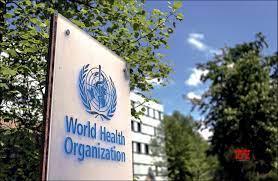
NAIROBI, Kenya — In a major bid to fortify global health systems against rising economic pressures, the World Health Organization (WHO) and its multilateral financial partners announced a significant expansion of the Health Impact Investment Platform (HIIP). Following the platform’s third Steering Committee meeting in Nairobi, technical assistance proposals have been officially approved for Angola and Tajikistan.
The inclusion of these two nations brings the total number of formal HIIP implementing countries to seven, signaling an accelerating effort by international lenders and health authorities to prioritize primary health care (PHC) as the foundational bedrock of universal health coverage. By restructuring how health systems are funded, the initiative aims to protect vulnerable populations from catastrophic out-of-pocket health costs while shifting the medical focus from emergency crisis management to community-based prevention.
Unlocking Capital for Essential Care
Launched as a joint initiative between the WHO, the European Investment Bank (EIB), and the Islamic Development Bank (IsDB), the HIIP addresses a chronic bottleneck in global public health: the fragmentation of international aid and municipal financing. Historically, global health funding has often been siloed into disease-specific initiatives, such as localized programs targeting malaria or tuberculosis. While effective in short-term bursts, this approach frequently leaves local clinics underfunded, understaffed, and ill-equipped to handle everyday medical needs.
The HIIP model operates by flipping this paradigm. It coordinates international development loans and grants to align directly behind a single, government-led national health strategy. According to the WHO, the platform is specifically engineered to help countries plan, prioritize, and implement health investments with maximum efficiency. By providing technical assistance early in the planning pipeline, the platform helps sovereign ministries build rigorous, evidence-based business cases that unlock large-scale loans from multilateral development banks.
The primary target for these combined funds is primary health care—the front lines of medicine encompassing local clinics, community health workers, maternal care units, and routine immunization infrastructure.
Expanding the Global Footprint
Angola and Tajikistan join five existing partner nations currently navigating the platform’s structured investment pipelines: Burundi, Ethiopia, Kazakhstan, the Maldives, and Zambia.
[Global HIIP Footprint (2026)]
├── Africa: Angola, Burundi, Ethiopia, Zambia
├── Central Asia: Kazakhstan, Tajikistan
└── South Asia: Maldives
The approval of technical assistance for Luanda and Dushanbe means health ministries in both countries will immediately begin working with health economists and policy experts to draft operational frameworks. These frameworks will guide millions of dollars in infrastructure development.
The timing of this expansion is critical. The WHO notes that the platform has taken on heightened urgency due to severe global fiscal constraints. High inflation, rising sovereign debt, and a marked decline in traditional development assistance for health have forced developing nations to achieve more with fewer resources. A coordinated investment mechanism reduces administrative redundancies, preventing multiple international donors from inadvertently funding overlapping projects in the exact same districts.
The Economics of Prevention
Public health data consistently indicates that robust primary care is the most equitable and cost-effective pathway to achieving universal health coverage, which ensures all individuals can access necessary medical care without suffering financial ruin.
According to the WHO, approximately 90% of essential health interventions can be delivered through comprehensive primary health care. Investing in localized clinics allows systems to manage chronic diseases—such as hypertension and diabetes—and administer childhood vaccines before minor health concerns escalate into complex, expensive emergencies.
Independent medical professionals underscore the clinical value of this approach.
“When primary care is strong, patients are more likely to get preventive services, earlier diagnosis, and coordinated treatment,” says Dr. Amina J. Patel, a family physician and independent health systems analyst not involved in the HIIP framework. “It transforms medicine from a reactive system that treats advanced illnesses into a proactive system that maintains wellness. Ultimately, this reduces avoidable hospitalizations and improves long-term continuity of care.”
What This Means for Communities
While high-level international finance can seem abstract to the general public, the downstream effects of the HIIP have direct implications for day-to-day healthcare delivery. For residents in participating countries—particularly those in rural or historically underserved regions—a successfully funded primary care system translates to tangible improvements:
-
Reduced Financial Hardship: Closer proximity to free or subsidized clinic services lowers travel expenses and reduces the reliance on expensive private hospital emergency rooms.
-
Enhanced Maternal and Child Safety: Better-funded local clinics mean reliable access to prenatal checkups, skilled birth attendants, and routine infant immunizations.
-
Streamlined Patient Navigation: Rather than forcing patients to self-diagnose and navigate fragmented tertiary hospital networks alone, primary care providers serve as centralized hubs, managing patient histories and arranging direct referrals to specialists when necessary.
Implementation Challenges and Limitations
Despite the strategic promise of the HIIP, international health analysts urge cautious optimism. The recent announcements center on financing mechanisms and technical planning rather than immediate clinical outcomes. The real-world efficacy of these investments depends entirely on local execution.
Furthermore, the WHO’s recent steering committee disclosures do not outline specific timelines, explicit budgetary breakdowns, or immediate clinical outcome targets for the new proposals in Angola and Tajikistan. This lack of public data makes it difficult for independent bodies to monitor the speed and efficacy of the rollouts.
International health policy literature historically demonstrates that funding influxes alone cannot fix broken systems. Without transparent governance, robust local supply chains to prevent medicine stockouts, competitive salaries to retain trained nurses and doctors, and sustained political commitment across changing administrations, even well-capitalized clinics risk falling into disuse.
The bottom line for global health watchers is clear: the expansion of the HIIP proves that the economic architecture for global health reform is evolving to meet tough fiscal realities. However, the true measure of success will not be the size of the loans unlocked in Nairobi, but whether those funds successfully put medical equipment, reliable medicine, and trained hands into the rural clinics where they are needed most.
References
- https://www.who.int/news/item/23-06-2026-hiip-continues-to-broaden-its-global-footprint-with-new-country-partnerships
Medical Disclaimer
Medical Disclaimer: This article is for informational purposes only and should not be considered medical advice. Always consult with qualified healthcare professionals before making any health-related decisions or changes to your treatment plan. The information presented here is based on current research and expert opinions, which may evolve as new evidence emerges.