 0
0
 0
0
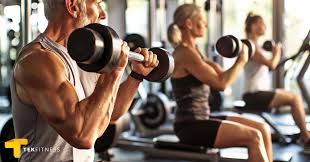
LONDON — Strength training may do far more than simply build muscle or tone tissue. A comprehensive new analysis of three long-running U.S. cohort studies suggests that dedicating approximately 90 to 120 minutes per week to weight training is significantly linked to a lower risk of early death. Crucially, the research reveals that the most profound health longevity benefits occur when resistance training is paired with regular aerobic activities like walking, cycling, or swimming.
Published this month in the British Journal of Sports Medicine, the findings provide compelling, evidence-based data establishing that muscle-strengthening exercises belong alongside traditional cardio in a standard weekly health routine. For public health authorities and everyday individuals alike, the study reframes weightlifting from an athletic pursuit to a vital pillar of preventative medicine.
Inside the Data: What the Research Revealed
The massive analysis drew data from nearly 150,000 registered nurses and healthcare professionals across the United States, tracking participants for up to 30 years. Because the sample size was remarkably robust and spanned decades, researchers recorded nearly 36,000 deaths during the follow-up period. This vast data pool allowed epidemiologists to isolate self-reported strength training habits and examine how they correlated with long-term mortality.
The statistical trends revealed a clear, dose-dependent relationship between muscle-strengthening activities and a extended lifespan:
-
All-Cause Mortality: Individuals who engaged in roughly 90 to 120 minutes of strength training each week experienced a 13% lower risk of dying from any cause compared to those who did no resistance work.
-
Cardiovascular Health: The protective association was even more pronounced for heart health, showing a 19% reduction in the risk of cardiovascular-related deaths.
-
Neurological Protection: Most strikingly, regular weight training was associated with a 27% lower risk of neurological deaths, driven primarily by a reduction in fatal dementia cases.
However, the headline discovery emerged when looking at mixed modalities. The lowest overall mortality risk was found in people who combined their weekly strength routine with at least the federally recommended amount of moderate aerobic activity. For this balanced group, the reduction in early death risk reached an astonishing 45%.
Biology Beyond the Bicep: Why Muscle Matters
For decades, cardio was king in the realm of life-extension advice. However, this study underscores a biological reality that public health experts have long tried to broadcast: skeletal muscle is a highly active endocrine organ. It does not just move our bones; it dynamically regulates global metabolism.
When an individual lifts weights, they build and maintain lean muscle mass, which serves as the body’s primary sink for clearing glucose. More muscle translates to better insulin sensitivity and improved blood sugar regulation. Furthermore, regular resistance training alters systemic biology by lowering biomarkers of chronic, low-grade inflammation. Because chronic inflammation is a known driver of coronary artery disease, type 2 diabetes, and various malignancies, keeping it in check yields widespread systemic benefits.
From a vascular standpoint, contracting muscles release signaling molecules that help keep arterial walls flexible, which can naturally lower resting blood pressure over time. Beyond the cellular chemistry, there is also a blunt mechanical benefit. Stronger muscles preserve joint integrity, balance, and motor control. In an aging population, maintaining physical strength drastically reduces the incidence of catastrophic falls, bone fractures, and the onset of frailty, allowing older adults to maintain independent living much longer.
The Power of the “Combo” Workout
The findings mirror earlier data highlighted by Harvard Health Publishing, which evaluated a separate cohort of nearly 100,000 older adults between the ages of 55 and 74. In that historical review, weightlifting alone was associated with a 9% to 22% lower risk of mortality, while pairing weights with aerobic conditioning slashed risk by 41% to 47%.
“The consistency we are seeing across different large-scale populations is incredibly reassuring,” says Dr. Aris Subedi, a preventative medicine specialist and cardiologist who was not involved in the new study. “What this tells us is that cardio and strength training are not redundant; they are synergistic. Cardio builds your engine and clears your pipes, while resistance training preserves your structural frame and optimizes your metabolic factory. You need both.”
The practical takeaway for the public is highly encouraging. Achieving these milestones does not require hours of daily powerlifting or expensive gym memberships. Splitting the target into two 45-minute or three 40-minute full-body sessions per week is completely sufficient to capture the observed longevity benefits, provided it is layered over an active lifestyle.
Limitations of the Evidence
While the findings are groundbreaking, independent epidemiologists urge a measured interpretation of the data.
First and foremost, this was an observational study. By design, observational research can establish strong correlations, but it cannot definitively prove that lifting weights directly causes a longer lifespan. It remains entirely possible that individuals who choose to lift weights are inherently more health-conscious, possess higher health literacy, or enjoy greater socioeconomic stability, which impacts their healthcare access. While the study’s authors adjusted their statistical models for variables like baseline diet, smoking status, and aerobic exercise levels, residual confounding factors can never be completely ruled out.
Additionally, the exercise data relied entirely on self-reporting. Participants recalled their weekly exercise minutes from memory, leaving room for inaccuracies regarding the actual intensity, weight loads, or movement techniques. The study also could not differentiate between the efficacy of free weights, specialized resistance machines, or calisthenics (bodyweight exercises like push-ups and squats). Lastly, the patterns were not uniform across all diseases; for instance, the risk reduction for cancer mortality was only observed with lower, more modest amounts of strength training, hinting that different biological mechanisms are at play for different pathologies.
Blueprint for a Balanced Routine
For the average citizen, this study offers a realistic, highly achievable roadmap rather than an extreme mandate. Public health guidelines recommend that instead of pushing for maximum intensity, adults should aim for a balanced, sustainable routine.
A standard, protective weekly routine should ideally feature:
-
Aerobic Activity: At least 150 minutes of moderate cardio (such as brisk walking) spread across the week.
-
Strength Training: Two non-consecutive days dedicated to targeting the body’s major muscle groups: legs, hips, back, chest, core, shoulders, and arms.
Crucially, fitness is not a one-size-fits-all endeavor. Older adults, individuals living with underlying chronic illnesses, or those transitioning out of a sedentary lifestyle should avoid diving straight into heavy lifting. Beginning with low-impact bodyweight movements, resistance bands, or guided gym machines is an excellent way to safely build baseline structural strength while minimizing injury risk. The overarching public health message is not that lifting weights is a magical shield against aging, but rather that muscle-strengthening activity is an indispensable tool for long-term health, vitality, and resilience.
References
- https://health.economictimes.indiatimes.com/news/industry/people-who-lift-weights-live-longer-new-study/131932727?utm_source=top_story&utm_medium=homepage
Medical Disclaimer: This article is for informational purposes only and should not be considered medical advice. Always consult with qualified healthcare professionals before making any health-related decisions or changes to your treatment plan. The information presented here is based on current research and expert opinions, which may evolve as new evidence emerges.