 0
0
 0
0
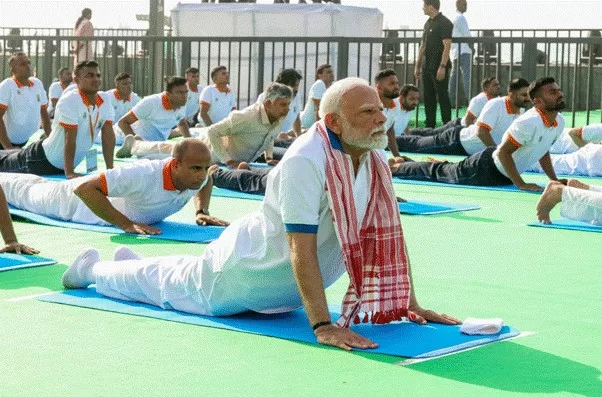
AHMEDABAD, INDIA — Speaking at the inaugural session of the First World Yogasana Championship in Ahmedabad on June 4, 2026, Prime Minister Narendra Modi underscored the transformative power of yoga as a global movement for health, well-being, and active living. The address comes as nations worldwide prepare for the 12th International Day of Yoga (IDY) on June 21, 2026, which this year focuses on the theme “Yoga for Healthy Ageing.”
With global populations aging at unprecedented rates, the call to action highlights a shifting paradigm in modern healthcare: prioritizing preventative, accessible lifestyle interventions to mitigate the burden of chronic disease. Modi called upon the international community to move beyond sporadic participation and embrace yoga as a permanent, daily practice.
From Ancient Practice to Public Health Strategy
The Prime Minister recalled India’s 2014 initiative at the United Nations to establish the International Day of Yoga, noting with satisfaction that yoga, meditation, and pranayama (breath control) have transitioned from traditional practices into mainstream global public health strategies.
To sustain this momentum year-round, the Government of India, through the Ministry of Ayush, is heavily promoting its “Yoga 365” initiative. The campaign positions yoga not as a once-a-year celebration, but as a daily preventative healthcare tool requiring minimal resources while delivering lifelong biological and psychological benefits.
The Science of “Yoga for Healthy Ageing”
As the global medical community shifts its focus from merely extending lifespan (years lived) to optimizing healthspan (years lived free from chronic disease), clinical research is increasingly validating yoga’s systemic benefits.
According to data from the World Health Organization (WHO), by 2030, one in six people worldwide will be aged 60 or over. Managing age-related decline—specifically functional mobility, cognitive degradation, and cardiovascular health—has become a top priority for healthcare systems.
       ┌────────────────────────────────────────────────────────┐
       │   HOW YOGA PROMOTES HEALTHY AGEING: SYSTEMIC EFFECTS   │
       └───────────────────────────┬────────────────────────────┘
                                   │
         ┌─────────────────────────┼─────────────────────────┐
         ▼                         ▼                         ▼
 ┌───────────────┐         ┌───────────────┐         ┌───────────────┐
 │ Neuromuscular │         │ Neuroplastic  │         │  Biochemical  │
 ├───────────────┤         ├───────────────┤         ├───────────────┤
 │ Improves      │         │ Increases     │         │ Downregulates │
 │ proprioception│         │ gray matter   │         │ cortisol and  │
 │ & stability to│         │ volume; aids  │         │ inflammatory  │
 │ reduce falls  │         │ memory        │         │ cytokines     │
 └───────────────┘         └───────────────┘         └───────────────┘
1. Cellular Longevity and Inflammation
Chronic, low-grade inflammation—often termed “inflammaging”—is a primary driver of age-related diseases like osteoarthritis, type 2 diabetes, and cardiovascular decline. A comprehensive review published in Frontiers in Human Neuroscience demonstrated that regular yoga practice significantly downregulates pro-inflammatory cytokines (such as IL-6 and TNF-alpha) while reducing cortisol production, the body’s primary stress hormone.
2. Neuroplasticity and Cognitive Preservation
Aging is frequently accompanied by a reduction in brain gray matter volume, particularly in regions responsible for memory and executive function. However, neuroimaging studies compiled by the National Institutes of Health (NIH) reveal that older adults who practice yoga regularly show preserved gray matter volume in the hippocampus and prefrontal cortex. This suggests that the combined cognitive engagement of focused breathing, mindfulness, and physical coordination may actively support neuroplasticity—the brain’s ability to reorganize and form new neural connections.
3. Fall Prevention and Musculoskeletal Integrity
Falls remain the leading cause of injury-related hospitalizations among individuals aged 65 and older. Yoga addresses this directly by improving proprioception—the body’s ability to perceive its position and movement in space. Clinical trials published in the Journal of Geriatric Physical Therapy indicate that structured yoga protocols tailored for seniors yield measurable improvements in static balance, dynamic mobility, and lower-body muscular endurance.
Expert Perspectives: Integration into Western Medicine
Independent medical experts emphasize that while yoga is not a cure-all, its integration into standard geriatric care portfolios represents a significant step forward.
“What makes yoga uniquely effective for an aging population is its multi-component nature,” notes Dr. Elizabeth Barrett, an independent geriatrician and researcher at the Healthy Aging Institute, who was not involved in the Ayush initiatives. “Unlike isolated resistance training or stationary cardio, yoga simultaneously challenges the neuromuscular system, demands focused cognitive attention, and regulates autonomic nervous system activity. It targets the physical and psychological vulnerabilities of aging at the same time.”
Dr. Barrett also emphasizes the economic accessibility of the practice. “From a public health perspective, yoga requires no expensive machinery or specialized facilities. In resource-limited settings, that makes it an incredibly democratic form of preventative medicine.”
Navigating the Limitations: A Balanced Medical View
Despite the robust clinical data supporting yoga, sports medicine professionals urge caution regarding its implementation, particularly for older adults or individuals managing pre-existing clinical conditions.
┌──────────────────────────────────────────────────────────────────────────┐
│                      CLINICAL SAFETY CONSIDERATIONS                      │
├───────────────────┬──────────────────────────────────────────────────────┤
│ Condition         │ Risk / Modification Strategy                         │
├───────────────────┼──────────────────────────────────────────────────────┤
│ Osteoporosis      │ Avoid deep spinal flexion (forward folds) and severe │
│                   │ twists to minimize vertebral compression fracture   │
│                   │ risks. Focus on gentle extension and axial extension.│
├───────────────────┼──────────────────────────────────────────────────────┤
│ Glaucoma          │ Strictly avoid sustained inversions (e.g., downward  │
│                   │ dog, headstands) that elevate intraocular pressure.   │
├───────────────────┼──────────────────────────────────────────────────────┤
│ Advanced          │ Utilize chair yoga protocols to completely remove    │
│ Osteoarthritis    │ floor-to-standing transition hazards and joint load. │
└───────────────────┴──────────────────────────────────────────────────────┘
Medical experts emphasize that the commercialization of yoga has occasionally led to styles—such as high-temperature “hot yoga” or extreme, hyper-flexible vinyasa flows—that may be highly inappropriate for older demographics. Dehydration, joint hyperextension, and acute cardiovascular strain are genuine risks if the practice is not properly adapted. For yoga to safely serve as a global health strategy, standardized, evidence-based training for instructors teaching vulnerable or elderly populations remains essential.
Global Call to Mobilization
As the June 21 celebrations approach, the Ministry of Ayush is coordinating with international health bodies, educational institutions, and civic communities to host accessible, modified sessions worldwide. The overarching goal of the 2026 campaign is to establish localized infrastructure that transitions citizens from passive observers into active participants of the “Yoga 365” philosophy.
By blending ancient holistic frameworks with rigorous, evidence-based modern medical insights, the international community aims to rewrite the narrative of aging—turning what has historically been viewed as a period of inevitable physical decline into a phase of sustained vitality, resilience, and active contribution to society.
Medical Disclaimer
This article is for informational purposes only and should not be considered medical advice. Always consult with qualified healthcare professionals before making any health-related decisions or changes to your treatment plan. The information presented here is based on current research and expert opinions, which may evolve as new evidence emerges.
References and Sources
-
Government Announcement: Press Information Bureau (PIB) Delhi, Government of India. Prime Minister Highlights Yoga’s Expanding Global Impact, Calls for Greater Participation in International Day of Yoga 2026. Published June 4, 2026.