 0
0
 0
0
April 10, 2026
In a landmark move to fortify global defenses against emerging diseases, three of the world’s most influential health and agricultural organizations have announced a unified front. The Food and Agriculture Organization of the United Nations (FAO), the World Health Organization (WHO), and the World Organisation for Animal Health (WOAH) officially launched the Joint One Health Learning Taskforce yesterday, April 9, 2026.
This new coordination mechanism is designed to bridge the long-standing gaps between human medicine, veterinary science, and environmental health. By transforming how the global workforce is trained, the Taskforce aims to ensure that the next “Disease X” is caught at the animal or environmental interface before it becomes a human catastrophe.
The “One Health” Imperative: Why Now?
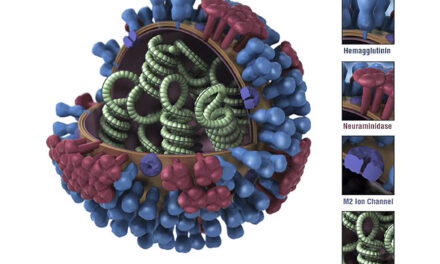
For decades, the medical community has largely operated in silos. Doctors treated humans, veterinarians treated livestock and wildlife, and ecologists monitored the land. However, the COVID-19 pandemic and the recent global spread of highly pathogenic avian influenza (H5N1) have proven that these boundaries are dangerously porous.
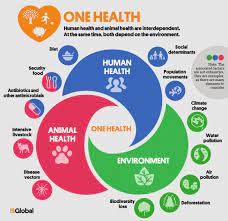
The “One Health” approach recognizes that the health of people is closely connected to the health of animals and our shared environment. According to the CDC, more than 60% of known infectious diseases in people can be spread from animals, and 75% of new or emerging infectious diseases in people come from animals.
“We can no longer afford to learn in isolation,” says Dr. Elena Rossi, an independent global health policy expert not affiliated with the taskforce. “The establishment of this Taskforce marks a shift from reactive crisis management to proactive, systemic prevention. It’s about teaching the people on the front lines to see the forest, not just the trees.”
Building a “Super-Workforce”
The Taskforce is not merely a policy group; it is a pedagogical powerhouse. By pooling the resources of the WHO Academy, the FAO eLearning Academy, and the WOAH Training Platform, the initiative will create a standardized, competency-based curriculum for health professionals worldwide.
Key Objectives of the Taskforce:
-
Technical Integration: Providing expert advice on joint training programs that combine human and animal health data.
-
Harmonization: Creating a “common language” for health professionals to reduce confusion during cross-sector emergencies.
-
Scalability: Leveraging digital platforms to train health workers in low-resource settings who are often the first to encounter zoonotic spillovers.
The goal is to equip the workforce with “cross-cutting competencies”—skills that allow a livestock inspector in Southeast Asia, for instance, to communicate seamlessly with a local epidemiologist and an environmental scientist when an unusual cluster of respiratory illness appears in both poultry and farmers.
Expert Perspectives: From Theory to Practice
While the announcement has been met with widespread acclaim, experts emphasize that the success of the Taskforce will depend on local implementation.
“The challenge has always been the ‘silo’ mentality at the national level,” notes Dr. Marcus Thorne, a specialist in infectious diseases. “While the WHO and FAO may be talking to each other in Geneva, the Ministry of Health and the Ministry of Agriculture in a developing nation might not have a shared budget or a shared computer system. This Taskforce’s focus on ‘workforce capacity’ is the right move because it starts with the people, not just the paperwork.”
Furthermore, the Taskforce emphasizes a learner-centered approach, recognizing that a veterinarian in rural Brazil has different needs than a public health official in London. By providing “lifelong learning opportunities,” the initiative ensures that the workforce stays updated as pathogens evolve and new environmental threats, such as climate-driven migration of disease vectors, emerge.
Public Health Implications: What This Means for You
For the average citizen, a “Learning Taskforce” might sound like bureaucratic jargon, but its implications for daily life are profound.
-
Earlier Detection: Better-trained workers mean outbreaks are identified at the source. This can prevent the lockdowns and travel restrictions that occur when a virus has already achieved community spread.
-
Food Safety: By integrating plant and animal health into the medical loop, the Taskforce helps secure the global food chain against contaminants and antibiotic-resistant bacteria.
-
Climate Resilience: As the climate changes, diseases like Malaria and Lyme move into new territories. A One Health-trained workforce is better prepared to predict these shifts.
Limitations and Challenges
Despite the optimistic outlook, the Taskforce faces significant hurdles. Critics point out that “One Health” initiatives have historically struggled with funding imbalances, where human health sectors receive the lion’s share of resources compared to environmental or veterinary sectors.
Additionally, the Taskforce must navigate diverse cultural and political landscapes. Implementing a “harmonized” terminology across 194 member states is a monumental task. There is also the risk that without binding international treaties, the recommendations of the Taskforce may remain optional for some governments.
A United Vision for the Future
The FAO, WHO, and WOAH have made it clear: the Taskforce is a reaffirmation of a joint commitment to a more resilient world. By pooling technical, intellectual, and financial resources, they are betting that education is the most effective vaccine against future pandemics.
As the Taskforce begins its work this spring, the eyes of the global health community will be on how effectively these three giants can turn “One Health” from a concept into a global standard of practice.
Medical Disclaimer
Medical Disclaimer: This article is for informational purposes only and should not be considered medical advice. Always consult with qualified healthcare professionals before making any health-related decisions or changes to your treatment plan. The information presented here is based on current research and expert opinions, which may evolve as new evidence emerges.
Reference Section
Primary Source:
-
FAO/WHO/WOAH. (2026, April 9). Joint Statement: FAO/WHO/WOAH Joint One Health Learning Taskforce Establishment. [Departmental Update].
Supporting Scientific Data:
-
Centers for Disease Control and Prevention (CDC). (2024). Zoonotic Diseases. [https://www.cdc.gov/onehealth/basics/zoonotic-diseases.html]