 0
0
 0
0
BUNIA, DEMOCRATIC REPUBLIC OF THE CONGO — The World Health Organization (WHO) has declared a Public Health Emergency of International Concern (PHEIC) following a rapidly escalating outbreak of the rare Bundibugyo ebolavirus strain in the Democratic Republic of the Congo (DRC) and neighboring Uganda. The crisis hit closer to home for the international medical community on Sunday, May 17, 2026, when the U.S. Centers for Disease Control and Prevention (CDC) confirmed that an American missionary physician tested positive for the virus after treating patients in an eastern Congolese hospital. The outbreak has already caused more than 300 suspected cases and at least 118 deaths across the region, sparking aggressive global travel restrictions and intensive contact-tracing efforts.
The infected physician, identified as Dr. Peter Stafford, has been serving with the medical-missionary organization Serge at the Nyankunde Mission Hospital in Bunia since 2023. According to CDC Ebola-response incident manager Satish K. Pillai, Dr. Stafford developed symptoms over the weekend and tested positive on Sunday. U.S. and international authorities have finalized emergency protocols to evacuate Dr. Stafford to a specialized biocontainment facility in Germany for advanced care.
The Diagnostics Gap: How a Rare Strain Evaded Detection
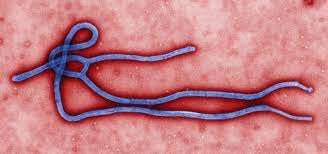
The current outbreak is uniquely challenging because it involves the Bundibugyo ebolavirus, a distinct and rare species of the virus. First identified in 2007, this marks only the third time in history that the Bundibugyo strain has been detected. Because more than 20 Ebola outbreaks in the region since 1976 have predominantly featured the more lethal but highly familiar Zaire ebolavirus, initial public health responses were caught off guard.
Local health officials and global policy analysts report that the virus circulated silently for several weeks due to a critical diagnostic blind spot: early laboratory tests were calibrated specifically to identify the Zaire strain.
“Because early tests looked for the wrong strain of Ebola, we got false negatives and lost weeks of response time,” explained Matthew M. Kavanagh, director of the Georgetown University Center for Global Health Policy and Politics.
This testing lag allowed the virus to ripple outward from its initial cluster in Bunia—a city of roughly 400,000 residents—into surrounding mining communities and dense urban transit hubs, including Goma, Mongbwalu, and Butembo. The heavily interconnected border zone facilitated its spread into Uganda, where at least two deaths have now been linked to imported cases.
Clinical Challenges: No Approved Vaccine or Targeted Therapy
Unlike the Zaire strain, which can be combated with highly effective, regulatory-approved vaccines (such as Ervebo) and monoclonal antibody treatments (like Inmazeb and Ebanga), no approved vaccine or specific antiviral treatment currently exists for the Bundibugyo strain.
| Ebola Virus Strain | Approved Vaccine Available? | Approved Monoclonal Antibodies? | Historical Frequency |
| Zaire Ebolavirus | Yes (Ervebo) | Yes (Inmazeb, Ebanga) | Common / Highly frequent |
| Bundibugyo Ebolavirus | No | No | Rare (3rd documented outbreak) |
This therapeutic deficit complicates clinical management and containment. Ebola viruses are highly contagious through direct contact with infected bodily fluids—including blood, vomit, feces, and semen. Furthermore, health agencies warn that the virus can persist in immunologically privileged body sites for weeks or even months after a patient makes a full clinical recovery.
In response, the DRC Health Ministry has established three specialized Ebola treatment centers and is aggressively scaling up isolation and supportive-care capacity. The WHO has dispatched specialized epidemiologists and emergency medical supplies to the affected eastern provinces of Ituri and North Kivu.
U.S. Countermeasures and Global Impact
While the CDC has reassured the public that the immediate threat to the general U.S. population remains “low”—emphasizing that Ebola is not airborne and requires direct physical contact with symptoms or contaminated surfaces—the agency has moved swiftly to mitigate domestic entry risks.
The U.S. government has initiated enhanced entry screening protocols for air travelers arriving from or traveling through the affected zones. Temporary entry restrictions have been placed on non-U.S. passport holders who have visited the DRC, Uganda, or parts of South Sudan within the past 21 days. Additionally, the U.S. Embassy in Kampala, Uganda, has temporarily suspended certain visa services, and the CDC is coordinating the safe withdrawal, isolation, and clinical monitoring of at least six other Americans who may have suffered exposure alongside Dr. Stafford.
Independent infectious disease experts note that this outbreak is unfolding in a geopolitical landscape shaped by conflict, displacement, and recent funding contractions for global health monitoring. However, public health leaders emphasize that traditional containment strategies remain profoundly effective.
“The lack of a strain-specific vaccine does not mean we have no tools,” noted a WHO-affiliated epidemiologist speaking on the ground under standard protocol. “Aggressive supportive care, rigorous intravenous fluid management, and absolute adherence to strict infection-control protocols can drastically reduce patient mortality.”
What This Means for Consumers and International Travelers
For the general public living outside of Central Africa, there is no cause for panic. Public health authorities recommend that individuals planning essential travel to the DRC, Uganda, or neighboring regions adhere strictly to the following preventative measures:
-
Avoid Physical Contact: Stay away from individuals displaying symptoms of illness (fever, severe headache, muscle pain, vomiting, diarrhea, or unexplained bleeding) and avoid traditional funeral practices that involve handling deceased bodies.
-
Practice Strict Hand Hygiene: Frequently wash hands with soap and water or use alcohol-based hand sanitizer. Avoid contact with potentially contaminated surfaces or items.
-
Monitor Health Post-Travel: Anyone who has traveled to the outbreak zone must monitor their health for 21 days. If any symptoms develop, they should self-isolate immediately and contact local public health authorities or a medical facility via phone before arriving.
-
Clinical Vigilance: Healthcare providers worldwide are urged to obtain detailed travel histories for patients presenting with acute febrile illnesses and to reinforce robust personal protective equipment (PPE) protocols.
The international response is now a race against time to map transmission chains and implement community-level interventions, such as safe burials and public health education, to halt the rare strain’s path.
Medical Disclaimer
This article is for informational purposes only and should not be considered medical advice. Always consult with qualified healthcare professionals before making any health-related decisions or changes to your treatment plan. The information presented here is based on current research and expert opinions, which may evolve as new evidence emerges.
References
-
NBC News. “American working in Congo tests positive for Ebola, CDC says.” May 18, 2026.