 0
0
 0
0
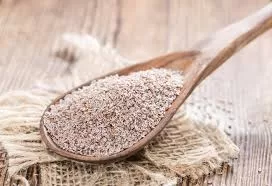
NEW DELHI — A new randomized controlled trial conducted in the Delhi-National Capital Region (NCR) suggests that incorporating traditional millets into a structured diet may significantly enhance the effectiveness of standard micronutrient supplements. The study found that combining a millet-based diet with vitamin therapy led to greater improvements in serum vitamin B12, vitamin D, and haemoglobin levels than supplements alone, with the most pronounced benefits observed in women.
However, public health experts urge a cautious interpretation of the data. Published recently in Discovery Mental Health, the preliminary study indicates that while these ancient grains may optimize how the body processes nutrients, they do not directly supply these specific vitamins and should not be viewed as a standalone cure for clinical deficiencies.
Synergistic Effects: The Key Findings
The 60-day randomized trial was conducted among 54 adults aged 18 to 45 at the National Association of the Blind in Delhi-NCR. Researchers divided participants into two distinct cohorts:
-
The Control Group: Received standard oral vitamin D, vitamin B12, and multi-vitamin supplementation.
-
The Intervention Group: Received identical vitamin supplements alongside a structured, millet-based diet.
By the conclusion of the two-month study, the intervention group demonstrated a stark statistical advantage in nutrient recovery. Participants consuming millets recorded a median increase in vitamin B12 of $302\text{ pg/mL}$, compared to a modest rise of $78\text{ pg/mL}$ in the control group.
The variance was particularly striking among female participants regarding vitamin D status. Women in the millet-diet arm saw their vitamin D levels climb by $49.9\text{ ng/mL}$, whereas those relying solely on supplements experienced an increase of $31.7\text{ ng/mL}$. Furthermore, female participants in the millet group showed significant improvements in overall haemoglobin levels. Beyond physiological markers, the researchers reported secondary benefits, including improved scores for meta-cognitive skills and reduced markers for disordered eating within the millet-consuming cohort.
Addressing a Silent Public Health Crisis
These findings arrive at a critical juncture for public health in India, where hidden hunger—or chronic micronutrient deficiency—remains highly prevalent. Modern dietary shifts have led to highly processed, cereal-heavy diets that lack agricultural and nutritional diversity.
According to a comprehensive systematic review and meta-analysis published in PubMed, the pooled prevalence of vitamin B12 deficiency in India stands at an estimated 53%, while vitamin D deficiency affects approximately 61% of the population. The World Health Organization (WHO) has repeatedly emphasized that sustained deficiencies in essential micronutrients like iron, folate, and vitamins B12 and A are primary drivers of nutritional anaemia, culminating in widespread public health challenges such as chronic fatigue, muscle weakness, and cognitive impairment.
While millets are naturally rich in dietary fibre, essential minerals, and certain B-complex vitamins, they do not inherently contain vitamin B12 or vitamin D. Consequently, scientists hypothesize that the observed boost is mechanical rather than direct. The high-fibre matrix of millets is believed to optimize the gut microbiome and improve intestinal health, thereby enhancing the bioavailability and absorption of the co-administered oral supplements.
Expert Commentary and Methodological Limitations
Independent medical professionals underline the importance of balanced reporting when analyzing these results. Vitamin B12 is synthesized primarily by bacteria and is naturally obtained via animal-source foods or direct supplementation, whereas vitamin D requires ultraviolet light exposure or fat-soluble dietary intake to maintain calcium homeostasis and bone density.
“The study offers an intriguing signal that whole grains like pearl millet can play a supportive role in metabolic health,” noted an independent clinical endocrinologist not involved in the trial. “However, we must avoid the narrative that eating millets allows a patient to bypass formal medical evaluation or drop their prescribed supplements. The primary driver of the nutrient recovery in this study was still the high-dose supplementation.”
Journalistic objectivity requires highlighting several key limitations of the trial:
-
Sample Size: The study evaluated only 54 participants, which severely limits its statistical power.
-
Demographic Bias: The subgroup of male participants was exceptionally small, making it difficult to generalize the gender-specific benefits to the broader public.
-
Study Duration: At just 60 days, the trial cannot confirm long-term clinical efficacy or sustained haematological safety.
-
Indirect Mechanisms: Although the authors proposed that gut microbiota modulation was responsible for the increased absorption, the study did not directly sequence or analyze the participants’ gut microbiomes.
Practical Actionable Advice for Consumers and Clinicians
For health-conscious consumers, the practical takeaway is clear: millets should be embraced as a highly nutritious component of a diverse diet rather than a therapeutic silver bullet.
Dietary Best Practice: To safely manage micronutrient levels, integrate grains like sorghum, ragi, or pearl millet alongside reliable sources of B12 (such as dairy, fortified foods, or meats) and adequate vitamin D synthesis or therapy.
Persistent symptoms like numbness in the extremities, chronic lethargy, bone pain, or severe hair loss warrant formal diagnostic blood panels and clinician-guided treatment rather than self-directed dietary adjustments.
For healthcare providers, this research adds to a growing foundation of evidence supported by organizations like the Indian Council of Agricultural Research (ICAR). It suggests that integrating traditional agronomic staples into structured medical nutrition therapy can effectively augment standard pharmacological interventions, presenting an accessible, culturally familiar pathway toward mitigating widespread nutritional deficiencies.
References
- https://health.economictimes.indiatimes.com/news/industry/millet-diet-likely-to-improve-vitamin-b12-vitamin-d-levels-delhi-trial/131167603?utm_source=top_story&utm_medium=homepage
Medical Disclaimer: This article is for informational purposes only and should not be considered medical advice. Always consult with qualified healthcare professionals before making any health-related decisions or changes to your treatment plan. The information presented here is based on current research and expert opinions, which may evolve as new evidence emerges.