 0
0
 0
0
Health authorities in Ghaziabad began an intensified, year-round polio vaccination campaign in July 2026 after routine environmental surveillance detected vaccine-derived poliovirus type 1 (VDPV-1) in a sewage sample collected from the Dundahera sewage treatment plant in June. Local officials emphasize that the finding serves as an early-warning signal of immunity gaps rather than evidence of wild poliovirus transmission. In response, the district health department has deployed more than 100 field teams to close immunization gaps across 12 high-risk neighborhoods, ensuring that vulnerable populations are thoroughly protected.
The Response: Key Developments and Numbers
Following the routine environmental sewage sample detection in early June, the Ghaziabad district health department immediately scaled up its pulse polio activities and local surveillance.
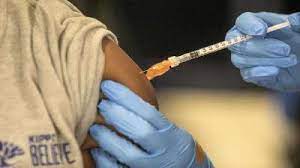
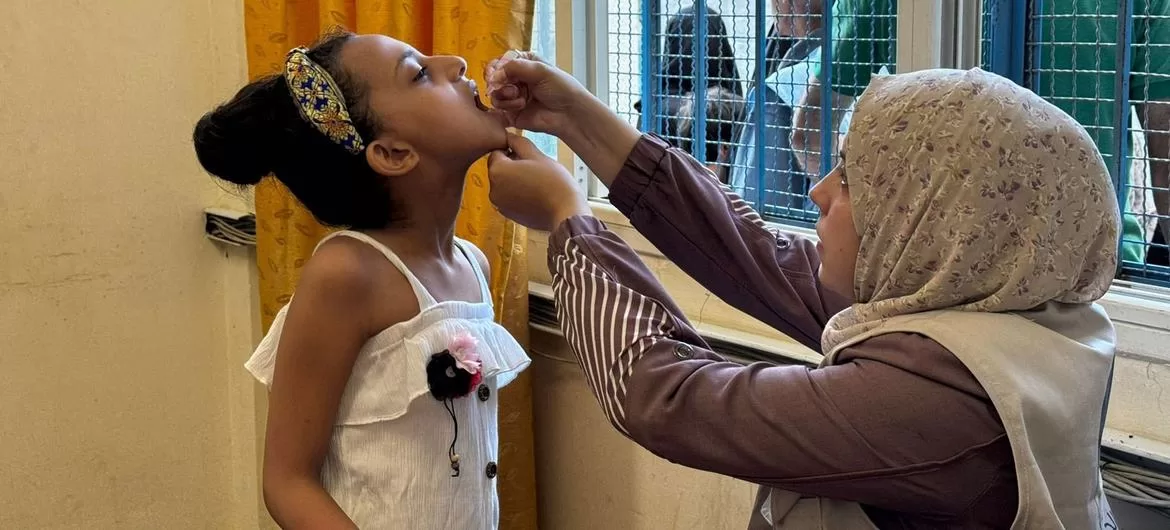
To manage the response effectively, authorities mapped out approximately 12 neighborhoods—encompassing a population of roughly 150,000 people—identified as higher-risk zones due to dense housing or historically lower immunization coverage. More than 100 field teams have been deployed for rigorous door-to-door screening and the administration of oral polio vaccine (OPV) drops to all children under five years of age.
Ghaziabad Polio Response Metrics (2026)
┌─────────────────────────────────┬─────────────────────────────────┐
│ Metric                          │ Current Operational Scale       │
├─────────────────────────────────┼─────────────────────────────────┤
│ Target High-Risk Neighborhoods   │ 12 localities                   │
│ Affected Population Area        │ ~150,000 residents              │
│ Children Vaccinated YTD         │ Over 711,000 children           │
│ Planned Vaccination Booths      │ Expanding from 1,700 to 3,000+  │
│ Field Teams Deployed            │ 100+ active frontline teams     │
└─────────────────────────────────┴─────────────────────────────────┘
So far this year, more than 711,000 children across the district have received polio drops through various door-to-door campaigns. To plug any remaining coverage gaps permanently, health officials announced plans to expand the number of temporary vaccination booths from approximately 1,700 to over 3,000. Furthermore, urban Primary Health Centres (PHCs) will transition to offering polio drops year-round, moving away from strictly fixed-period drives to ensure continuous clinical availability.
Understanding VDPV: What Was Detected and What It Means
The virus identified in the wastewater sample is a vaccine-derived poliovirus (VDPV-1), which is distinct from the wild poliovirus.
VDPVs originate from the live, weakened virus contained within the oral polio vaccine (OPV). When children receive OPV, the weakened vaccine virus replicates in their intestines for a short period to stimulate antibodies, and is subsequently excreted in their stool. In areas with adequate sanitation and high community immunity, this excreted virus simply dies out. However, if the virus circulates for a prolonged period (typically 12 months or more) in under-immunized communities, it can genetically mutate. In rare instances, these mutations allow the virus to regain neurovirulence, meaning it can cause paralytic polio just like the wild strain.
Public health officials stress that this single environmental detection does not mean wild polio has returned, nor does it indicate a clinical outbreak. Instead, the detection demonstrates that the environmental surveillance system is functioning precisely as designed—acting as an algorithmic smoke alarm to flag potential immunity gaps before any cases of paralysis manifest.
Expert Perspectives on Wastewater Surveillance
Independent public health experts and epidemiologists emphasize that wastewater testing is one of the most sensitive, pre-clinical tools in modern epidemiology.
“Environmental surveillance allows us to detect the presence of poliovirus RNA weeks or months before a single clinical case of paralysis appears,” notes Dr. Anurag Agarwal, an independent epidemiologist not involved in the Ghaziabad response. “This gives public health systems a massive head start to deploy targeted, preventative immunizations and neutralize transmission chains.”
Epidemiologists also point out that the appearance of vaccine-derived strains reflects a localized shortfall in immunization delivery rather than a failure of the vaccine itself. The standard, evidence-based public health protocol for managing a VDPV detection is to rapidly flood the area with routine and supplemental vaccine campaigns to elevate collective immunity beyond the threshold the virus needs to survive.
Context, History, and Public Health Implications
India achieved a historic public health milestone when it was certified free of indigenous wild poliovirus transmission by the World Health Organization (WHO) in 2014, following decades of rigorous mass immunization.
Timeline of India's Polio Eradication Architecture
[2011] Last case of Wild Poliovirus detected in India
  │
[2014] WHO certifies India "Polio-Free"
  │
[Present-2026] Continuous environmental surveillance triggers proactive responses
However, because the virus can still be shed in stool networks, ongoing environmental surveillance remains a critical component of global post-certification protocol. Similar detections of vaccine-derived polioviruses have occurred sporadically across major urban centers in India and neighboring regions over the past decade. Each instance has been successfully contained through rapid local immunization campaigns, underscoring that constant vigilance is required as long as oral vaccines are utilized globally.
For the residents of Ghaziabad, the practical public health directive is straightforward: maintaining community immunity is the only barrier against poliovirus circulation. The expansion of booth networks and year-round availability at urban PHCs are operational measures designed to reduce the number of “missed children”—especially migrating populations or those living in informal settlements who may slip through the cracks of fixed-date pulse campaigns.
Limitations of Sewage Data and Counterarguments
While environmental surveillance is highly sensitive, it has notable limitations. A positive sewage sample cannot determine whether the detected virus is actively circulating widely within the population or if it represents transient shedding from a single, recently vaccinated individual who passed through the area.
Precisely assessing the true community risk requires sophisticated genomic analysis, virus sequencing, and parallel acute flaccid paralysis (AFP) case surveillance within local hospitals.
Furthermore, some public health communication experts warn that isolated environmental findings can cause undue panic if not framed carefully. Public health reporting must balance transparent data-sharing with clear reassurance that intensified vaccination efforts are precautionary, precautionary measures, rather than a crisis response to an active epidemic of paralysis.
Actionable Advice for Parents and Caregivers
The finding serves as a reminder for families to audit and prioritize preventive care. Public health authorities advise the following steps:
-
Audit Immunization Records: Ensure your child’s routine immunization schedule is completely up-to-date, including all recommended doses of both the Inactivated Polio Vaccine (IPV) and Oral Polio Vaccine (OPV).
-
Participate in Supplemental Drives: Even if your child is fully immunized through routine schedules, accept additional vaccine drops during supplemental door-to-door campaigns. Extra doses safely boost mucosal immunity and protect the broader community.
-
Utilize Local Resources: Take advantage of the newly expanded year-round vaccination services available at urban Primary Health Centres (PHCs) if you miss a scheduled drive.
High community participation remains the definitive tool to stop viral transmission before it can cause clinical disease.
References
Study & Media Citations
-
“Ghaziabad rolls out year‑round vaccination after poliovirus detected in sewage,” The Times of India, July 8, 2026
Medical Disclaimer: This article is for informational purposes only and should not be considered medical advice. Always consult with qualified healthcare professionals before making any health‑related decisions or changes to your treatment plan. The information presented here is based on current research and expert opinions, which may evolve as new evidence emerges.