 0
0
 0
0
TOKYO — In a milestone for genetic engineering, researchers have successfully used CRISPR-Cas9 technology to “silence” the genetic root of Down syndrome by removing the redundant 21st chromosome from human cells in a laboratory setting. The study, published recently in PNAS Nexus, represents a significant proof-of-concept in the field of chromosomal therapy, demonstrating that the cellular hallmarks of trisomy 21 can be partially reversed. While the breakthrough offers a new window into the biology of the condition, experts caution that the transition from a petri dish to a clinical treatment for humans remains a distant and complex challenge.
The Breakthrough: “Trisomic Rescue” in the Lab
Down syndrome, or trisomy 21, is the most common chromosomal condition in the United States, affecting approximately 1 in 700 live births. It occurs when an individual is born with three copies of chromosome 21 instead of the typical two. This “extra” genetic material disrupts the delicate balance of gene expression, leading to the physical and cognitive characteristics associated with the condition.
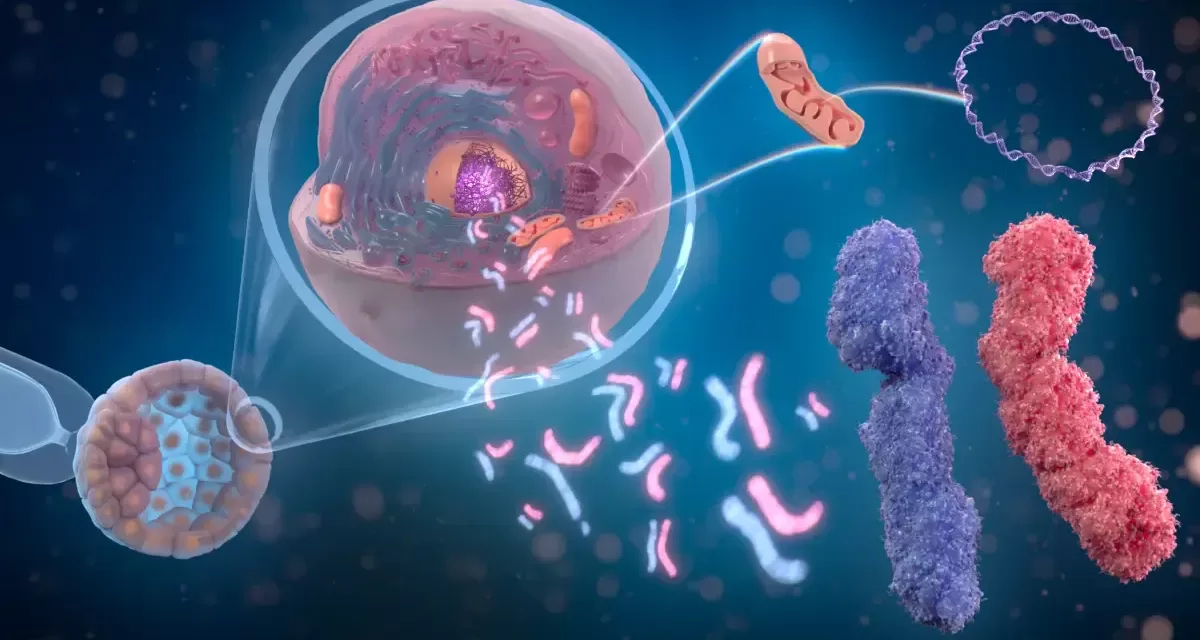
The research team, led by scientists including Ryuji Hashizume, utilized an “allele-specific” CRISPR-Cas9 approach. Unlike traditional gene editing, which might target a single mutation, this method was designed to perform “trisomic rescue”—the surgical removal of an entire extra chromosome.
By making multiple cuts across the redundant chromosome, the researchers were able to eliminate it from induced pluripotent stem cells (iPSCs) and skin fibroblasts derived from individuals with Down syndrome. Crucially, the technique was sophisticated enough to recognize which chromosome to target, ensuring the cells were left with two distinct chromosomes (one from each parent) rather than two identical copies, which is vital for genetic health.
Restoring Cellular Balance
The results of the “rescue” were immediate and measurable. Once the extra chromosome was removed, the researchers observed:
-
Normalized Gene Activity: The “overdose” of proteins typically produced by three copies of chromosome 21 was corrected.
-
Improved Cellular Behavior: The cells shifted toward a “typical” state, behaving more like cells without trisomy 21.
-
Broad Utility: The method worked in both rapidly dividing stem cells and “nondividing” cells, such as mature skin cells.
This last point is particularly significant. For any future therapy to work in a living human, it must be able to affect cells in tissues that have already finished growing.
Expert Perspectives: A “Scientific Milestone,” Not a Cure
While the results are scientifically “elegant,” the medical community is urging a balanced interpretation. Experts not involved in the study emphasize that “cells in a dish” are vastly different from a human being with trillions of interconnected cells.
“This is an impressive technical feat that helps us understand the fundamental biology of Down syndrome,” says one external genomic researcher. “However, it is vital that families understand this is not a therapy ready for clinical trials. We are looking at the very first steps of a very long journey.”
One of the primary hurdles is delivery. In a laboratory, researchers can easily bathe cells in CRISPR components. In a living person, delivering these “molecular scissors” to the right cells—particularly in the brain or heart—without causing collateral damage is a monumental task.
Limits and Safety Concerns
The study also highlighted a significant risk: off-target effects. The current CRISPR technique is not yet 100% precise. In some instances, the process inadvertently altered or damaged the remaining “healthy” chromosomes.
Furthermore, the ethical implications of chromosomal editing are profound. Altering the genetic makeup of human tissues—or potentially embryos—raises questions about oversight, long-term safety, and the definition of disability. Many advocacy groups emphasize that Down syndrome is a part of a person’s identity, and the goal of research should be to improve quality of life and health outcomes, such as addressing heart defects or early-onset Alzheimer’s, rather than “eliminating” the condition itself.
Public Health Context and What This Means for You
For the roughly 6,000 babies born with Down syndrome in the U.S. each year, this research does not change the current standard of care. Families should continue to rely on proven interventions, including:
-
Early Intervention Services: Physical, occupational, and speech therapy.
-
Specialized Medical Care: Regular screenings for common comorbidities like thyroid issues or heart conditions.
-
Educational Support: Individualized Education Programs (IEPs) tailored to the child’s needs.
The true value of this study, for now, is as a research tool. By creating “before and after” versions of the same cells (one with three chromosomes and one with two), scientists can finally isolate exactly which genes on chromosome 21 cause specific health issues. This could lead to more targeted drug therapies that don’t involve gene editing at all.
The Road Ahead
The next phase of research will likely involve testing these CRISPR strategies in animal models to see if removing the extra chromosome in a living organism is safe and functional. Scientists will also work on refining the precision of the cuts to ensure only the intended chromosome is affected.
As gene-editing technology continues to accelerate, this study serves as a reminder of how far science has come—and how much further it has to go to bridge the gap between laboratory discovery and meaningful medical treatment.
Medical Disclaimer: This article is for informational purposes only and should not be considered medical advice. Always consult with qualified healthcare professionals before making any health-related decisions or changes to your treatment plan. The information presented here is based on current research and expert opinions, which may evolve as new evidence emerges.
References
- https://health.economictimes.indiatimes.com/news/industry/researchers-eye-potential-down-syndrome-fix-via-advanced-gene-editing/130330644?utm_source=top_story&utm_medium=homepage