 0
0
 0
0
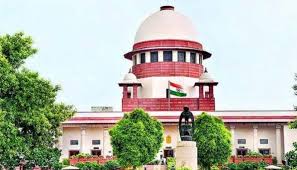
NEW DELHI – The Supreme Court of India has officially closed the door on the 2025-26 postgraduate medical admissions cycle, dismissing a plea for a “Special Stray Vacancy Round.” In a decision delivered on April 16, 2026, a bench comprising Justice P.S. Narasimha and Justice Alok Aradhe refused to interfere with the National Medical Commission’s (NMC) fixed schedule, effectively leaving over 1,100 specialist medical seats vacant for the academic year.
The ruling reinforces a rigid adherence to the academic calendar, prioritizing administrative certainty over the maximum utilization of medical seats. For thousands of aspiring specialists, the decision marks the end of a high-stakes journey, while for the Indian healthcare system, it highlights a persistent struggle: balancing the desperate need for specialized doctors with the necessity of a disciplined medical education timeline.
The Legal Deadlock: Why the Court Refused to Intervene
The petition reached the apex court after several aspirants challenged the NMC’s refusal to hold a fifth round of counselling. The petitioners argued that because roughly 1,140 seats remained unfilled after the initial stray vacancy round—primarily due to candidates not reporting to their allotted colleges—a final “mop-up” was necessary to prevent the “wastage” of valuable national resources.
However, the Court’s refusal was anchored in the principle of “finality.” In an earlier proceeding (Ashish Ranjan v. Union of India), the Court had already extended the final admission deadline to February 28, 2026.
The NMC’s Stance
The National Medical Commission’s Postgraduate Medical Education Board (PGMEB) issued a formal notification on March 31, 2026, stating:
-
No further rounds would be conducted.
-
Any admission made after the February 28 deadline would be deemed invalid.
-
State authorities and institutions were strictly directed to cease all admission activities to maintain the integrity of the academic session.
“The issue has attained finality,” the NMC noted in its representation to the court, arguing that reopening the window would create a “domino effect,” delaying the commencement of the academic term and disrupting hospital residency schedules.
The Vacancy Paradox: 1,140 Seats Left Empty
The core of the controversy lies in the sheer volume of unused opportunities. According to government data, of the approximately 50,000 PG seats available nationally (including MD, MS, and Diploma courses), over 1,000 remained vacant after the standard rounds.
Medical seats in India are among the most sought-after educational assets in the world. Vacancies typically occur for three reasons:
-
Non-Reporting: Candidates are allotted a seat in a location or specialty they ultimately decide not to pursue.
-
High Fees: In deemed universities, high tuition costs can lead to seats being abandoned.
-
Procedural Lapses: Documentation errors or missed deadlines during the brief “stray round” window.
Expert Perspectives: Discipline vs. Utility
The medical community remains divided on the impact of such rigid cut-offs.
Dr. Anita Iyer, a veteran medical education consultant (unaffiliated with the case), explains the administrative logic: “Postgraduate medical training is not just a classroom course; it is a residency. Residents are the backbone of hospital staffing. If you admit students in April or May for a session that was supposed to start months earlier, they are perpetually behind in their clinical rotations and training hours.”
Conversely, public health advocates argue that the loss of 1,100 specialists is a blow to India’s long-term healthcare infrastructure.
“Every vacant seat represents a lost opportunity to produce a surgeon, a pediatrician, or a cardiologist,” says a representative from a leading health policy think tank. “While the calendar is important, we must find a technological or procedural solution to ensure seats are filled before the deadline hits.”
Public Health Implications: A Pipeline Under Pressure
The ripples of this decision extend beyond the frustrated applicants. India continues to face a shortage of specialist doctors, particularly in rural and semi-urban areas.
-
Training Gaps: A gap in the intake of 1,100 trainees means fewer hands in tertiary care hospitals over the next three years.
-
Workload Stress: Existing residents in departments with vacancies often face double the workload, which can lead to burnout and a decrease in the quality of patient care.
-
Predictability: On a positive note, the Court’s firm stance ensures that the next cycle (NEET-PG 2026) is less likely to be delayed by the overhang of previous admissions.
Limitations and Counterarguments
Critics of the ruling suggest that the “sanctity of the academic calendar” is a bureaucratic shield that ignores the reality of seat wastage. They point to previous years where “Special Stray Rounds” were conducted successfully without collapsing the system.
However, the legal consensus suggests that judicial restraint is necessary. If the Court frequently grants “one-time exceptions,” the February 28 deadline becomes a suggestion rather than a rule, leading to perpetual litigation and uncertainty for medical colleges.
What This Means for Future Aspirants
For candidates preparing for the next cycle, the message from the Supreme Court and the NMC is clear: The deadline is the deadline.
-
No Last-Minute Relief: Do not rely on the possibility of “special rounds” or court-ordered extensions.
-
Strategic Choice: Candidates must be more decisive during the early rounds of counselling. Holding out for a “better” seat in a stray round is now a higher-risk strategy.
-
Document Readiness: Ensure all administrative requirements are met well before the cut-off date to avoid technical disqualification.
As the curtains fall on NEET-PG 2025, the focus now shifts to systemic reforms that might prevent such high vacancy rates in the future—perhaps through a more synchronized “all-India” and “state” portal to prevent seat blocking.
References
-
Source Data: LiveLaw Legal Reporting, “SC Dismisses Plea for Special Stray Vacancy Round,” April 16, 2026.
Medical Disclaimer: This article is for informational purposes only and should not be considered medical advice. Always consult with qualified healthcare professionals before making any health-related decisions or changes to your treatment plan. The information presented here is based on current research and expert opinions, which may evolve as new evidence emerges.