 0
0
 0
0
DHAKA, Bangladesh — Bangladesh is locked in the grip of its most severe measles outbreak in nearly 20 years, a rapidly escalating public health crisis driven by pandemic-era disruptions and recent political instability. Since mid-March, total cases across the South Asian nation have surpassed 80,000, leaving hospitals overwhelmed and claiming hundreds of young lives. On June 9, 2026, the Directorate General of Health Services (DGHS) reported 1,092 new infections in a single 24-hour window, pushing the national tally to 80,104 cases and bringing the total death toll to 628. The crisis has exposed profound vulnerabilities in regional health security, prompting urgent intervention from international health bodies.
A Rapidly Escalating Crisis
The current outbreak has swept through 58 of Bangladesh’s 64 districts, firmly establishing a foothold across all eight administrative divisions. The dense urban landscape of Dhaka Division has emerged as the clear epicenter, accounting for 37,387 suspected cases and 6,794 laboratory-confirmed infections.
The strain on the country’s medical infrastructure is severe. According to DGHS data, 65,237 patients displaying symptoms of measles have required hospitalization. While 61,278 individuals have since recovered and been discharged, approximately 57,000 patients remain actively hospitalized nationwide, stretching pediatric units to their absolute limits.
Bangladesh Measles Outbreak at a Glance (as of June 9, 2026)
-----------------------------------------------------------
Total Suspected Cases:   80,104
Laboratory-Confirmed:    9,779
Total Fatalities:        628
Hospitalized to Date:    65,237
Geographic Spread:       58 out of 64 districts affected
Data from the World Health Organization (WHO) reveals that the demographic burden of this outbreak is falling overwhelmingly on the shoulders of the very young. Four out of five measles patients are children under the age of five. Within this highly vulnerable group, the distribution is acutely concentrated:
-
Children under two years old account for 66% of the total caseload.
-
Infants under nine months old represent 33% of the cases.
This latter statistic is particularly alarming to epidemiologists, as infants under nine months are too young to receive their first routine scheduled dose of the Measles-Rubella (MR) vaccine, relying entirely on herd immunity for protection. The current case fatality rate stands at 0.9% for suspected cases and rises to 1.1% among laboratory-confirmed cases.
Six Times More Contagious Than COVID-19
Medical professionals on the front lines paint a grim picture of the virus’s transmissibility and the subsequent pressure on healthcare facilities. Measles is one of the most infectious human viruses known to science, spreading effortlessly through airborne droplets when an infected person breathes, coughs, or sneezes.
“There is no sign of a downtrend in the measles infection rate across the country,” warns Dr. Ariful Bashar, senior consultant at Mohakhali Contagious Disease Hospital in Dhaka. “Measles is a highly contagious disease, even six times more than COVID-19. Unless 95 percent immunity is achieved through vaccination, there will be no downtrend in the infection rate.”
At Mohakhali Hospital, the surge has completely outstripped resources. “All bed capacities are exhausted, and we are compelled to accommodate patients in the corridors as well,” Dr. Bashar explains, adding that the crisis has compromised other areas of critical care. “We currently can’t offer ICU treatment to patients with other infectious diseases.”
International child welfare advocates emphasize that the vulnerability of young infants is a direct reflection of broader community under-vaccination. Rana Flowers, UNICEF’s representative in Bangladesh, notes that the virus is actively seeking out pockets of unprotected individuals.
“This resurgence underscores critical gaps in immunity, particularly among children who have not received any vaccinations and those who are under-vaccinated,” Flowers stated. “The rise among infants under nine months who are not yet eligible for routine vaccinations is especially troubling.”
Anatomy of a Vaccine Stockout
The severity of the 2026 outbreak stands in stark, tragic contrast to Bangladesh’s historical success in disease eradication. Between 2000 and 2016, systematic public health campaigns successfully drove up first-dose measles-containing vaccine (MCV1) coverage. By 2024, second-dose (MCV2) coverage had steadily climbed, leading to a profound, long-term decline in confirmed measles cases nationwide.
This stable baseline shattered due to a combination of geopolitical displacement and domestic political upheaval. Public health retrospective analyses show that the initial sparks of the current outbreak ignited in January 2026 within the highly congested Rohingya refugee camps near the Myanmar border, where health infrastructure was already fragile. From these camps, the virus quickly migrated into the wider, under-vaccinated domestic population.
The systemic immunity gaps that allowed the virus to spread so explosively began years prior:
Timeline of Systemic Immunity Gaps
----------------------------------------------------------------------------
2020      -> Supplementary MR campaigns suspended due to COVID-19 pressures.
2024      -> Student-led protests overthrow the central government; routine
             immunization networks face massive operational disruptions.
2024-25   -> Nationwide stockout of Measles-Rubella (MR) vaccines occurs.
Late 2025 -> Interim administration fails to execute recommended mass
             supplementary vaccination campaigns prior to Feb 2026 elections.
UNICEF documents reveal that repeated warnings were delivered to the interim government regarding the critical vaccine shortages. However, the combination of a prolonged, multi-year pause in supplementary immunization campaigns and the total nationwide stockout of the MR vaccine during 2024–2025 left millions of children completely unprotected, creating the perfect conditions for a major epidemic.
Emergency Mobilization and Response
In response to the mounting death toll, Bangladesh’s newly elected government launched an emergency mass immunization campaign aimed at cutting off chains of viral transmission. Beginning on April 5 in 18 high-priority districts and rolling out nationwide by April 20, the emergency initiative targeted 20 million children between the ages of six months and five years.
Health ministry officials report that the campaign achieved 110% of its administrative target within the designated zones, successfully delivering the MR vaccine to over 17.8 million children. To support this clinical push, the government deployed a comprehensive, multi-pronged public health response framework:
-
Epidemiological Tracking: Strengthening nationwide surveillance systems and laboratory analysis to identify emerging hot spots.
-
Rapid Response: Activating localized District Rapid Response Teams (RRTs) to manage sudden spikes in cases.
-
Clinical Supplementation: Administering high-dose Vitamin A to all suspected and confirmed pediatric patients, a critical intervention proven to reduce measles-related blindness and mortality.
-
Surge Capacity: Expanding hospital isolation wards and reinforcing strict infection prevention and control measures to protect non-measles patients.
Limitations and Cross-Border Vulnerabilities
Despite the sweeping scope of the emergency vaccination campaign, independent health experts urge cautious optimism. A single dose of the measles vaccine administered during a crisis does not equal instant protection. It takes between four and six weeks for protective antibodies to develop post-vaccination, meaning that children exposed shortly after their shot remain vulnerable. Furthermore, long-term, durable immunity requires a strict two-dose regimen.
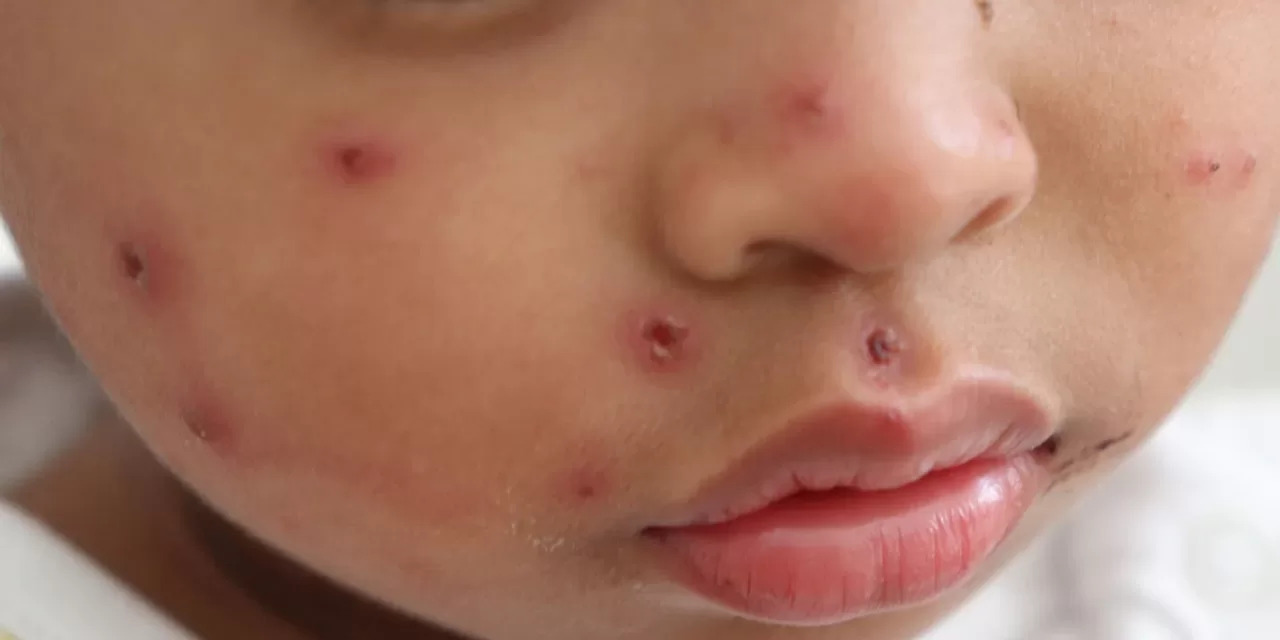
There are also significant concerns regarding data collection. Approximately 12% of the country’s 81,084 recorded cases are laboratory-confirmed (9,833 confirmed infections). While clinical presentations of measles—characterized by high fever, cough, runny nose, and a hallmark maculopapular rash—are highly distinct, the reliance on suspected case reporting makes it difficult to map the exact boundaries of the virus’s movement.
The WHO has classified the national risk level as “high” and warns of a substantial threat of cross-border transmission. Bangladesh shares porous, heavily traveled borders with India and Myanmar. In Myanmar, ongoing civil strife has systematically dismantled routine childhood immunization networks, leaving border populations highly susceptible.
Similarly, the WHO notes a “considerable risk” to neighboring Indian states. Because major Bangladeshi urban centers and transport hubs like Dhaka, Chattogram, and Cox’s Bazar experience constant international travel, the probability of regional importations remains elevated. Manuel Leroux, UNICEF’s deputy representative in Bangladesh, lamented the avoidable nature of the crisis, labeling the widespread sickness and loss of life as entirely “heartbreaking” given the availability of a proven, inexpensive preventative vaccine.
Implications for Regional Public Health
The tragedy unfolding in Bangladesh serves as a stark reminder to health authorities globally: measles is an unforgiving litmus test for the integrity of routine immunization infrastructure. When vaccination coverage slips below the mandatory 95% herd immunity threshold, the virus re-emerges with remarkable speed.
For readers and public health agencies in neighboring South Asian countries, particularly India, medical authorities emphasize that vigilance must extend beyond immediate containment. The CDC outlines that measles complications are frequent and severe, including:
-
Otitis media: Severe ear infections that can lead to permanent hearing loss.
-
Pneumonia: Respiratory infections affecting 1 in 20 children, serving as the primary cause of measles deaths.
-
Encephalitis: Dangerous brain swelling occurring in roughly 1 in 1,000 cases, which can cause permanent neurological damage or seizures.
To mitigate the risk of importing the virus, the WHO strongly recommends that neighboring countries maintain uniform vaccine coverage of at least 95% across both routine MCV doses. Additionally, health authorities are urged to tighten epidemiological surveillance along border areas, establish rapid-screening protocols at international travel hubs, and ensure that at-risk populations—including healthcare workers and cross-border travelers—possess verified records of immunization.
Medical Disclaimer
This article is for informational purposes only and should not be considered medical advice. Always consult with qualified healthcare professionals before making any health-related decisions or changes to your treatment plan. The information presented here is based on current research and expert opinions, which may evolve as new evidence emerges.
References
- https://www.healthandme.com/health-news/bangladesh-battles-growing-measles-outbreak-as-cases-approach-10000-article-154537722