 0
0
 0
0
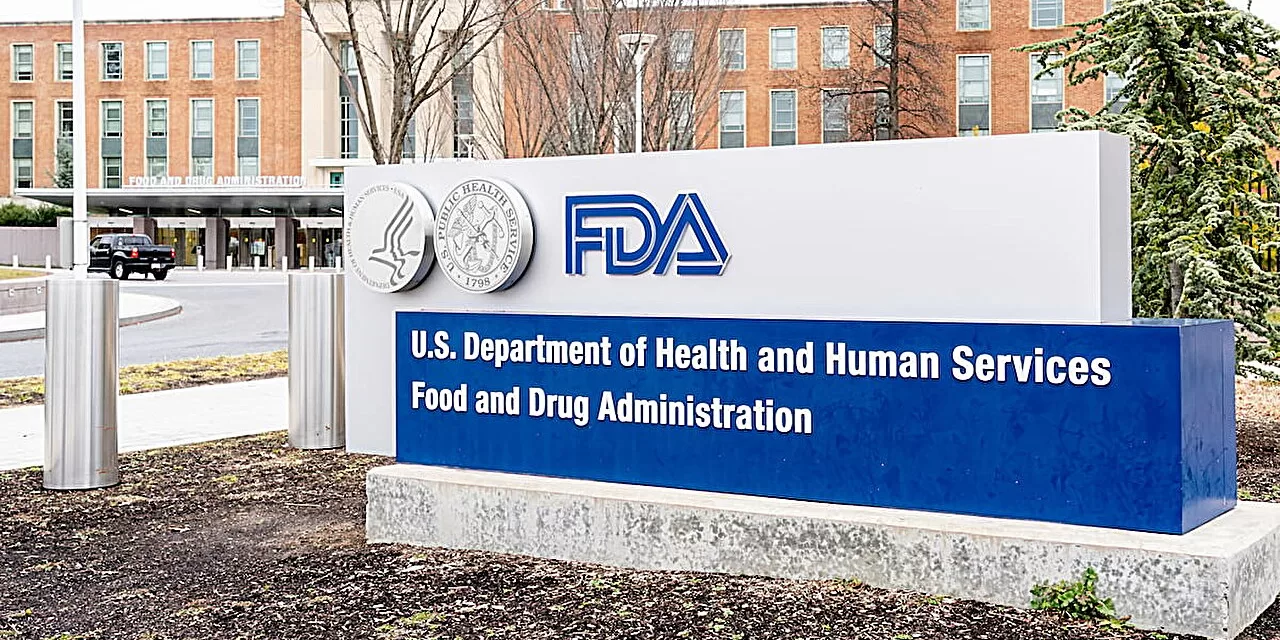
SILVER SPRING, MD — The U.S. Food and Drug Administration (FDA) is set to convene an outside expert panel this July to determine whether compounding pharmacies should be permitted to manufacture several high-demand peptides currently under federal restriction. The move, announced Wednesday, marks a potential turning point in a high-stakes regulatory battle involving Health and Human Services (HHS) leadership, wellness advocates, and public health experts over the safety and accessibility of injectable compounds.
The Pharmacy Compounding Advisory Committee (PCAC) will meet July 23 and 24, 2026, to evaluate seven specific peptides—including the popular recovery compound BPC-157—for inclusion on the “503A Bulks List.” If added, these substances could be legally prepared by compounding pharmacies for individual patients, reversing a 2023 decision that effectively barred their use in the compounding industry.
A Shift in Regulatory Momentum
The upcoming review follows intense public interest and political pressure to expand access to “bio-optimizing” therapies. Peptides, which are short chains of amino acids that act as signaling molecules in the body, have exploded in popularity among athletes, aging populations, and wellness influencers. Supporters argue they offer unique benefits for tissue repair, weight loss, and cognitive function.
However, the FDA’s 2023 crackdown on 19 peptides was rooted in concerns regarding immunogenicity (the potential for the body to mount an immune response against the drug) and a lack of robust human safety data. The agency previously categorized substances like BPC-157 as presenting “significant safety risks” due to the absence of peer-reviewed clinical trials demonstrating their safety when injected.
According to recent reports from Reuters and NPR, the push for re-evaluation has been bolstered by HHS Secretary Robert F. Kennedy Jr., who has been a vocal proponent of “Make America Healthy Again” (MAHA) initiatives. Kennedy has frequently signaled support for moving these compounds back into regulated pharmacy channels to curb the rising “gray market” of unverified online suppliers.
The Peptides Under Review
The July meeting will focus on seven substances, while a second meeting planned before February 2027 will examine five additional compounds. The initial list includes:
-
BPC-157: Often marketed for “gut healing” and musculoskeletal repair.
-
KPV: A peptide researched for its anti-inflammatory properties.
-
TB-500: A synthetic version of a natural protein used for wound healing.
-
MOTS-C: Investigated for metabolic health and obesity.
-
Emideltide (DSIP): Linked to sleep regulation and opioid withdrawal.
-
Semax and Epitalon: Marketed for neuroprotection and anti-aging.
Expert Perspectives: Access vs. Evidence
The medical community remains deeply divided on the issue. Proponents argue that the current restrictions have backfired by driving patients to purchase unregulated “research only” chemicals from overseas labs.
“The real choice facing regulators isn’t whether peptides will be used—they already are,” noted an editorial in Pharmacy Times. “The choice is whether that use happens in fragmented, opaque markets or within systems designed to protect patients through pharmacist oversight.”
Critics, however, fear that easing restrictions could undermine the FDA’s drug approval gold standard. Dr. Peter Lurie, President of the Center for Science in the Public Interest and a former FDA official, warned that this path allows products to reach the market without the rigorous testing required for standard pharmaceuticals.
“The ‘Wild West’ is about to become wilder,” Dr. Lurie told CBS News. “I don’t see why one would take the path of a proper drug approval if there is now this less rigorous, alternative path to market.”
Implications for Public Health
For the general public, the FDA’s decision could mean more legal avenues for obtaining peptide therapy, but it does not equate to a “stamp of approval” for efficacy. Unlike FDA-approved drugs, compounded medications do not undergo pre-market testing for safety and effectiveness.
Key considerations for consumers include:
-
Quality Control: Compounded peptides are customized for individuals; they are not standardized mass-market drugs.
-
Safety Gaps: While BPC-157 has shown promise in animal studies, critics point out it has existed since 1992 without a single pharmaceutical company completing a successful human clinical trial to prove its safety.
-
Monitoring: If restrictions are lifted, the burden of monitoring for side effects shifts heavily to the prescribing physician and the patient.
Looking Ahead
The July advisory meeting is not a final ruling but a recommendation to the FDA. The agency will weigh the expert panel’s advice against the broader legal and scientific landscape. For now, the medical community urges “informed caution.”
“Patients need to understand that ‘available’ does not mean ‘proven,'” says a guide for health reporting in the Journal of General Internal Medicine. “Journalists and clinicians must avoid sensationalizing tentative findings, as public demand often outpaces the evidence.”
As the debate continues, the upcoming FDA hearings will serve as a bellwether for how the U.S. balances the demand for innovative, “natural” therapies with the foundational need for consumer protection.
Reference Section
-
Reuters. “US FDA to convene expert panel to decide on broader access to some peptides.” Published April 14, 2026.
Medical Disclaimer: This article is for informational purposes only and should not be considered medical advice. Always consult with qualified healthcare professionals before making any health-related decisions or changes to your treatment plan. The information presented here is based on current research and expert opinions, which may evolve as new evidence emerges.