 0
0
 0
0
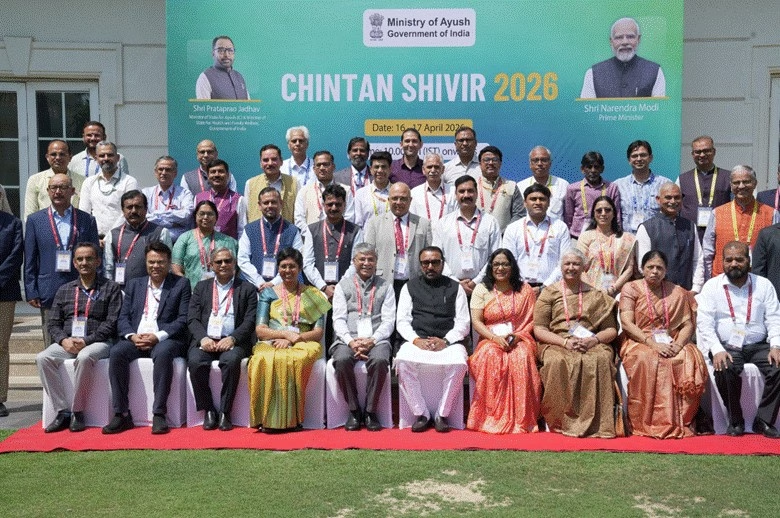
NEW DELHI – In a significant move to integrate traditional medicine into the mainstream global healthcare architecture, Union Minister for Ayush, Shri Prataprao Jadhav, inaugurated the “Ayush Chintan Shivir 2026” today. The two-day strategic summit, held in the national capital, marks a pivotal moment for the Ministry as it seeks to transform Ayush (Ayurveda, Yoga, Unani, Siddha, and Homeopathy) from a traditional alternative into an evidence-based, digitally-driven pillar of the “Viksit Bharat 2047” vision.
The conclave, which concludes on April 17, brings together policymakers, researchers, and insurance experts to address the “missing links” in traditional healthcare: scientific validation, insurance accessibility, and digital transparency.
A Vision for 2047: Holistic Health as a National Priority
Opening the session, Minister Jadhav emphasized that the government’s resolve for a stronger Ayush policy is rooted in the “Heal in India, Heal by India” initiative. This approach positions the country as a global hub for medical tourism and holistic wellness.
“The Chintan Shivir is not just a meeting; it is a platform for reflection and a roadmap for the future,” said Vaidya Rajesh Kotecha, Secretary of the Ministry of Ayush. He noted that the ministry is increasingly focused on the convergence of traditional knowledge with modern scientific rigor to address the rising tide of non-communicable lifestyle disorders.
Breaking the Insurance Barrier: A Game-Changer for Patients
Perhaps the most tangible outcome for the average consumer was the signing of a Memorandum of Understanding (MoU) between the All India Institute of Ayurveda (AIIA) and the General Insurance Council. For years, the lack of standardized pricing and clear claim settlement processes has been a major hurdle for patients seeking Ayush treatments.
To address this, the Minister released a landmark document: “Revision of Benchmark Rates for Insurance Coverage of Ayush Treatments.” This guide aims to:
-
Standardize Costs: Establish transparent pricing for various therapies across different hospitals.
-
Improve Claim Settlements: Create a streamlined mechanism for insurance companies to reimburse Ayush treatments.
-
Enhance Affordability: Make high-quality Ayurvedic and Homeopathic care accessible to the middle class through health insurance.
Additionally, a new toll-free number (1800-11-0008) was launched specifically to assist citizens with Ayush-related insurance queries, providing a direct line of support for navigating the often-complex world of medical claims.
Digitization and Real-Time Engagement
Recognizing the need to combat misinformation and provide direct access to verified health information, the Ministry launched its official WhatsApp Channel. This digital move is designed to facilitate real-time communication with the public, offering tips on wellness, updates on government schemes, and verified research findings.
“The emphasis on digitalization and public awareness is crucial,” noted Dr. Kousthubha Upadhyaya, Adviser (Ayurveda). “By meeting the public where they are—on their smartphones—we can ensure that traditional health wisdom is backed by modern convenience and accuracy.”
The Science of Tradition: Moving Toward “Evidence-Based” Care
One of the most rigorous sessions of the day, “Tradition to Translation,” focused on the necessity of scientific validation. While traditional medicines have been used for millennia, the modern medical community requires peer-reviewed data and clinical trials to accept these practices as standard care.
“The shift toward evidence-based research is the only way Ayush will gain universal clinical acceptance,” says Dr. Anita Sharma, a public health expert not involved in the Ministry’s proceedings. “Standardizing benchmark rates for insurance is a massive step, but it must be paired with rigorous safety and efficacy data to ensure patient safety and provider confidence.”
Public Health Implications and Challenges
The government’s push to integrate Ayush into the “Viksit Bharat 2047” (Developed India 2047) vision has broad implications. By focusing on preventive care through Yoga and Ayurveda, the Ministry hopes to reduce the long-term burden on the tertiary healthcare system.
However, the roadmap is not without its hurdles. Experts at the Shivir noted several challenges:
-
Legal Preparedness: Managing litigation and regulatory frameworks as the sector expands globally.
-
Standardization: Ensuring that a treatment received in one state is of the same quality and cost as in another.
-
Global Convergence: Aligning Indian traditional standards with international health regulations to foster “Heal in India” exports.
What This Means for You
For the health-conscious consumer, the outcomes of Chintan Shivir 2026 suggest a future where choosing an Ayurvedic treatment for a chronic condition like arthritis or a Homeopathic intervention for respiratory issues will be as seamless as visiting an allopathic clinic. With benchmarked rates and insurance support, the financial “risk” of traditional medicine is significantly reduced.
As the second day of the Shivir approaches, the focus will shift to actionable outcomes at the grassroots level, ensuring that these high-level policy changes reach the rural health centers and urban clinics where they are needed most.
Medical Disclaimer
Medical Disclaimer: This article is for informational purposes only and should not be considered medical advice. Always consult with qualified healthcare professionals before making any health-related decisions or changes to your treatment plan. The information presented here is based on current research and expert opinions, which may evolve as new evidence emerges.
References and Sources
Official Government Statements:
-
Press Information Bureau (PIB) Delhi. (2026, April 16). Union Minister for Ayush Shri Prataprao Jadhav inaugurates Ayush Chintan Shivir 2026.