 0
0
 0
0
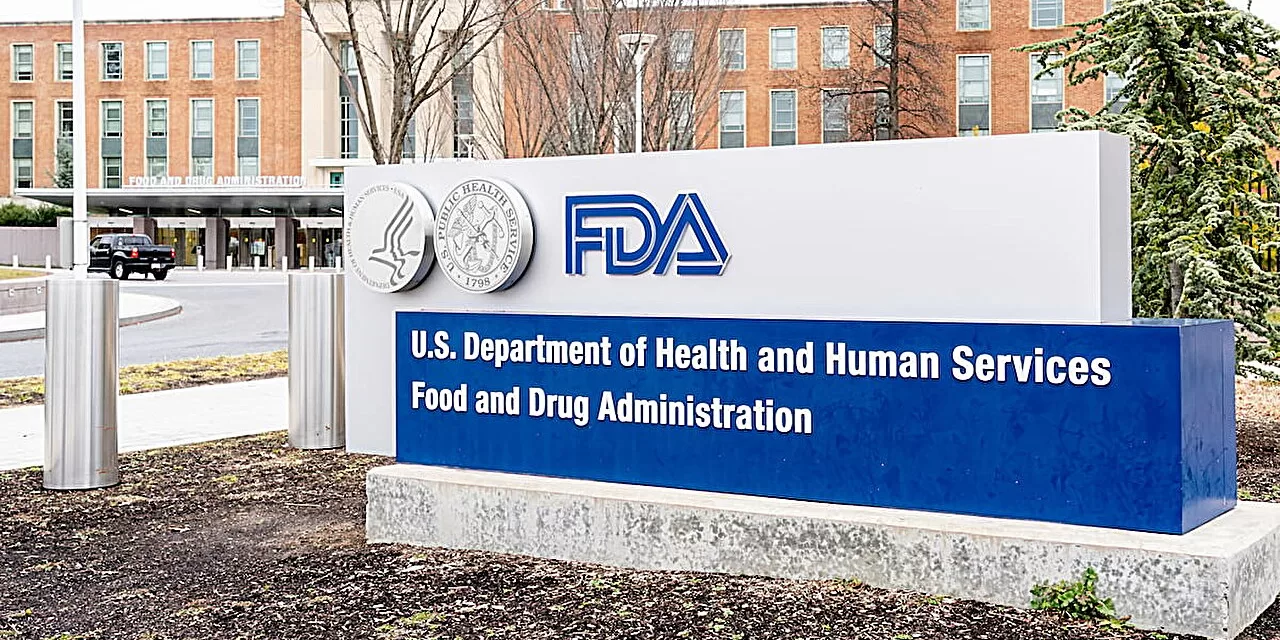
WASHINGTON — In a major bid to modernize clinical research and protect domestic scientific competitiveness, the U.S. Food and Drug Administration (FDA) has unveiled a sweeping package of regulatory measures designed to accelerate early-stage drug development. Named “Operation TrialBlazer,” the initiative introduces an expedited pilot program, relaxed phase-appropriate requirements, and a real-time support center for trial sponsors. While federal officials project the overhaul could trim six to 12 months off early trial timelines, the announcement has ignited a crucial public health debate over whether prioritizing speed risks compromising consumer safety and rigorous scientific evidence.
Overhauling the Starting Line: What the FDA Announced
Launched as a department-wide initiative under the U.S. Department of Health and Human Services (HHS), Operation TrialBlazer primarily targets the initial, highly complex phases of human drug testing. Historically, navigating the Investigational New Drug (IND) application process has been a notorious bottleneck for pharmaceutical innovation, often taking companies upwards of a year just to transition a molecule from laboratory discovery into first-in-human testing.
To dissolve these hurdles, the FDA’s new framework introduces three distinct pillars for early-stage (Phase 1) development, alongside a significant policy shift for late-stage clinical trials:
-
The Expedited IND Pilot Program: A voluntary platform that pairs drug sponsors with pre-qualified research entities, such as academic medical centers and contract research organizations (CROs). The program utilizes a “rolling IND submission platform,” allowing regulators to review data piece-by-piece as it is generated rather than waiting for a massive, finalized dossier.
-
Phase-Appropriate Streamlining: Updated regulatory guidance explicitly clarifies that early-stage trials do not require the exhaustive Chemistry, Manufacturing, and Controls (CMC) data sets mandatory for late-stage trials. By focusing strictly on data relevant to initial human safety, the FDA estimates developers can bypass months of duplicative work.
-
Real-Time Regulatory Support: The agency launched a centralized Phase 1 IND Navigator webpage and an active Phase 1 Contact Center. Staffed by agency specialists, the center provides real-time protocol feedback to prevent administrative errors that trigger lengthy clinical holds.
-
The “Single Pivotal Trial” Shift: For later-stage drug development, the FDA issued revised draft guidance signaling a newfound openness to granting drug approvals based on a single, highly rigorous Phase 3 pivotal trial paired with strong confirmatory evidence, rather than strictly requiring the traditional standard of duplicate large-scale studies.
The Competitive Push: Why the Federal Government is Moving Faster
The decision to cut regulatory friction reflects growing anxiety within Washington over the shifting landscape of global biomedical infrastructure. According to an HHS blueprint detailing the rollout, American innovation dollars are increasingly funding overseas trials, particularly in China. In 2025 alone, global companies spent more than $137 billion licensing Chinese-developed biopharma assets. Federal projections warned that if left unchecked, therapies originated by Chinese biotech firms could account for 35% of all FDA approvals by 2040.
Beyond global economics, the practical effects of Operation TrialBlazer are expected to reshape the domestic biotech ecosystem—particularly for smaller start-ups. While major pharmaceutical conglomerates maintain massive, dedicated regulatory compliance divisions, smaller biotech entities frequently stall or go bankrupt trying to decipher dense FDA requirements.
The agency’s shift toward “advanced quantitative medicine” also represents a move away from historical reliance on extensive animal toxicology testing. The new guidance encourages developers to utilize Quantitative Systems Pharmacology (QSP) and the Minimum Anticipated Biological Effect Level (MABEL) approach to mathematically model and select safe starting doses for human trials, utilizing existing biological data rather than restarting trials from scratch.
Expert Perspectives: Balancing Efficiency and Public Rigor
The structural shifts have drawn mixed assessments from health policy experts and leading federal scientists. Proponents argue that the framework modernizes an antiquated system without eroding underlying safety thresholds.
“We are modernizing outdated processes that slow innovation and rebuilding the foundation for the next generation of medical breakthroughs,” stated Acting FDA Commissioner Kyle Diamantas, J.D., noting that the ultimate target is safely compressing early development timelines by half a year to a full year.
National Institutes of Health (NIH) Director Dr. Jay Bhattacharya, M.D., Ph.D., echoed this optimism, pointing out that the strategic integration of modern data-driven protocols can optimize how trials are designed. Dr. Bhattacharya noted that leveraging real-world data and advanced master trial protocols—such as basket and platform trials that test multiple drugs or diseases simultaneously under a single infrastructure—can make early studies fundamentally faster, less redundant, and more informative.
However, independent public health advocates urge caution, pointing out that the line between “streamlining” and “cutting corners” is historically thin. Existing expedited pathways, such as the FDA’s Fast Track and Accelerated Approval programs, have previously faced intense scrutiny from medical observers when companies failed to quickly produce mandatory post-market confirmatory data after their drugs reached the public.
Limitations, Cautions, and the Consumer Reality
Because Operation TrialBlazer is entirely built upon newly issued administrative guidance and a freshly minted pilot framework, its real-world efficacy remains entirely unproven. Critics point out several immediate variables and systemic limitations:
| Variable | The Unresolved Question |
| Scalability | It is entirely unknown whether the Phase 1 Contact Center can handle thousands of real-time inquiries at scale without reverting to old backlogs. |
| Eligibility Constraints | The FDA has not yet finalized how many drug sponsors or academic medical centers will be permitted into the rolling pilot program. |
| Therapeutic Variation | A 12-month time savings may be easily achievable for highly predictable small-molecule drugs, but highly complex, novel gene therapies or personalized biologics may still face protracted safety delays. |
For health-conscious consumers and patients looking for breakthrough treatments, medical experts emphasize that Operation TrialBlazer represents an optimization of administrative paperwork, not a lowering of the scientific bar.
A drug moving through an expedited Phase 1 trial must still successfully prove its basic safety in humans, and any medicine seeking final pharmacy approval will still be subject to federal statutory requirements regarding efficacy. Speeding up the pipeline means a promising candidate may reach clinical trial sites or regulatory review faster—it does not mean the underlying compound is inherently safer, better, or more effective than existing options.
References
- https://www.reuters.com/legal/litigation/us-fda-updates-guidance-speed-up-drug-development-2026-06-22/
Medical Disclaimer: This article is for informational purposes only and should not be considered medical advice. Always consult with qualified healthcare professionals before making any health-related decisions or changes to your treatment plan. The information presented here is based on current research and expert opinions, which may evolve as new evidence emerges.