 0
0
 0
0
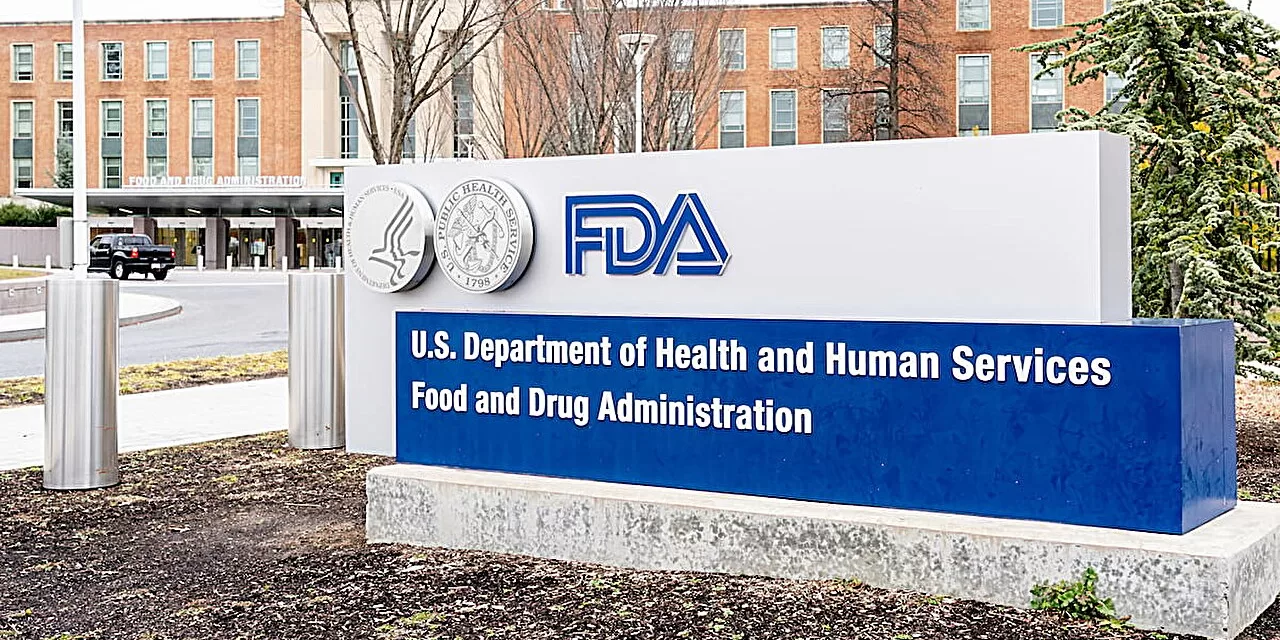
SILVER SPRING, MD — In a move that could fundamentally reshape the landscape of modern medicine, the U.S. Food and Drug Administration (FDA) announced on May 11, 2026, a sweeping initiative to identify and authorize new uses for existing, approved medications. By opening a formal public docket, the agency is calling on a coalition of patients, clinicians, and researchers to help bridge the gap between “off-label” clinical success and official regulatory approval.
The initiative targets a critical bottleneck in healthcare: the “innovation valley of death,” where drugs that show promise for new conditions—such as rare diseases, neurodegenerative disorders, and women’s health—languish without official labeling because of a lack of commercial incentive.
A New Life for “Old” Medicines
Drug repurposing—the process of finding new therapeutic uses for drugs already on the market—is not a new concept. Historically, famous examples like aspirin (originally for pain, later for heart health) have emerged through serendipity. However, the FDA’s new strategy aims to move from accidental discovery to a systematic, data-driven pipeline.
The agency is specifically looking for candidate drugs supported by:
-
Real-World Evidence: Case reports, case series, and observational studies.
-
Next-Gen Technology: Findings generated through artificial intelligence (AI) and machine learning.
-
Clinical Experience: Data from healthcare providers who have used medications off-label with documented success.
“Too many patients still lack effective options even when promising science exists,” stated FDA Commissioner Dr. Marty Makary. By leveraging existing data, the agency hopes to deliver treatments to those with metabolic diseases and substance use disorders more rapidly than the traditional decade-long drug development cycle allows.
The Science of Efficiency
From a public health standpoint, the logic is sound. Developing a brand-new molecular entity from scratch is a grueling process that often costs billions of dollars and takes upwards of 12 years.
“The primary advantage of repurposing is that we aren’t starting from zero,” says Dr. Elena Rossi, a clinical pharmacologist not involved in the FDA announcement. “Because these drugs are already approved, we have a wealth of data on their safety profiles, metabolic pathways, and manufacturing requirements. This can shave years off the timeline and significantly reduce the risk of unexpected toxicity in early trials.”
However, Dr. Rossi cautions that “known safety” is relative. A drug that is safe for a healthy adult with a skin condition may carry different risks for a patient with a neurodegenerative disorder or a child with a rare metabolic defect.
Addressing the “Commercial Gap”
One of the most significant hurdles the FDA aims to clear is the lack of financial motivation for pharmaceutical companies. When a drug is off-patent and available as a low-cost generic, manufacturers rarely invest the millions of dollars required for the clinical trials needed to update a label.
This leaves physicians in a difficult position. While they can legally prescribe drugs “off-label,” they often do so without the clear dosing guidelines or rigorous safety warnings that accompany an FDA-approved indication. By updating labels based on existing high-quality evidence, the FDA aims to provide a “gold standard” roadmap for clinicians, potentially even influencing insurance coverage for these therapies.
The Role of AI and Patient Advocacy
The inclusion of AI and machine learning in the FDA’s call for data marks a significant technological shift. Modern algorithms can scan millions of molecular interactions and patient records to predict which existing drugs might “fit” into the biological locks of different diseases.
Equally important is the role of the patient. The FDA is inviting those living with rare conditions to share their experiences. For many in the rare disease community, off-label use is not a choice but a necessity. Formalizing these uses could lead to better standardized care and more robust data collection.
Limitations and the “Miracle Cure” Caveat
Despite the optimism, the FDA and medical experts maintain a stance of guarded caution. The agency emphasized that this initiative is a “call for information,” not a blanket approval of all suggested uses.
Several key limitations remain:
-
Evidence Quality: Case reports and observational studies are valuable for generating ideas, but they do not replace the “gold standard” of randomized controlled trials (RCTs). They are susceptible to bias and cannot always prove that the drug caused the improvement.
-
Validation Requirements: Leads generated by AI are hypotheses that still require biological validation in a laboratory or clinical setting.
-
False Confidence: There is a risk that publicizing these efforts could lead patients to seek out medications prematurely. The FDA’s expanded-access guidance reminds the public that unproven uses of drugs can lead to serious, unexpected side effects.
A More Responsive Regulatory Future
The success of this initiative will likely depend on the collaboration between the FDA and other federal partners, such as the National Institutes of Health (NIH) and the Centers for Medicare and Medicaid Services (CMS). If successful, it could create a more “circular” pharmaceutical economy—one where the value of a drug is continuously reassessed as scientific understanding evolves.
For the average consumer, this means that the medicine cabinet of the future may not just be filled with “new” drugs, but with “old” friends that have learned new tricks to combat some of our most challenging health crises.
Reference Section
- https://www.reuters.com/legal/litigation/us-fda-mulls-repurposing-approved-drugs-expand-access-2026-05-11/
Medical Disclaimer: This article is for informational purposes only and should not be considered medical advice. Always consult with qualified healthcare professionals before making any health-related decisions or changes to your treatment plan. The information presented here is based on current research and expert opinions, which may evolve as new evidence emerges.