 0
0
 0
0
Kolkata, India — June 11, 2026
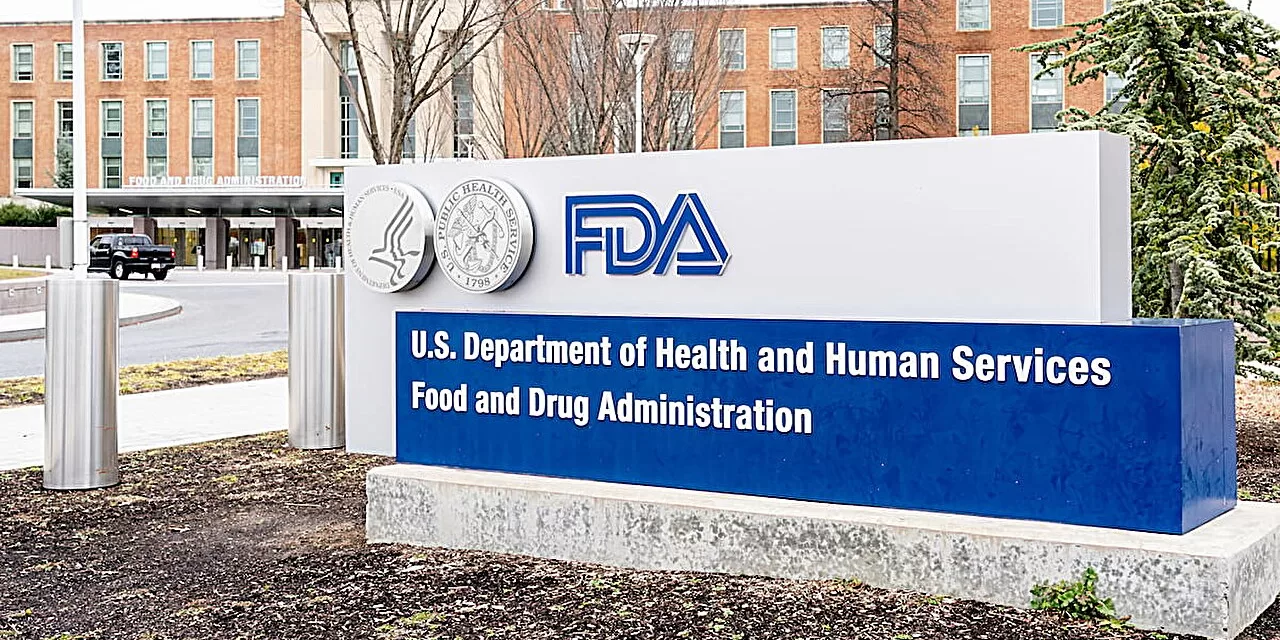
The U.S. Food and Drug Administration (FDA) has expanded the approved uses for Tofidence (tocilizumab-bavi), making it the first biosimilar alternative cleared to treat two life-threatening inflammatory conditions: severe cytokine release syndrome (CRS) and hospitalized COVID-19. Announced Wednesday, this regulatory milestone allows healthcare providers to administer the medication to both adults and pediatric patients aged two years and older who are facing acute, systemic immune emergencies.
Tofidence, marketed by Organon, was originally approved by the FDA in September 2023 to manage chronic autoimmune conditions such as rheumatoid arthritis. This new expansion moves the biosimilar from the outpatient rheumatology clinic into emergency departments and oncology intensive care units, promising to inject much-needed market competition into acute care medicine.
Expanding the Safety Net: What the New Approvals Cover
The FDA’s decision specifically addresses two high-stakes medical scenarios where the human immune system turns dangerously against itself:
-
CAR-T Cell Therapy-Induced CRS: Chimeric antigen receptor (CAR) T-cell therapy has revolutionized cancer treatment by reprogramming a patient’s own immune cells to attack malignant tumors. However, this aggressive approach can trigger CRS—a massive, systemic flood of inflammatory proteins—in up to one-third of patients. The expanded approval authorizes Tofidence for adults and children experiencing severe or life-threatening CRS following cancer treatment.
-
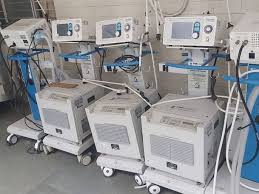
Severe Hospitalized COVID-19: While overall hospitalization rates have stabilized compared to the height of the pandemic, a subset of patients still progresses to severe respiratory failure. Tofidence is now approved for hospitalized adults and pediatric patients requiring supplemental oxygen, mechanical ventilation, or extracorporeal membrane oxygenation (ECMO), provided they are also receiving systemic corticosteroids.
Defusing the “Cytokine Storm”
To understand how Tofidence works, it helps to look at the underlying biology of a cytokine storm. Cytokines are small proteins that act as chemical messengers, signaling the immune system to fight off infections. In conditions like severe COVID-19 or post-cancer immunotherapy, the immune system panics and releases an overwhelming excess of these proteins, particularly one called Interleukin-6 (IL-6).
[Systemic Trigger: CAR-T or COVID-19]
                 │
                 ▼
    [Overproduction of IL-6]
                 │
                 ▼
[IL-6 Binds to Cellular Receptors] ───► [JAK-STAT Pathway Activation]
                 │                                    │
                 ▼                                    ▼
     [Hyper-Inflammation]                     [Organ Damage / CRS]
                 │
                 ▼
  🛑 TOFIDENCE BLOCKS RECEPTOR 🛑 ───► Reduces Systemic Inflammation
When IL-6 binds to receptors on the surface of cells, it triggers an internal chain reaction that fuels severe inflammation, potentially causing blood pressure to plummet and organs to shut down. Tofidence acts as an IL-6 receptor antagonist. By binding specifically to these receptors, it effectively blocks the messaging pathway, lowering the volume on the body’s inflammatory response before irreversible organ damage occurs.
Expert Perspectives: Balancing Cost and Critical Access
Because biologics are manufactured from living organisms, they are highly complex and historically expensive. A “biosimilar” is the biological equivalent of a generic drug; it is thoroughly tested to ensure it has no clinically meaningful differences in safety, purity, or potency compared to its reference product—in this case, Genentech’s Actemra (tocilizumab).
The commercial introduction of an acute-care biosimilar is expected to ease localized financial strains on hospital networks.
“An affordable biosimilar option may help alleviate the steep financial burden that high-cost biologics impose on our overall healthcare delivery system,” noted Jon Martin, U.S. Commercial Lead for Biosimilars at Organon, in a corporate statement following the approval.
Independent medical experts agree that having an alternative source for these critical therapies has benefits beyond pricing.
“In acute situations like severe cytokine release syndrome, time is absolutely critical,” explained Dr. Patricia Waldrein, a Mayo Clinic rheumatologist who was not involved in the regulatory approval process. “Having multiple FDA-approved versions of an IL-6 inhibitor ensures that hospital pharmacies are less vulnerable to drug shortages, ultimately improving real-time bedside access for patients facing sudden, life-threatening inflammation.”
The Clinical Evidence Behind the Approval
The regulatory path for biosimilars relies heavily on demonstrating “analytical biosimilarity” to a drug that has already undergone extensive human trials. The initial 2023 approval of Tofidence established this baseline by demonstrating equivalent safety, efficacy, and structural properties to Actemra in a large randomized controlled cohort of patients with active rheumatoid arthritis.
To grant the expanded indications, the FDA reviewed data establishing that Tofidence behaves identically to its reference drug across all functional pathways. The therapeutic efficacy of tocilizumab in treating CRS was originally confirmed in a retrospective analysis of 45 pediatric and adult cancer patients. In that cohort, 69% of patients achieved complete resolution of their cytokine release symptoms within 14 days of receiving their first dose, with no adverse events attributed directly to the medication.
Important Safety Limitations and Risks
While the expanded approval introduces a valuable therapeutic alternative, public health officials emphasize that Tofidence is a potent immunosuppressant that carries significant clinical risks:
-
Serious Infection Risks: Because the drug dampens the immune system to control hyper-inflammation, it simultaneously lowers the body’s ability to fight off opportunistic pathogens. Patients treated with Tofidence must be monitored closely for signs of severe bacterial, fungal, or viral infections.
-
Common Adverse Reactions: The most frequently reported side effects include upper respiratory tract infections, severe headaches, elevated blood pressure (hypertension), and localized reactions at the injection site.
-
Severe Complications: In rare instances, patients may experience gastrointestinal tears (perforations), significant drops in blood platelets or white blood cells, liver injury, or the reactivation of latent hepatitis B infections.
-
Indication Gaps: Tofidence is not an exact therapeutic clone for all manifestations of Actemra’s label. It is not currently approved to treat systemic sclerosis-associated interstitial lung disease, nor is it cleared for cytokine release syndromes arising from non-CAR-T medical triggers.
What This Means for Patients and Families
For everyday health consumers navigating complex treatments, this approval provides distinct safeguards depending on the clinical scenario:
| Patient Context | Direct Practical Implication |
| Oncology Patients (CAR-T) | Families preparing for CAR-T cell therapy should ask their clinical care team if Tofidence or other biosimilars are kept on-site to manage potential immune toxicities safely. |
| Severe COVID-19 Care | Hospitalized individuals requiring mechanical ventilation or advanced oxygen support may be prescribed this medication inline with standard, corticosteroid-paired treatment protocols. |
| Pediatric Populations | Because the approval explicitly covers children aged two and older, parents of pediatric patients undergoing advanced cancer therapies have access to the same tier of inflammatory management as adults. |
The expanded approval arrives amidst a rapidly evolving biosimilar marketplace. With competing alternatives like Celltrion’s Avtozma entering the clinical supply chain, the expanding availability of tocilizumab options underscores a broader public health shift toward balancing cutting-edge medical innovation with sustainable, competitive healthcare access.
Medical Disclaimer
This article is for informational purposes only and should not be considered medical advice. Always consult with qualified healthcare professionals before making any health-related decisions or changes to your treatment plan. The information presented here is based on current research and expert opinions, which may evolve as new evidence emerges.
References