 0
0
 0
0
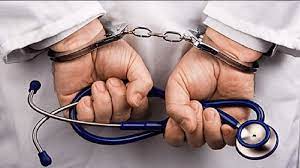
PITURAGARH, UK — In a development that has sent shockwaves through the medical fraternity and rural communities alike, a third-year MBBS student from the prestigious Government Medical College (GMC) Haldwani was arrested on February 24, 2026. The student, along with a female accomplice pursuing paramedical studies, was apprehended for a daylight chain-snatching incident in the Munsyari area of Pithoragarh. The swift police action, which saw the recovery of stolen gold within 24 hours, has sparked a national conversation regarding the psychological pressures on medical students and the safety of women in rural agricultural zones.
The Incident: A Deceptive Ruse in Broad Daylight
The victim, Mamta Devi (approximately 40 years old), was walking toward her mustard fields near Bangapani Toli village around 10:00 AM when she was approached by two individuals on a red motorcycle. Using a common criminal tactic—claiming they had “no network” and needed to borrow a mobile phone—the duo established proximity to the victim.
According to police reports, as Devi continued her walk, 25-year-old Sunny Singh, a Delhi native and medical student, allegedly restrained her while 23-year-old Himani Bora snatched two gold necklaces. The stolen jewelry, weighing between 1 to 1.5 tolas, represented a significant financial and personal loss for the local resident.
Swift Law Enforcement Response
Under the leadership of SHO Megha Sharma and Jauljibi Additional Sub-Inspector Satendra Pal Singh, the police utilized a combination of CCTV analysis and local intelligence. The duo was intercepted at the Garjia (Gori) Bridge while attempting to flee the district.
The accused have been booked under the Bharatiya Nyaya Sanhita (BNS):
-
Section 304(3): Pertaining to snatching.
-
Section 317: Pertaining to the receipt of stolen property.
Profiles of the Accused: From Healers to Offenders
The arrest of Sunny Singh is particularly jarring given his standing at GMC Haldwani. Established in 1997, the college is a cornerstone of healthcare in Uttarakhand, affiliated with the Hemwati Nandan Bahuguna Uttarakhand Medical Education University and linked to the 600-bed Susheela Tiwari Memorial Hospital.
Himani Bora, described as a paramedical associate, reportedly had family ties to the village, which may have allowed her to blend in during the days leading up to the crime. While Singh traveled from Haldwani to join her on February 23, the execution of the crime the following morning suggests a level of premeditation that has baffled investigators.
The Broader Context: Medical Ethics and Mental Health
While this incident is an outlier, it highlights a growing concern regarding the “moral drift” and psychological state of students in high-pressure professional courses.
Expert Perspective
Dr. Arvinth Kumar (name simulated), a veteran medical educator in Uttarakhand, notes that while the vast majority of students maintain the highest ethical standards, the environment is increasingly taxing.
“We must look at this as a systemic wake-up call. When a student trained to save lives turns to crime, we have to ask what failed in their support system. Is it financial desperation, substance influence, or a lack of robust ethical counseling during their clinical years?”
Statistical Landscape of Crime and Healthcare
Nationwide data shows a troubling trend in snatching incidents, with some urban centers reporting up to a 36% increase in such crimes over recent years. Simultaneously, the medical community itself is under stress; a 2024 study published in PMC indicated that nearly 75% of Indian doctors have faced some form of violence or harassment, contributing to a volatile professional atmosphere.
| Category | Statistic/Finding |
| GMC Haldwani Intake | 100 MBBS students annually |
| Incident Recovery Time | Under 24 hours |
| Student Concerns | 97% of medical students worry about workplace violence |
| Legal Framework | Charged under BNS 304(3) and 317 |
Public Health and Safety Implications
This incident serves as a critical reminder of the vulnerabilities faced by women in rural agricultural settings. For public health outreach teams and ASHAs (Accredited Social Health Activists) who frequently travel alone in these hilly terrains, safety is a paramount concern.
For the General Public:
-
Situational Awareness: Experts advise against handing over mobile devices to strangers in isolated areas, even under the guise of an emergency.
-
Concealment: When working in fields or remote zones, it is recommended to keep valuable jewelry concealed or at home to avoid becoming an opportunistic target.
For the Medical Community:
The case underscores the need for comprehensive mental health screenings and financial counseling for students. The transition from a student in Delhi to a suspect in a rural snatching case suggests a disconnect that academic curriculum alone cannot bridge.
Limitations and Future Outlook
It is essential to note that these are early investigative findings. While the physical evidence (the motorcycle and recovered jewelry) is substantial, the trial will determine the ultimate culpability and motive. Furthermore, this isolated incident should not be used to disparage the reputation of GMC Haldwani, which continues to provide essential medical services to the underserved populations of the Kumaon region.
As the legal proceedings move forward, the medical fraternity awaits a statement from the college administration regarding potential disciplinary actions or changes to student welfare protocols.
Reference Section
- https://medicaldialogues.in/state-news/uttrakhand/haldwani-medical-college-mbbs-student-arrested-for-chain-snatching-in-uttarakhand-165499
Medical Disclaimer: This article is for informational purposes only and should not be considered medical advice. Always consult with qualified healthcare professionals before making any health-related decisions or changes to your treatment plan. The information presented here is based on current research and expert opinions, which may evolve as new evidence emerges.