 0
0
 0
0
A Growing Public Health Crisis in Central Africa
GENEVA / BUNIA — The deadly Ebola outbreak in the Democratic Republic of Congo (DRC) has not yet reached its peak and could persist for another year, according to a stark warning issued by the Red Cross on June 16, 2026. Since the outbreak was officially declared on May 15, 2026, at least 808 confirmed cases have been reported in the DRC, resulting in 192 deaths, according to the latest World Health Organization (WHO) figures. The epidemic has already breached international borders, spreading to neighboring Uganda, which has reported 19 confirmed cases and two fatalities.
The rapid expansion of the disease has mobilized international health agencies, but humanitarian workers on the ground warn that structural challenges, conflict, and the unique biology of the virus strain are significantly outpacing the global response.
Key Findings: The Peak Is Still Ahead
Bruno Michon, operations manager for the International Federation of Red Cross and Red Crescent Societies (IFRC) for this outbreak, delivered a concerning assessment via video link from Bunia, the capital of the DRC’s northeastern Ituri province—the current epicenter of the epidemic.
“The peak is, I think, not beyond us, but in front of us,” Michon told reporters in Geneva. “We are afraid that this could last one year before the epidemic is over.”
Michon emphasized the extreme difficulty in assessing the true scale of the epidemic’s spread, noting that deep “blind spots” in local surveillance infrastructure make it nearly impossible to determine exactly how far the virus has traveled.
Critical Statistics at a Glance
The following data highlights the scope of the current outbreak as of mid-June 2026:
| Metric | Figure | Primary Source |
| Confirmed Cases (DRC) | 808 | World Health Organization (WHO) |
| Confirmed Deaths (DRC) | 192 | World Health Organization (WHO) |
| Case Fatality Rate (DRC) | 23.4% | Ministère de la Santé RDC |
| Confirmed Cases (Uganda) | 19 | World Health Organization (WHO) |
| Confirmed Deaths (Uganda) | 2 | World Health Organization (WHO) |
| Historical Context | 17th Outbreak | DRC History since 1976 |
The Unprecedented Challenge: No Approved Vaccine or Treatment
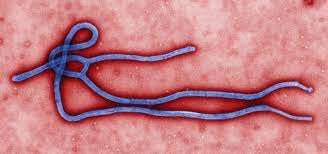
This outbreak presents a uniquely difficult public health challenge because it is caused by the Bundibugyo strain of the Ebola virus—a rare variant for which no approved vaccines or therapeutics currently exist.
Unlike the more common Zaire strain, which was successfully contained in recent years using Merck’s Ervebo and Johnson & Johnson’s vaccines, the Bundibugyo virus possesses a different genetic structure. Consequently, Zaire-specific tools do not offer protection against it.
The WHO has indicated that manufacturing a specific rVSV Bundibugyo vaccine could take between six to nine months. In its official emergency declaration, the organization noted:
“Unlike for Ebola-Zaire strains, there are currently no approved Bundibugyo virus-specific therapeutics or vaccines. As such, this event is considered extraordinary.”
To counter this vulnerability, the Africa Centres for Disease Control and Prevention (Africa CDC) announced that accelerated development is underway, aiming to have a Bundibugyo-specific vaccine and corresponding therapeutics ready by the end of 2026.
Understanding the Bundibugyo Strain
First identified during a 2007–2008 outbreak in the Bundibugyo district of Uganda, this strain behaves differently than its more infamous counterpart, Ebola-Zaire.
| Characteristic | Bundibugyo Strain | Zaire Strain (Comparison) |
| Mortality Rate | 30% to 40% | Up to 90% |
| Incubation Period | 8 to 10 days (up to 21 days) | 8 to 10 days (up to 21 days) |
| Approved Vaccine | None (In development for late 2026) | Yes (Ervebo, Johnson & Johnson) |
| Viral Replication | Slower baseline pace | Rapid, leading to high viral loads |
Expert Commentary: The Response Is Outpacing Efforts
Independent medical experts working in the region paint a sobering picture of the containment efforts. Kate White, emergency medical coordinator for Médecins Sans Frontières (Doctors Without Borders / MSF) in the DRC, warned that international intervention is falling dangerously behind.
“One month on, the Ebola disease outbreak is outpacing the response effort,” White stated on June 15. “No one knows the true scale or exactly where the disease is spreading in DRC. Testing remains one of the most significant weaknesses.”
According to MSF, most treatment centers in Ituri province are already overwhelmed. Patients are arriving at healthcare facilities at advanced stages of the illness, and the vast majority of new cases consist of individuals who were never identified or monitored through traditional contact tracing networks.
WHO spokesman Tarik Jasarevic acknowledged these gaps during a Geneva briefing, confirming that there are active “transmission chains that are not being detected.” Humanitarian organizations like Oxfam have attributed these critical surveillance failures to severe funding shortfalls and the previous withdrawal of international disease surveillance funding.
Why This Outbreak Is Particularly Dangerous
1. Conflict and Mass Displacement
The three affected provinces in northeastern DRC—Ituri, North Kivu, and South Kivu—have been destabilized by decades of armed conflict and mass population displacement. Ituri province alone accounts for nearly 95% of the current caseload. Rising conflict casualties are actively straining an already fragile healthcare system, leaving local hospitals ill-equipped to manage an influx of highly infectious patients.
2. A Crisis of Community Trust
The long-term absence of stable state infrastructure has fueled a deep trust deficit between local populations and authorities. This directly impacts healthcare delivery.
Michon reported that DRC Red Cross volunteers have faced verbal abuse, threats, and physical violence while attempting to conduct community outreach. “Trust is central,” Michon emphasized. “Without trust, we cannot detect cases early. We cannot ensure safe burials. We cannot protect families. And we cannot stop transmission.”
3. Geographic Expansion Risks
The virus has already traveled from rural epicenters into Uganda’s capital city, Kampala, via infected travelers. The Congolese National Institute of Public Health issued a warning stating that a sudden, massive geographic expansion remains a primary fear if strict public health measures are not enforced immediately. Because of these factors, WHO Director-General Tedros Adhanom Ghebreyesus declared the situation a Public Health Emergency of International Concern (PHEIC) on May 17, 2026.
Implications for Public Health
For Healthcare Professionals
-
Heightened Surveillance: Clinics must implement rigid screening protocols for travelers arriving from Central Africa showing unexplained febrile illness.
-
Infection Control: Strict adherence to personal protective equipment (PPE) protocols is mandatory, as health workers face a high risk of exposure to infectious bodily fluids.
-
Safe Burials: Traditional funeral practices involving contact with the deceased must be replaced with medically supervised safe burials to halt community transmission.
For Health-Conscious Consumers
Ebola is not an airborne virus; it spreads via direct contact with the bodily fluids (blood, saliva, vomit, sweat) of an infected person or animal, or through contaminated surfaces.
[Exposure to Fluids/Objects] ➔ [Incubation: 8-10 Days] ➔ [Sudden Onset: Fever & Fatigue] ➔ [Advanced: Bleeding & Organ Failure]
Early symptoms include the sudden onset of fever, fatigue, muscle aches, headache, and a sore throat. As the disease progresses, it causes vomiting, diarrhea, internal and external bleeding, and multi-organ failure.
Global Risk Assessment: For readers residing outside of Central Africa, the immediate risk remains low. The U.S. Centers for Disease Control and Prevention (CDC) has confirmed zero cases within the United States and maintains that the domestic risk is minimal. However, neighboring East African nations face elevated risks, prompting enhanced cross-border screening along major transportation corridors.
Medical Disclaimer
Medical Disclaimer: This article is for informational purposes only and should not be considered medical advice. Always consult with qualified healthcare professionals before making any health-related decisions or changes to your treatment plan. The information presented here is based on current research and expert opinions, which may evolve as new evidence emerges.
References
Study and Official Reports
- https://www.reuters.com/business/healthcare-pharmaceuticals/red-cross-says-congo-ebola-epidemic-yet-peak-may-last-year-2026-01-08/