 0
0
 0
0
February 19, 2026
INDIANAPOLIS — In a milestone for integrated metabolic and inflammatory care, Eli Lilly and Company announced on February 18, 2026, that a combination of its blockbuster weight-loss drug, Zepbound (tirzepatide), and its psoriasis treatment, Taltz (ixekizumab), significantly outperformed Taltz alone in treating patients struggling with both moderate-to-severe plaque psoriasis and obesity. The Phase 3b TOGETHER-PsO trial met its primary and all key secondary endpoints, suggesting that addressing the “internal” metabolic health of a patient is just as critical as treating the “external” skin symptoms.
A New Frontier in Holistic Treatment
For decades, dermatology and metabolic medicine have largely operated in silos. However, the results of the TOGETHER-PsO trial may force a reconciliation. The study randomized 274 adults into two groups: one receiving Taltz monotherapy and the other receiving a combination of Taltz and Zepbound.
What set this trial apart was the high disease burden of its participants. The average Body Mass Index (BMI) was over $39\text{ kg/m}^2$, nearly 10 points higher than the average participant in typical psoriasis trials. Furthermore, 97% of these patients suffered from psoriasis in “sensitive areas”—such as the face, scalp, or genitals—which are notoriously difficult to treat and carry a heavy psychological toll.
Key Findings at 36 Weeks
The data revealed a stark contrast between the two treatment paths:
-
The Primary Endpoint: 27.1% of patients in the combination group achieved both complete skin clearance (measured as a PASI 100 score) and at least 10% total weight loss. In the group taking Taltz alone, only 5.8% reached that dual milestone ($p < 0.001$).
-
Skin Clearance Boost: Even when looking strictly at the skin, the combination therapy excelled. 40.6% of those on the combo achieved PASI 100, compared to 29.0% of those on Taltz alone—a 40% relative improvement.
The Biological Link: Why Weight Matters in Psoriasis
Psoriasis is more than a skin condition; it is a systemic inflammatory disease. In the United States, approximately 61% of people living with psoriasis are also classified as overweight or obese.
“Psoriasis and obesity share common inflammatory pathways that feed into one another,” explains Mark Lebwohl, M.D., Professor and Emeritus Dean for Clinical Therapeutics at the Icahn School of Medicine at Mount Sinai, and the trial’s principal investigator. “This study reinforces psoriasis as an obesity-related condition. By treating both simultaneously, we aren’t just clearing skin; we are addressing the underlying systemic environment.”
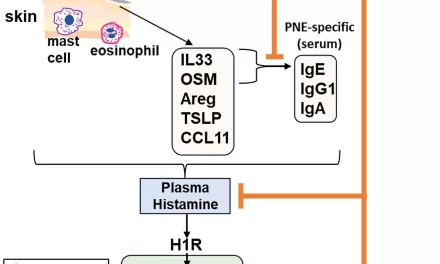
Taltz works by targeting interleukin-17A (IL-17A), a protein that signals the immune system to create the rapid skin cell turnover characteristic of psoriasis. Zepbound, a dual GLP-1 and GIP receptor agonist, mimics gut hormones to regulate appetite and blood sugar. Research has long suggested that excess adipose tissue (body fat) acts as an endocrine organ, secreting pro-inflammatory cytokines that can make biologics like Taltz less effective. By reducing that fat, Zepbound essentially “unmasks” the full potential of the psoriasis treatment.
Expert Perspectives and Potential Hurdles
While the results are being hailed as a “win-win” for patients, independent experts urge a measured approach to clinical implementation.
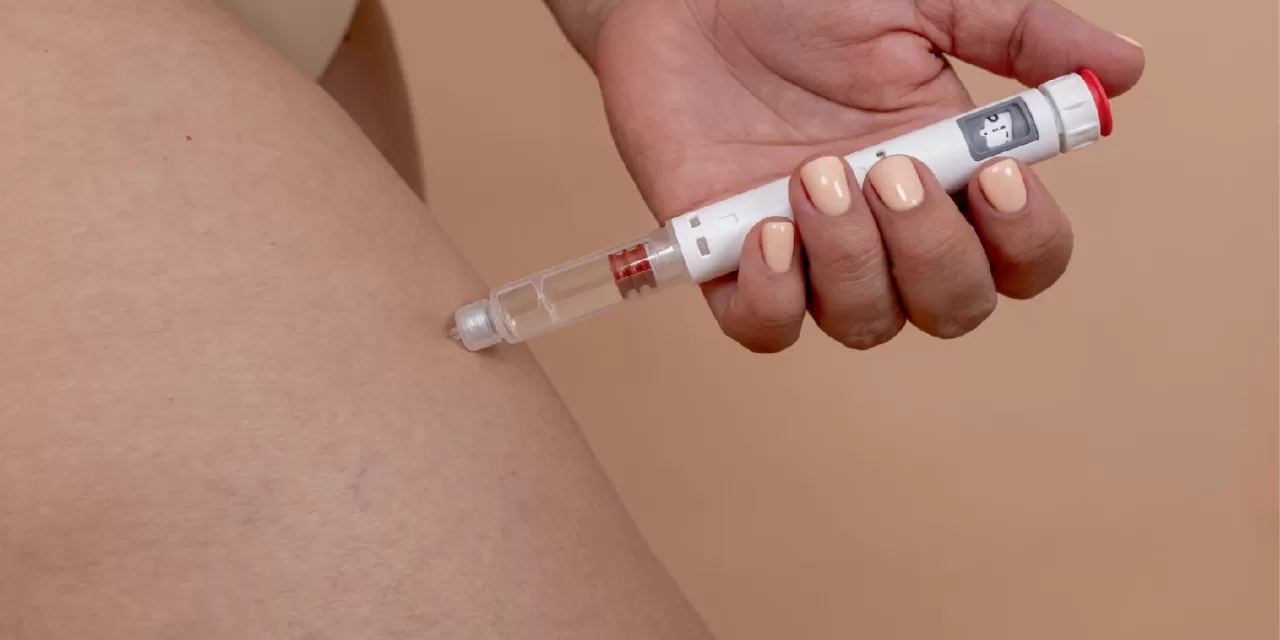
“The results are remarkable, especially for patients with such high BMIs who often feel left behind by standard therapies,” says April Armstrong, M.D., a dermatologist not involved in the trial. “However, we must consider the ‘real-world’ aspect. We need to monitor for additive side effects and ensure patients can adhere to a regimen involving multiple subcutaneous injections.”
Safety Profile
The safety data from the trial was consistent with the known profiles of each drug:
-
Zepbound: Common side effects included nausea, diarrhea, and vomiting, typically appearing during the dose-escalation phase.
-
Taltz: Injection-site reactions and a slightly increased risk of upper respiratory infections were noted, which is standard for IL-17 inhibitors.
-
No New Signals: Importantly, combining the two drugs did not appear to create new or unexpected safety risks.
Public Health and Daily Life Implications
For the estimated 10 to 12 million people in the U.S. living with psoriasis, this trial offers a roadmap for more comprehensive care. Beyond the physical discomfort of itchy, scaly plaques, psoriasis is deeply linked to depression, social withdrawal, and cardiovascular disease.
For a patient, this data means that a conversation with their doctor should no longer be limited to “How does your skin look?” but should include “How is your metabolic health affecting your skin?”
The Cost Barrier
Despite the clinical success, the “elephant in the room” remains accessibility. With Zepbound and Taltz each carrying list prices that can exceed $1,000 per month, the combination therapy may be financially out of reach for many without robust insurance coverage. Public health advocates argue that while the upfront cost is high, the long-term savings from preventing diabetes, heart disease, and work absenteeism could be significant.
Limitations and Looking Ahead
The TOGETHER-PsO trial was open-label, meaning both the researchers and the participants knew which medication they were receiving. While PASI scores are objective measures, the lack of “blinding” can sometimes introduce subtle bias in reporting. Furthermore, the 36-week window provides a “snapshot” of success, but long-term durability—what happens at year two or three—remains to be seen.
Lilly plans to submit the full results for publication in a peer-reviewed medical journal later this year and will continue discussions with global regulatory authorities.
The Bottom Line: For patients trapped in the cycle of obesity and resistant psoriasis, the “Together” approach suggests that the path to clear skin may very well run through a healthier metabolism.
Medical Disclaimer
This article is for informational purposes only and should not be considered medical advice. Always consult with qualified healthcare professionals before making any health-related decisions or changes to your treatment plan. The information presented here is based on current research and expert opinions, which may evolve as new evidence emerges.
References
-
Eli Lilly and Company. (2026, February 18). Lilly’s Taltz (ixekizumab) and Zepbound (tirzepatide) used together delivered superior efficacy in Phase 3b TOGETHER-PsO trial. PR Newswire.