 0
0
 0
0
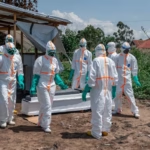
KINSHASA, Democratic Republic of the Congo — The number of confirmed Ebola cases in the Democratic Republic of the Congo (DRC) has risen to 1,502, including 473 deaths, according to official data released in early July 2026. Infections have been recorded across multiple eastern provinces, prompting international health authorities to warn that deep-seated surveillance gaps and geographic access barriers mean the true toll of the virus is likely higher. First declared on May 15, 2026, the rapidly evolving outbreak is driven by the Bundibugyo species of the virus and has already crossed international borders, with linked cases identified in Kampala, the capital of neighboring Uganda.
An Unprecedented Trajectory
The current outbreak has set an alarming pace. Within its first month, health authorities logged more than 1,000 confirmed cases—an unusually rapid early spike for Ebola disease. The current tally of 1,502 cases firmly establishes this event as one of the largest Ebola outbreaks recorded in the DRC in recent years.
Most of the infections remain concentrated in the volatile northeastern provinces of Ituri, North Kivu, and South Kivu. However, the virus’s movement into major population centers and across borders has significantly escalated the regional risk profile.
“This outbreak produced the largest number of confirmed cases in the first month of any Ebola outbreak in Africa,” noted Dr. Abdirahman Mahamud of the World Health Organization’s (WHO) Health Emergency Operations. He emphasized that the velocity of the transmission underscores an urgent need for scaled-up, aggressive control measures.
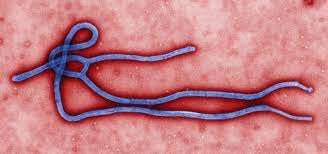
Unlike the more common Zaire species of the virus, which has been the target of highly effective vaccines in recent years, the Bundibugyo species has historically appeared more sporadically. It causes a spectrum of illness ranging from mild febrile disease (fever) to severe hemorrhagic manifestations (bleeding).
The True Toll: Why Official Numbers Lag
While the reported deaths stand at 473, independent epidemiologists and international agencies caution that aggregate fatality ratios remain provisional. In past outbreaks, final case-fatality rates have shifted as frontline teams identified milder, asymptomatic infections, or as delayed laboratory confirmations finally caught up with field data.
The discrepancy between official numbers and reality on the ground is a major point of concern for response teams. The DRC Ministry of Health primarily reports confirmed cases, while suspected and probable cases are tracked through separate epidemiological pipelines.
Independent public health experts point out that several factors obscure the full view of the crisis:
-
Conflict and Insecurity: Eastern DRC is plagued by active armed conflict, making certain hot zones entirely inaccessible to health workers.
-
Logistical Friction: Transporting blood samples from remote villages to specialized confirmation laboratories can take days.
-
Community Trust: Fear of isolation protocols sometimes leads families to care for sick relatives at home, hidden from surveillance teams.
Health System Strain and Regional Risks
The sheer volume of cases is putting immense pressure on local infrastructure. Viral hemorrhagic fevers require intensive, specialized care environments. When hundreds of patients flood local clinics, it drastically reduces the system’s capacity to treat everyday killers like malaria, measles, and maternal health complications. Furthermore, without rigid infection prevention and control (IPC) protocols, clinics themselves can become amplification points for the virus.
Because cases have now been confirmed in Uganda, international health groups are pushing for seamless, cross-border data synchronization. Rapidly isolating patients, conducting thorough contact tracing, and implementing safe, dignified burial practices remain the cornerstone interventions needed to break the chains of transmission.
Limitations and Uncertainties in the Data
Global health bodies, including the U.S. Centers for Disease Control and Prevention (CDC) and the European Centre for Disease Prevention and Control (ECDC), stress that situational data is highly fluid. Numbers fluctuate from week to week as remote investigations yield new findings.
Additionally, clinical variability makes field diagnosis difficult. Because early symptoms of the Bundibugyo virus closely mimic malaria, typhoid, and influenza, misdiagnosis is common in the absence of rapid laboratory testing. Public health analysts advise looking at long-term epidemiological trends rather than day-to-day fluctuations to gauge whether containment efforts are working.
What This Means for Readers
For the global community, health agencies emphasize that the risk remains localized to East and Central Africa. As of late June 2026, no cases linked to this outbreak have been reported in the United States or Europe. However, international airports and border entries maintain standard surveillance protocols to identify and manage potential importations.
For residents, humanitarian workers, and travelers currently in the affected regions, public health authorities advise strict adherence to local directives:
-
Seek Early Care: Any sudden onset of fever, severe headache, or muscle pain should be evaluated immediately by medical professionals, particularly if there is a known history of exposure.
-
Infection Prevention: Avoid direct physical contact with individuals showing signs of illness, and refrain from touching bodily fluids.
-
Safe Practices: Cooperate fully with trained medical teams regarding the safe handling and burial of deceased individuals, as bodies remain highly infectious after death.
In an era of rapid information sharing, health officials urge the public to cross-reference updates with established entities like the WHO, CDC, or national ministries of health, rather than relying on unverified social media reports.
References & Sources
Institutional Reports & Data
-
World Health Organization (WHO). “Ebola disease caused by Bundibugyo virus, Democratic Republic of the Congo & Uganda.” Disease Outbreak News, July 3, 2026.
Medical Disclaimer: This article is for informational purposes only and should not be considered medical advice. Always consult with qualified healthcare professionals before making any health-related decisions or changes to your treatment plan. The information presented here is based on current research and expert opinions, which may evolve as new evidence emerges.