 0
0
 0
0
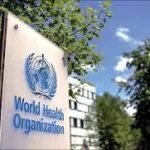
NEW DELHI — In a decisive move to counter the escalating threats of climate-related disasters and infectious disease outbreaks, the World Health Organization (WHO) and Member States of the South-East Asia Region met virtually in early July 2026. The high-level working group convened to review and negotiate an ambitious expansion of the South-East Asia Regional Health Emergency Fund (SEARHEF). Facing an era of increasingly frequent and complex health crises, regional leaders are rushing to overhaul the mechanism to ensure faster, more sustainable emergency financing and proactive preparedness support across a territory home to over two billion people.
Scaling Up the Region’s Financial First Responder
Established in 2008 following the catastrophic 2004 Indian Ocean tsunami, SEARHEF serves as the region’s primary financial first responder. It is designed to bypass traditional bureaucratic red tape and deliver flexible funding within 24 hours of an emergency declaration.
According to WHO historical data, the fund has supported 51 major emergencies across 10 Member States since its inception, disbursing more than $8.2 million for immediate crisis response. Beyond frontline relief, it has quietly financed foundational health security infrastructure, including regional medical stockpiles, rapid response teams, and emergency operations centers.
However, public health demands have drastically outpaced the fund’s original blueprint. To meet this challenge, the working group reviewed a comprehensive Resource Mobilization Strategy. This new strategy aims to diversify SEARHEF’s funding stream by aggressively engaging non-traditional donors, philanthropic organizations, development partners, and the private corporate sector.
The recommendations forged during this meeting are slated for formal consideration at the Seventy-ninth Session of the WHO Regional Committee for South-East Asia in September 2026, a milestone that will legally and operationally shape the fund’s trajectory for the coming decade.
Shifting From Reactive Relief to Active Preparedness
Currently, SEARHEF operates through a dual-stream framework optimized for speed and resilience:
-
The Response Stream: Capable of releasing up to $350,000 per emergency in two rapid tranches to address immediate, life-saving needs like trauma care and clean water access.
-
The Preparedness Stream: Formulated to build long-term institutional resilience, supporting country-specific capacity building under strictly defined regional rules.
This is not the first time member states have recognized the need for a larger safety net. In late 2024, member nations agreed to treble SEARHEF’s core corpus to $3 million—an expansion officially taking effect this year in 2026.
The current proposals take this evolution a step further. Instead of relying solely on cash reserves, the new strategy seeks to secure predictable in-kind contributions directly from South-East Asia’s robust manufacturing and logistics sectors. Proponents argue that pre-arranging supplies of essential medicines, personal protective equipment (PPE), and cold-chain assets will eliminate the procurement delays that traditionally bog down international aid.
Furthermore, a heavily fortified Preparedness Stream will allow countries to fund pre-emptive interventions. This means running large-scale simulation exercises, upgrading regional epidemiologic surveillance networks, and stabilizing supply chains before a pathogen or cyclone strikes.
Expert Perspectives: The Power and Pitfalls of Pooled Funds
WHO regional leadership has long lauded SEARHEF as a model of efficiency, routinely hitting its target of delivering financial aid within 24 hours when operational criteria are met. Yet, independent public health experts urge balanced optimism.
“Regional pooled funds are exceptionally valuable because they provide immediate liquidity when international bilateral aid is still bogged down in administrative approvals,” says Dr. Aristha Senaratne, an independent international public health policy analyst not involved in the WHO working group. “However, the Achilles’ heel of any pooled fund is replenishment. If multiple climate disasters or epidemics strike simultaneously—as we are increasingly seeing in Asia—a small corpus can be depleted in weeks.”
Dr. Senaratne notes that shifting toward private sector partnerships and in-kind donations introduces a layer of complexity. “Relying on voluntary corporate contributions requires stringent governance, absolute transparency, and ironclad monitoring frameworks to ensure that the supplies provided match the actual clinical needs on the ground, rather than what corporations wish to offload.”
A ten-year milestone evaluation of SEARHEF previously highlighted that while the fund excels at bridging the critical 48-hour gap, its disbursement ceilings—historically capped per emergency—mean it cannot, and should not, be viewed as a tool for long-term reconstruction or prolonged pandemic response. It requires seamless coordination with massive multilateral mechanisms like the World Bank and major bilateral donors.
Public Health Implications: What This Means for Communities
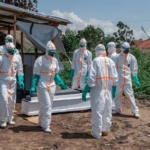
The real-world implications of a fortified SEARHEF are profound. In public health, time is measured in human lives. Rapid funding in the initial days of a crisis allows for immediate epidemiological assessments, swift deployment of vaccines, and the establishment of clean water stations. These early steps can stop a localized outbreak of cholera or typhoid from spiraling into a secondary regional disaster following an earthquake or flood.
From an economic perspective, investing in preparedness yields a high return on investment. According to health economics data, every dollar spent reinforcing emergency operations centers and frontline surveillance saves multiple dollars in emergency medical response costs later, while ensuring that routine healthcare—such as maternal care and childhood immunizations—does not collapse during a shock.
For frontline health workers and local community responders across South-East Asia, these structural reforms will materialize as expanded access to specialized training, superior regional supply-chain readiness, and better-equipped local clinics. Ultimately, the expansion of SEARHEF signals a fundamental shift in how the region handles health security: moving away from simply surviving the next crisis, and moving toward actively preventing it.
References
-
World Health Organization. WHO, Member States discuss expanding South-East Asia Regional Health Emergency Fund SEARHEF. WHO Regional Office for South-East Asia News Release; July 1, 2026.
Medical Disclaimer: This article is for informational purposes only and should not be considered medical advice. Always consult with qualified healthcare professionals before making any health-related decisions or changes to your treatment plan. The information presented here is based on current research and expert opinions, which may evolve as new evidence emerges.