 0
0
 0
0
NEW DELHI — In a major push for student safety, the Federation of All India Medical Associations (FAIMA) has written an urgent letter to Prime Minister Narendra Modi, dated June 23, 2026, demanding immediate and stringent action against commercial coaching centres preparing medical aspirants. The national doctors’ body cited severe overcrowding, inadequate ventilation, critical fire-safety lapses, and structural hazards that routinely place thousands of young students at extreme risk across the country.
Key Findings and Escalating Safety Violations
In its formal representation to the Prime Minister, FAIMA alleged that many coaching institutes operate out of highly congested commercial and residential buildings that violate basic municipal codes. The association highlighted that students preparing for highly competitive medical entrance examinations are frequently forced to sit for 10 to 12 hours a day in cramped basements or multi-storey units. These facilities often lack functional fire escapes, adequate ventilation systems, or safe exit routes.
To address these vulnerabilities, FAIMA has demanded the strict enforcement of the Ministry of Education’s Guidelines for Regulation of Coaching Centers, 2024. The doctors’ body is calling for a comprehensive overhaul of current oversight mechanisms, including:
-
Mandatory Certification: Requiring all operational coaching centres to publicly display verified fire-safety certificates and structural compliance documents.
-
Stricter Penalties: Implementing heavy financial penalties and immediate de-registration for facilities found violating safety protocols.
-
Joint Municipal Audits: Conducting unannounced, surprise inspections led jointly by municipal authorities, local fire departments, and medical regulators.
-
Criminal Accountability: Levying strict criminal charges under the Bharatiya Nyaya Sanhita against owners and operators whose serious negligence endangers student lives.
FAIMA warned that if immediate administrative action is not taken, the association may escalate the matter through nationwide protests—a clear indication of the medical community’s intent to press for systemic policy enforcement.
Context and Background: The Rise of Coaching Hubs
Coaching centres for competitive medical exams—such as the National Eligibility cum Entrance Test for Postgraduates (NEET-PG), the Foreign Medical Graduates Examination (FMGE), and the Institute of National Importance Combined Entrance Test (INI-CET)—have formed dense, highly commercialized clusters in several major Indian cities. These urban hubs attract hundreds of thousands of aspirants annually, with families often paying exorbitant fees for intensive classroom instruction.
Common Structural Lapses Identified in Coaching Hubs:
├── Congested Basements (Used for teaching despite legal prohibitions)
├── Absent or Blocked Fire Escapes
├── Inadequate Mechanical Ventilation / Lack of Fresh Air
└── Over-capacity Enrolment exceeding permissible floor-area ratios
While the Ministry of Education issued a comprehensive regulatory framework in 2024—which mandated a minimum floor area per student and explicitly restricted basement teaching—FAIMA’s letter stresses that these rules remain nominal in practice. This latest appeal follows a series of high-profile safety incidents and building collapses connected to coaching hub infrastructures. Medical associations have increasingly stepped into advocacy roles, previously demanding independent probes and compensation for affected students following structural failures. This pattern reflects a growing trend of professional medical bodies seeking federal intervention to address systemic student welfare and public health issues.
Implications for Public Health and Student Safety
From a public health perspective, the environmental conditions within non-compliant coaching centres pose both acute and chronic health risks. Spending 10 to 12 hours in poorly ventilated, overcrowded spaces significantly increases the transmission of airborne respiratory infections and can exacerbate chronic conditions such as asthma. Furthermore, inadequate climate control in densely packed rooms presents a distinct risk of heat-related illnesses during peak summer months.
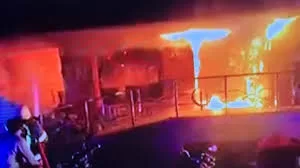
In the event of an emergency, the hazards multiply exponentially. High occupancy limits combined with blocked or non-existent fire exits create a high probability of stampedes, rapid smoke inhalation, and mass casualties if a fire or structural failure occurs.
By enforcing strict occupancy limits and requiring verified fire-safety certificates, municipal authorities can align these educational spaces with basic public safety norms. Proactive joint audits would provide much-needed institutional accountability and reassure anxious parents and students.
Balanced Perspective: Enforcement Hurdles and Counterarguments
While the call for immediate de-registration and criminal accountability targets critical safety gaps, industry stakeholders suggest that an abrupt crackdown could introduce practical complications. Some coaching operators argue that applying severe penalties without a phased compliance window could disrupt the academic timelines of thousands of students who are in the middle of critical exam preparation cycles.
Additionally, state and local authorities face significant enforcement challenges. Municipal building codes, fire department capacities, and local licensing protocols vary widely across different states and municipalities. Implementing rigorous, surprise joint audits at scale requires substantial administrative coordination, funding, and personnel, which may strain local regulatory bodies. Policymakers must therefore balance the urgent need for safety enforcement with structured transition paths to avoid abruptly displacing students without viable learning alternatives.
What This Means for Readers: Practical Steps for Parents and Students
For health-conscious consumers, parents, and medical aspirants, evaluating a facility’s physical environment is just as vital as reviewing its academic reputation. Before enrolling in any coaching program, families are advised to utilize the following safety checklist:
-
Verify Certification: Confirm that the institute visibly displays a valid, up-to-date fire-safety certificate issued by the local fire department.
-
Inspect the Layout: Avoid facilities that conduct core classes in basements or upper floors that feature only a single, narrow staircase. Ensure that clearly marked fire exits are unobstructed.
-
Assess Occupancy and Ventilation: Observe whether classrooms appear dangerously overcrowded or lack adequate airflow and functioning exhaust systems.
-
Locate Safety Equipment: Check for well-maintained, accessible fire extinguishers and functional smoke detectors.
Local municipal authorities and institutional regulators can further mitigate these risks by establishing transparent, anonymous complaint portals, allowing staff and students to report safety violations without fear of retribution.
Reference Section
Source Citations & Media Reporting
-
Primary News Source: Business Standard, “FAIMA urges PM Modi to crack down on unsafe medical coaching centres,” published June 22, 2026. (Review of FAIMA’s formal letter dated June 23, 2026).
Medical Disclaimer: This article is for informational purposes only and should not be considered medical advice. Always consult with qualified healthcare professionals before making any health-related decisions or changes to your treatment plan. The information presented here is based on current research and expert opinions, which may evolve as new evidence emerges.