 0
0
 0
0
JAIPUR, INDIA — In an unprecedented administrative intervention, the Rajasthan Health Department has launched a massive, five-day Special Intensive Screening Campaign to audit maternal care across the state. In the first 48 hours of the drive, health authorities reviewed the medical records of 106,264 pregnant women and conducted deep clinical assessments of 15,504 high-risk pregnancies.
The rapid mobilization follows a string of recent maternal deaths across several districts that raised urgent red flags regarding the quality of antenatal care (ANC), facility safety, and structural accountability within the state’s healthcare machinery. Directed by the state medical and health minister, the campaign aims to identify immediate gaps in clinical management, standardize referral networks, and prevent avoidable mortality through real-time data monitoring.
Inside the Rapid Response: Tracking Gaps in Real Time
The scale of the five-day audit represents a significant logistical undertaking. Beyond record digitizations, state officials conducted direct field verifications with 6,794 pregnant women to cross-check the care they received against clinical documentation. Simultaneously, teams inspected 3,808 health institutions—ranging from primary health centers to district hospitals—evaluating standard operating procedures for antenatal care, record maintenance, and emergency readiness.
To prevent the administrative lag that often hampers bureaucratic public health initiatives, the health department mandated that all inspection reports be uploaded to a centralized state supervision portal on the same day. This real-time oversight allows state health strategists to immediately flag facility deficits, such as missing diagnostic kits or broken referral loops, and deploy corrective interventions dynamically.
The Clinical Stakes: Why Screening High-Risk Pregnancies is Critical
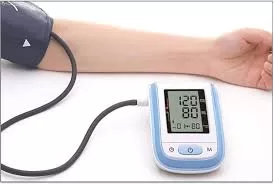
Focusing heavily on the 15,504 high-risk cases is a scientifically grounded public health strategy. Maternal health complications such as severe anemia, gestational hypertension (high blood pressure), diabetes, kidney disease, and latent infections are leading drivers of maternal mortality, yet they remain highly treatable if intercepted early.
According to global guidelines from the World Health Organization (WHO), comprehensive antenatal care requires a structured framework of continuous risk assessment rather than isolated, sporadic checkups. The WHO operational model mandates a minimum of eight health contacts during an uncomplicated pregnancy. Each contact serves as a clinical safety checkpoint to monitor blood pressure, perform essential laboratory tests, administer preventive treatments, and systematically map out emergency delivery plans.
The Systematic Delay Trap in Maternal Care
The crisis in Rajasthan highlights a classic paradox in global public health: the gap between “paper capacity” and real-world execution. Maternal health specialists often point to the “Three Delays” model to explain preventable maternal mortality:
-
Delay in deciding to seek care due to a lack of awareness regarding warning signs.
-
Delay in reaching a health facility due to geographic, financial, or transport barriers.
-
Delay in receiving adequate care once at the facility due to shortages of staff, medicine, or blood products.
Rajasthan’s aggressive campaign attempt to compress the first two delays by proactively stratifying risk in the community and pre-planning transport pathways. However, public health experts emphasize that data entry alone does not save lives.
“Mass screening drives are incredibly valuable for mapping systemic vulnerabilities, but their ultimate success depends entirely on the quality of the clinical follow-through,” says Dr. Anita Sen, an independent maternal health specialist and public health consultant not involved in the state audit. “Flagging a woman as ‘high-risk’ only works if there is a staffed, equipped facility ready to receive her when she goes into labor. Surveillance must be backed by structural capacity—specifically emergency obstetric care, 24/7 blood bank access, and essential medications like oxytocin and magnesium sulfate.”
Limitations of Short-Term Campaigns
While the initial data showcases an impressive administrative effort, maternal health advocates caution against viewing short-term screening drives as a standalone cure.
First, the current data confirms the volume of the state’s investigation, but it does not yet provide clear answers as to why the recent maternal deaths occurred. Pinpointing those root causes requires rigorous, case-by-case maternal death surveillance and response (MDSR) audits, which analyze individual clinical charts, laboratory delays, and facility-level protocols.
Second, history shows that the impact of temporary government drives can fade once the intensive oversight period ends. Long-term reductions in maternal mortality require sustained institutional changes: permanent increases in nursing and obstetric staffing, institutionalized quality audits, and robust, subsidized emergency transport systems that operate continuously.
Actionable Takeaways for Families and Providers
For Pregnant Women and Families
Public health authorities emphasize that understanding maternal warning signs is a critical safety shield. While regular antenatal checkups are vital, families must seek immediate, emergency medical evaluation if a pregnant or postpartum woman experiences any of the following danger signs:
-
Persistent, severe headaches or visual disturbances (blurry vision)
-
Sudden swelling of the face, hands, or feet
-
Any vaginal bleeding or unusual fluid leakage
-
A noticeable reduction or cessation of fetal movement
-
Severe, persistent abdominal pain
-
High fever or extreme weakness
-
Difficulty breathing or severe shortness of breath
For Healthcare Providers
The massive audit serves as a stark reminder that meticulous record-keeping is not a bureaucratic burden; it is a vital tool for patient safety. Clear documentation of blood pressure trends, accurate risk stratification, and proactive, written escalation plans are what prevent manageable clinical complications from spiraling into fatal emergencies.
References
- https://english.punjabkesari.com/india/rajasthan-health-department-reviews-records-of-over-1-lakh-pregnant-women/
Medical Disclaimer: This article is for informational purposes only and should not be considered medical advice. Always consult with qualified healthcare professionals before making any health-related decisions or changes to your treatment plan. The information presented here is based on current research and expert opinions, which may evolve as new evidence emerges.