 0
0
 0
0
Maternal Safety Under Scrutiny: Five Women in Kota Seek Urgent Kidney Transplants After Post-C-Section Complications
KOTA, RAJASTHAN — Five young mothers who underwent cesarean deliveries at the government-run New Medical College Hospital in Kota have sent a joint plea to President Droupadi Murmu. The women are seeking urgent financial aid for kidney transplants or, failing that, permission for voluntary euthanasia. The plea follows an incident between May 5 and May 7, where the women developed severe acute kidney injury (AKI) shortly after their surgeries, leaving them entirely dependent on life-sustaining dialysis.
The case has reignited an intense public health debate across India regarding maternal healthcare safety, hospital infection controls, and the monitoring of pharmaceutical supply chains. While families allege that substandard or counterfeit medications caused the organ failure, state health administrators continue to investigate whether severe maternal sepsis, surgical complications, or sudden treatment lapses are responsible.
A Joyous Milestone Turns Into a Medical Crisis
What was meant to be a celebratory week for five families quickly dissolved into an ongoing medical nightmare. Within hours of undergoing routine cesarean sections (C-sections) early this past May, the five patients began exhibiting alarming clinical symptoms, including spikes in body temperature, plunging blood pressure, severe abdominal distress, and a near-total cessation of urine output.
Hospital staff quickly diagnosed the patients with postpartum acute kidney injury—a sudden, severe decline in the kidneys’ ability to filter metabolic waste products from the blood. Two months later, the women remain tethered to dialysis machines several times a week, their physical health deteriorating alongside their families’ financial stability.
Local authorities launched an administrative inquiry shortly after the cluster of complications emerged, suspending certain batches of surgical drugs and auditing the operating theaters. However, the affected families argue that the official response has been slow and opaque, prompting their dramatic legal and humanitarian appeal to the President.
Understanding Postpartum Acute Kidney Injury (AKI)
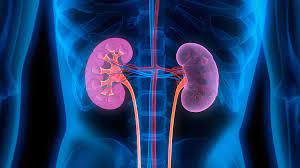
To understand how a routine delivery can lead to complete renal failure, it helps to look at how the kidneys interact with the intense physiological changes of childbirth. The kidneys function as the body’s primary filtration system. If blood flow to these organs is abruptly restricted, or if they are exposed to overwhelming toxicity, the filtering tissues can shut down.
According to a 2025 international consensus statement published in Nature Reviews Nephrology, pregnancy-associated acute kidney injury (P-AKI) is a critical driver of maternal morbidity worldwide. In the postpartum period, the condition is almost always triggered by one of four primary factors:
-
Maternal Sepsis: A systemic, life-threatening immune response to an infection that can rapidly cause multi-organ failure.
-
Severe Postpartum Hemorrhage: Excessive bleeding during or after delivery that starves the kidneys of the oxygenated blood flow they need to survive.
-
Hypertensive Disorders: Conditions such as pre-eclampsia or eclampsia that damage blood vessels and impair renal function.
-
Nephrotoxic Drug Exposure: The administration of counterfeit, contaminated, or improperly dosed medications that directly poison renal tissue.
Clinical data underscores that surgical deliveries carry a higher baseline risk for these complications than uncomplicated vaginal deliveries. A large-scale retrospective database study published in ScienceDirect, which analyzed more than 116,000 deliveries, revealed that the incidence of postpartum AKI was significantly higher among patients who underwent C-sections, registering at 24.5 cases per 10,000 deliveries compared to 7.9 cases per 10,000 for vaginal births.
The Critical Role of Early Detection and Infection Control
Public health authorities emphasize that while C-sections can be lifesaving, the surrounding surgical environment must meet strict safety protocols. The World Health Organization (WHO) reports that maternal infections acquired in healthcare facilities remain a leading cause of preventable maternal deaths globally.
WHO data from its Global Maternal Sepsis Study indicates that roughly 11 out of every 1,000 live births are complicated by an infection severe enough to result in a serious maternal outcome. The organization maintains that a vast majority of these post-caesarean infections are entirely preventable through clean birthing practices, timely prophylactic antibiotics, and vigilant postoperative monitoring.
Independent medical experts emphasize that when organ dysfunction begins, every hour matters.
“High-risk pregnant and postpartum patients must be identified early through proactive surveillance,” notes Dr. Anjali Acharya, a leading nephrologist and co-author of the 2025 P-AKI consensus report. “Improving patient outcomes requires immediate, multidisciplinary management involving obstetrics, nephrology, and intensive care teams working in unison the moment a patient’s urine output drops or blood pressure destabilizes.”
Public Health Implications and the Shadow of Drug Quality
The crisis in Kota highlights a broader, systemic issue that extends far beyond the walls of a single hospital ward. In many low- and middle-income countries, postpartum AKI serves as a stark indicator of health inequity. When a new mother develops chronic kidney disease due to a lack of immediate specialized care, the long-term socioeconomic impact on her family and the local healthcare infrastructure is devastating.
Furthermore, the allegations surrounding the use of substandard medications touch on a persistent challenge in public health administration: securing the pharmaceutical supply chain. If counterfeit or contaminated anesthetic agents, oxytocin, or intravenous fluids are introduced into public hospitals, even the most skilled surgical team cannot prevent an adverse outcome.
Clinical Uncertainties and the Need for Investigative Clarity
Despite the outcry, independent medical investigators caution against rushing to a definitive conclusion before the final clinical and forensic audits are completed. Determining the exact root cause of a cluster of AKI cases is notoriously difficult because postpartum complications rarely happen in a vacuum.
For instance, a patient might experience a minor, unrecorded drop in blood pressure during surgery, which then compounds the effects of an underlying, mild bacterial infection. If that patient is simultaneously given standard postoperative pain medications that are cleared through the kidneys, the combination of low blood flow, infection, and medication can trigger an acute renal shutdown.
Without transparent, laboratory-verified data identifying a specific toxin or bacterial strain, attributing the Kota crisis exclusively to contaminated drugs or entirely to surgical negligence remains provisional.
What Patients and Families Need to Know
For pregnant individuals and their families, the primary takeaway from the Kota case should not be a fear of necessary C-sections, which remain a vital, lifesaving medical intervention. Instead, the case underscores the importance of recognizing the early warning signs of postpartum complications.
Patients and caregivers should seek immediate medical attention if any of the following symptoms develop within days or weeks of giving birth:
-
A noticeable reduction in urine output or dark-colored urine
-
Sudden swelling in the legs, hands, or face
-
Persistent fever, chills, or foul-smelling surgical discharge
-
Unusual shortness of breath or sudden coughing
-
Severe dizziness, confusion, or fainting spells caused by low blood pressure
-
Unrelenting abdominal pain that worsens over time
For hospital networks and state policymakers, the events in Rajasthan serve as a clear reminder that maternal safety requires continuous vigilance. Restoring public trust in institutional healthcare demands rigorous quality control of hospital-acquired medications, strict enforcement of infection barriers, and the establishment of rapid-response pathways that connect maternity wards directly to nephrology specialists at the first sign of distress.
References
-
The Indian Express: “Give us a kidney or give us death: 5 new mothers from Kota write to President.” Published July 15, 2026.
Medical Disclaimer: This article is for informational purposes only and should not be considered medical advice. Always consult with qualified healthcare professionals before making any health-related decisions or changes to your treatment plan. The information presented here is based on current research and expert opinions, which may evolve as new evidence emerges.