 0
0
 0
0
May 28, 2026 | Jaipur, India
JAIPUR — Doctors across India issued an urgent public health warning on the eve of World Blood Cancer Day, observed annually on May 28. Leading oncologists are urging individuals and primary care physicians not to ignore a clustering triad of common symptoms: prolonged fever, unexplained weakness, and persistent anaemia. When these symptoms resist standard first-line treatments, they often serve as early red flags for hematologic malignancies (blood cancers). Medical experts emphasize that identifying these warning signs early, followed by immediate specialist referral, can mean the difference between a highly treatable condition and a fatal medical emergency.
According to global health data, awareness remains the single greatest hurdle to early intervention. Because the initial signs of blood cancer mirror routine viral infections or nutritional deficiencies, thousands of cases are diagnosed only after severe, life-threatening complications have already developed.
The Core Triad: Why Fever, Weakness, and Anaemia Cluster Together
To understand why these three symptoms frequently appear together, it helps to look inside the bone marrow—the soft, spongy tissue inside our bones that functions as the body’s primary blood cell factory.
Blood cancers arise when a genetic mutation disrupts the normal production and maturation of blood cells. As malignant, abnormal cells rapidly multiply within the bone marrow, they crowd out the space and resources needed to produce healthy blood cells. This biological crowding triggers a cascade of systemic failures:
-
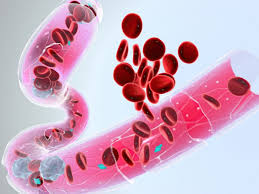
Persistent Anaemia: Anaemia occurs when the bone marrow can no longer produce an adequate supply of healthy red blood cells. Because red blood cells contain hemoglobin—the iron-rich protein responsible for carrying oxygen throughout the body—a drop in their numbers deprives vital tissues and organs of oxygen. This oxygen deprivation manifests externally as pale skin, shortness of breath, and chronic exhaustion.
-
Prolonged Fever: White blood cells are the cornerstones of the human immune system. In a patient with blood cancer, the bone marrow produces an abundance of abnormal, dysfunctional white blood cells. Lacking fully functional immune cells, the body becomes highly vulnerable to recurrent infections. The immune system’s constant, frantic effort to battle these infections, combined with systemic inflammation triggered by the cancer cells themselves, produces a persistent, unexplained fever.
-
Unexplained Weakness: The profound fatigue associated with blood cancer is distinct from ordinary tiredness. It is driven by a combination of severe tissue hypoxia (low oxygen) from anaemia and the massive amount of cellular energy the body expends trying to fight the underlying malignancy.
Symptoms to Watch: Beyond the Core Triad
While fever, weakness, and anaemia form the primary diagnostic triad, blood cancers alter blood chemistry in several other highly visible ways.
| Symptom | Underlying Biological Cause |
| Frequent or Severe Infections | Malformed white blood cells leave the immune system compromised and unable to fight off basic pathogens. |
| Easy Bruising or Bleeding | Malignant cells crowd out megakaryocytes, the cells responsible for creating platelets, which are essential for blood clotting. |
| Night Sweats | The body’s inflammatory response to cancer cells alters core temperature regulation during sleep. |
| Unexplained Weight Loss | Rapidly dividing cancer cells alter the body’s basal metabolic rate and suppress normal appetite. |
| Swollen Lymph Nodes | Dysfunctional lymphocytes (white blood cells) accumulate in the lymph glands, causing painless swelling in the neck, armpits, or groin. |
| Bone or Joint Pain | The rapid, dense accumulation of abnormal cells creates physical pressure inside the bone marrow cavities. |
The Critical Importance of Early Detection
“Modern therapies have improved recovery rates significantly, but early diagnosis plays a pivotal role in achieving successful treatment outcomes,” says Dr. Prakash Singh Shekhawat, a blood cancer and bone marrow transplant specialist at Bhagwan Mahaveer Cancer Hospital and Research Centre (BMCHRC) in Jaipur.
When hematologic malignancies like acute leukemia are left untreated, they escalate with alarming speed. Delayed presentations frequently result in critical complications, such as tumor lysis syndrome—a condition where dying cancer cells release massive amounts of toxins into the bloodstream, causing acute kidney failure. Low platelet counts can also lead to spontaneous internal bleeding, while severe neutropenia (a lack of healthy white blood cells) makes minor infections fatal.
Conversely, the outlook improves dramatically when treatment begins before significant systemic damage occurs. Pediatric oncology, in particular, offers a powerful testament to the efficacy of early intervention.
“Children with blood cancer can be completely cured if treatment begins on time,” notes Dr. Shivani Mathur, a paediatric haemato-oncologist at BMCHRC. “Many treated patients are now living completely healthy, active, and fulfilling lives.”
Data compiled by the University of Manchester and the Tata Medical Centre highlights this steady progress: the survival rate for children diagnosed with Acute Lymphoblastic Leukemia (ALL) at major Indian treatment centers has risen to approximately 80%, up from 65% in 2014. Furthermore, community-driven funding models have proven highly effective; BMCHRC’s “Donate a Life Project” has successfully saved 176 children with blood cancer through free treatment initiatives since 2014.
The Landscape of Modern Therapeutics
The transformation of blood cancer from a routinely terminal prognosis to a manageable, often curable condition is due to a rapid evolution in medical technology. Today, hematologists utilize a multi-pronged therapeutic approach:
-
Targeted Chemotherapy: Rather than relying solely on traditional chemotherapies that damage healthy cells alongside cancerous ones, modern protocols utilize targeted agents designed to attack specific molecular markers found only on cancer cell subtypes.
-
Immunotherapy: These advanced treatments harness the patient’s own immune system, training it to recognize, bind to, and destroy malignant blood cells that previously evaded natural immune defenses.
-
Bone Marrow Transplantation (BMT): For high-risk or recurrent cases, cellular therapy allows doctors to completely eradicate a patient’s diseased bone marrow using high-dose therapy, replacing it with healthy, blood-forming stem cells from a compatible donor.
-
Genetic Profiling: Personalized medicine allows oncologists to sequence the specific genetic mutations driving an individual’s cancer, enabling them to tailor therapies to the exact molecular profile of the disease.
Despite these medical milestones, socioeconomic barriers persist. The average cost of treating childhood blood cancer in India sits at approximately ₹5 lakh. For thousands of families, this baseline expense remains entirely out of reach without institutional financial support, government schemes, or philanthropic intervention.
Statistical Context: Assessing the National Burden
Data from the National Cancer Registry Programme, managed by the Indian Council of Medical Research (ICMR), indicated an estimated 15,33,055 new cancer cases nationwide in 2024. Within this population, blood cancers represent a substantial burden, particularly among young people.
Acute leukemias make up the single most common diagnostic group within pediatric oncology. Express Healthcare data reveals that out of approximately 15,000 children diagnosed with leukemia annually across India, roughly 9,000 survive. While this represents thousands of lives saved, it also means that nearly 6,000 children still succumb each year to a disease that is medically curable—largely due to diagnostic delays, treatment abandonment, and financial barriers.
Balanced Medical Perspective: Contextualizing Non-Specific Symptoms
While public health campaigns emphasize these critical red flags, medical authorities urge the public to maintain perspective. Taken individually, prolonged fever, weakness, and anaemia are highly non-specific symptoms. This means they are far more likely to be caused by common, benign medical conditions rather than an underlying blood malignancy.
Global epidemiological data notes that iron deficiency anemia remains the most common cause of fatigue and low red blood cell counts worldwide. Additionally, chronic infectious diseases endemic to regions like India—including tuberculosis, malaria, and viral hepatitis—frequently cause prolonged fevers and systemic weakness. Autoimmune disorders such as lupus or rheumatoid arthritis, as well as chronic kidney disease, can also present with identical clinical signs.
The defining differentiator is not the mere presence of these symptoms, but their persistence. While a standard viral infection or nutritional deficiency should respond clearly to lifestyle adjustments, iron supplements, or short courses of antibiotics, blood cancers will continue to progress.
Actionable Guidelines for Readers
To protect your health and the health of your family, clinical experts recommend incorporating the following baseline practices into your household medical decisions:
-
Track Symptom Duration: If you or a family member experiences a fever, unexplained weakness, or profound fatigue that lasts beyond 7 to 10 days, do not continue to treat it at home with over-the-counter medications. Seek a formal medical evaluation.
-
Request Baseline Blood Work: A simple, inexpensive Complete Blood Count (CBC) with a peripheral blood smear is the standard entry point for detecting blood abnormalities. It can immediately show a doctor if your red blood cells, white blood cells, or platelets are outside healthy ranges.
-
Monitor Secondary Indicators: Watch for supplementary signs such as unexplained bruising without physical trauma, unprovoked bleeding from the gums or nose, or hard, painless lumps in the lymph node regions.
-
Seek Specialized Opinions: If initial medical treatments fail to resolve your symptoms, or if your blood work reveals unexplained, persistent cytopenia (low blood cell counts), request a direct referral to a hematologist or oncologist.
While it is statistically probable that these symptoms point to a routine, easily treated ailment, ruling out a serious condition early remains your most effective tool for a healthy outcome.
Medical Disclaimer
Medical Disclaimer: This article is for informational purposes only and should not be considered medical advice. Always consult with qualified healthcare professionals before making any health-related decisions or changes to your treatment plan. The information presented here is based on current research and expert opinions, which may evolve as new evidence emerges.
References
- https://theprint.in/india/prolonged-fever-weakness-and-anaemia-may-indicate-blood-cancer-doctors/2943131/?amp