 0
0
 0
0
DHAKA, Bangladesh — Bangladesh is currently battling its most devastating measles epidemic in nearly two decades. Since mid-March 2026, the airborne virus has claimed the lives of 631 children, escalating a nationwide public health crisis that has overwhelmed pediatric wards and exposed deep gaps in routine immunization systems. According to data released by the Directorate General of Health Services (DGHS) on Tuesday, June 9, 2026, three more children succumbed to measles-like symptoms within a 24-hour window, while over 66,000 patients have required hospitalization across all 64 districts of the country.
A Rapidly Escalating Crisis
The scale of the current outbreak has taken a massive toll on the country’s healthcare infrastructure. Official DGHS registries document 9,833 laboratory-confirmed cases alongside a staggering 81,084 suspected cases nationwide.
The epidemic’s current case fatality rate stands at 1.00% for lab-confirmed cases and 0.70% for suspected cases, yielding an overall fatality rate of 0.83%. Of the total 631 recorded deaths, 92 have been strictly confirmed through laboratory diagnostic testing, while 539 are classified as suspected measles fatalities due to clear symptomatic presentation prior to death.
The pressure on healthcare facilities continues to rise. In the 24 hours leading into Tuesday morning, authorities logged 980 new suspected cases and 54 newly confirmed infections. Out of 66,170 total hospitalized children, 62,292 have been successfully treated and discharged. However, daily admissions consistently hover above 1,000 patients countrywide, leaving clinicians working under extreme strain.
Children Under Five Bear the Brunt
The epidemiological data highlights an alarming trend: the outbreak is overwhelmingly targeting infants and toddlers. Sardar Shakhawat Hossain Bokul, the Minister of Health and Family Welfare, confirmed that 82% of all infected measles and rubella patients are children under five years old.
Rana Flowers, the UNICEF representative in Bangladesh, reinforced these concerns, stating that four out of every five individuals contracting the disease during this cycle belong to this vulnerable under-five demographic.
At Dhaka’s Shish Hospital—the nation’s largest specialized pediatric facility—the crisis is highly visible. All 120 beds specifically allocated for measles isolation are completely filled, forcing hospital staff to manage overflowing waiting rooms crowded with anxious parents.
Anatomy of a Highly Contagious Pathogen
Measles is an airborne disease caused by the Measles morbillivirus. It is recognized by global health experts as one of the most infectious pathogens known to medicine. The virus replicates in the nose and throat of an infected person and spreads through respiratory droplets generated by coughing or sneezing. Alarmingly, the virus remains active and capable of causing infection in the air or on environmental surfaces for up to two hours.
Measles Transmission Dynamics:
[1 Infected Person] ───> Spreads via Air/Droplets ───> [Up to 18 Secondary Infections]
According to the World Health Organization (WHO), symptoms typically surface 10 to 14 days after exposure.
Clinical Progression of Measles
-
Initial Phase: Characterized by a high fever, a persistent cough, coryza (a severe runny nose), and conjunctivitis (red, watery eyes).
-
Koplik Spots: Two to three days after initial symptoms, small white spots may appear on the inside of the cheeks.
-
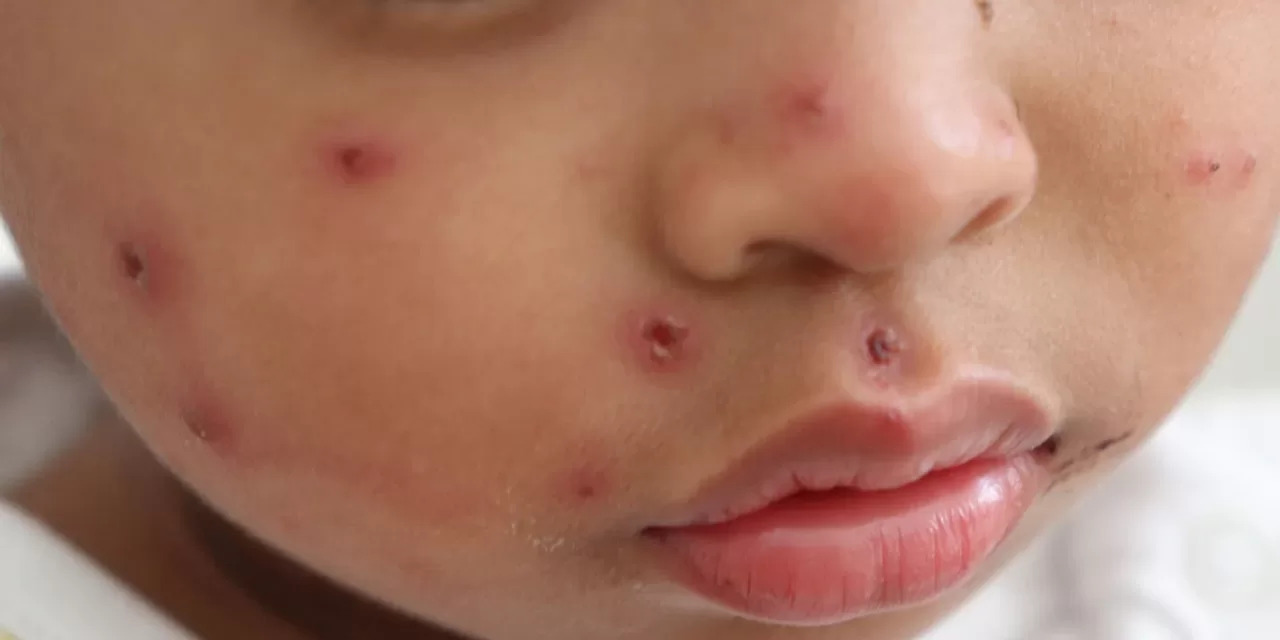
The Rash: A maculopapular (flat, red, blotchy) rash erupts on the face and upper neck approximately 7 to 18 days post-exposure. Over a three-day period, the rash spreads downward to the trunk, hands, and feet, often accompanied by a sudden fever spike exceeding 104°F (40°C).
Serious Health Complications
The disease is dangerous due to its severe secondary complications, particularly in vulnerable populations:
-
Otitis Media: Severe ear infections occur in approximately 1 in 10 infected children, which can lead to permanent hearing loss.
-
Diarrhea: Experienced by fewer than 10% of patients, leading to rapid dehydration.
-
Pneumonia: Affecting 1 in 20 children, this severe lung infection is the primary cause of death in fatal measles cases.
-
Encephalitis: Occurring in roughly 1 in 1,000 cases, this dangerous brain swelling can cause seizures, permanent deafness, or long-term intellectual disabilities.
Vaccination Gaps and the Path to the Outbreak
The current emergency stands in sharp contrast to Bangladesh’s historical successes in immunization. Between 2014 and 2015, coordinated mass vaccination drives successfully delivered measles-rubella vaccines to more than 50 million children. By the mid-2010s, first-dose coverage reached 92%, and second-dose adherence exceeded 80%, earning praise from international health bodies.
However, over the last few years, routine immunization structures experienced significant disruptions. The onset of the COVID-19 pandemic in 2020 forced the suspension or delay of routine childhood vaccine schedules. This baseline vulnerability was later compounded by administrative disruptions, vaccine supply logistics issues, and periods of political instability.
A vaccination coverage evaluation conducted in 2023 revealed that national coverage had slipped to 86% for the first dose and 80% for the second dose. To halt measles transmission entirely, public health consensus mandates a strict 95% coverage herd immunity threshold.
“Measles is incredibly unforgiving,” explained Dr. Michael Levine, a pediatric infectious disease specialist at Johns Hopkins Children’s Center, who is not involved in the response in Bangladesh. “Because it is so contagious, even a minor dip in population immunity creates an accumulation of susceptible individuals. When the virus is introduced into these pockets, outbreaks escalate rapidly—especially among malnourished children who lack proper vitamin A stores, predisposing them to respiratory failure and death.”
A particularly worrying programmatic gap is that one-third of the currently affected children are under nine months of age. This means they are falling ill before reaching the standard eligible age for their first scheduled dose, pointing to a high level of viral circulation within their immediate communities.
The Emergency Response Strategy
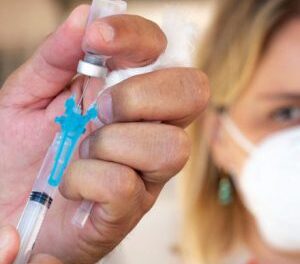
In response to the crisis, the Ministry of Health identified 30 critical epidemiologic “hotspots” spanning 20 districts. On April 5, 2026, the government launched an emergency mass vaccination campaign targeting children aged 6 months to 59 months.
| Region / District | Reported Administrative Vaccination Coverage |
| National Target Goal | 102.00% (18.3+ Million Children Immunized) |
| Actual Administrative Coverage | 60.57% |
| Jourhat District | 47.00% |
| Chattogram District | 41.00% |
| Noali District | 39.99% |
| Ganj District | 38.00% |
| Manbar District | 37.13% |
While the mass initiative successfully immunized over 18.3 million children, a deep discrepancy remains: actual administrative coverage stands at 60.57% due to demographic shifts and shifting population numbers.
Because coverage rates remain low in critical areas like Manbar and Ganj, the government extended its emergency campaign through late May. Prime Minister Tarique Rahman has directed senior cabinet ministers to organize cross-sector efforts to patch these immunity gaps across the country’s population of 170 million.
Data Limitations and Uncertainties
Public health officials emphasize that the official figures likely underreport the true scope of the crisis. Because measles kills rapidly when complicated by severe pneumonia, many children in remote rural villages succumb to the illness before diagnostic blood or fluid samples can be drawn. Consequently, the 539 suspected deaths lack formal laboratory validation, though they presented classic clinical symptoms. Independent social media monitoring and local field assessments suggest that actual infection and mortality rates could be more than double the officially recorded numbers.
The Broader Global Threat
The situation in Bangladesh mirrors a worrying global trend. Despite the widespread availability of a highly effective, low-cost vaccine, the WHO estimates that approximately 95,000 children died from measles worldwide in 2024, mostly children under five. Global first-dose vaccine coverage sat at 84% in 2024, down from 86% in 2019, leaving an estimated 30 million infants under-protected.
The WHO continues to warn that global measles elimination goals are in jeopardy. The outbreak serves as a stark reminder to parents, caregivers, and international health agencies alike: without sustained investment in routine childhood immunization, hard-won public health achievements can rapidly disappear.
Medical Disclaimer
Medical Disclaimer: This article is for informational purposes only and should not be considered medical advice. Always consult with qualified healthcare professionals before making any health-related decisions or changes to your treatment plan. The information presented here is based on current research and expert opinions, which may evolve as new evidence emerges.
References
Study and Data Sources
- https://www.dhakatribune.com/bangladesh/health/412143/measles-outbreak-death-toll-631-as-three-children