 0
0
 0
0
DHAKA, Bangladesh — A devastating measles outbreak that began in mid-March 2026 has claimed 565 lives in Bangladesh, with five more children dying in the past 24 hours alone, according to the country’s Directorate General of Health Services (DGHS). The rapidly escalating outbreak has infected more than 74,000 children across the country, exposing critical gaps in the nation’s routine vaccination framework and raising urgent public health concerns about preventable childhood mortality in South Asia.
Public health facilities are currently facing severe strain as hospital wards overflow with young patients suffering from the highly contagious disease. This crisis marks a tragic turning point for a country that was previously on the brink of eliminating measles entirely.
Alarmingly High Case Numbers and Death Toll
Data updated by health authorities as of late May 2026 reveals a deeply concerning epidemiological landscape. Bangladesh has officially recorded 66,023 suspected measles cases alongside 8,772 laboratory-confirmed cases. The cumulative case fatality rate (CFR) stands at 0.81% across all cases. Within these figures, 88 deaths have been explicitly confirmed as measles-related via blood serology, while 467 deaths have occurred among patients exhibiting classic clinical symptoms of suspected measles.
The outbreak has forced the hospitalization of 52,530 patients, leaving pediatric intensive care units overwhelmed. While approximately 48,800 individuals have recovered so far, the virus continues to target the most vulnerable demographics.
An epidemiological analysis highlights that young children are bearing the brunt of the crisis:
-
Age Distribution: Approximately 82% of all infected individuals are children under five years of age.
-
Infant Vulnerability: Nearly one-third of the cases are infants under nine months old—a population too young to receive their first scheduled dose under standard immunization timelines.
-
Geographic Burden: Densely populated urban zones are the primary hotspots. The Dhaka Division has been hit hardest, reporting 31,163 suspected cases and 184 deaths, followed closely by the Chittagong Division with 10,658 suspected cases and 44 deaths.
Why This Outbreak Became So Deadly
Measles is caused by the Measles morbillivirus, one of the most transmissible human pathogens known to medicine. It features a basic reproduction number ($R_0$) estimated between 12 and 18, meaning a single infected individual can pass the virus to up to 18 unvaccinated people in a susceptible crowd. The virus is entirely airborne; it spreads through tiny respiratory droplets when an infected person coughs, talks, or sneezes. Alarmingly, the viral particles can remain suspended and infectious in the air of an enclosed space for up to two hours after the infected individual has left.
The current crisis did not emerge in a vacuum. Instead, it is the product of several converging systemic failures that allowed a massive “immunity gap”—a pool of unvaccinated, unprotected individuals—to form.
Accumulated Immunity Gaps (Post-COVID) + Severe Vaccine Supply Constraints
                              │
                              ▼
           Mass Population Shifts (Festive Season)
                              │
                              ▼
            Unchecked Airborne Spread (R₀ = 12-18)
                              │
                              ▼
          Sustained Nationwide Outbreak (58+ Districts)
First, routine childhood immunization rates have cratered. Measles vaccine coverage in Bangladesh fell to an alarming 57.1% in 2025, marking its lowest point in eight years. This is a staggering drop from the mid-2010s, when first-dose coverage consistently exceeded 92% and second-dose coverage hovered above 80%.
This decline was initially catalyzed by the COVID-19 pandemic, during which resources, personnel, and cold-chain supply lines were diverted away from routine child wellness programs to manage the pandemic response. Entire cohorts of children born between 2020 and 2022 missed their supplementary measles-rubella (MR) campaigns.
Compounding this, recent administrative challenges within the interim government led to documented vaccine stockouts and supply constraints. Funding for essential immunization outreach dried up precisely when aggressive catch-up campaigns were required. When mass travel occurred during recent national festive seasons, the virus moved rapidly along transit corridors, sparking active transmission chains in 58 out of the country’s 64 districts.
Dangerous Complications Beyond the Rash
A dangerous misconception among the public is that measles is merely a mild, transient childhood illness characterized by a temporary fever and skin rash. In reality, the virus inflicts severe damage on the immune system, temporarily wiping out the body’s “immune memory” and leaving children profoundly vulnerable to secondary infections.
According to data compiled by the U.S. Centers for Disease Control and Prevention (CDC), the clinical complications of measles are frequent and severe:
| Complication | Estimated Risk Rate | Clinical Impact and Severity |
| Pneumonia | 1 in 20 children | The most common structural cause of measles-related death in young children. |
| Ear Infections | 1 in 10 children | Can cause permanent damage to the middle ear structure, leading to hearing loss. |
| Encephalitis | 1 in 1,000 children | Acute swelling of the brain that can cause convulsions, permanent deafness, or intellectual disabilities. |
| Hospitalization | 1 in 5 unvaccinated individuals | Required due to severe dehydration, respiratory distress, or severe secondary infections. |
| Death | 1 to 3 in 1,000 children | Primarily stems from severe respiratory failure or acute neurological complications. |
Children suffering from underlying malnutrition or vitamin A deficiency face a significantly higher risk of severe outcomes. Furthermore, health authorities warn of a rare but invariably fatal neurological condition known as subacute sclerosing panencephalitis (SSPE). This degenerative brain disease develops 7 to 10 years after the initial viral infection, with the highest risk occurring in children infected before the age of two.
Nationwide Emergency Response Underway
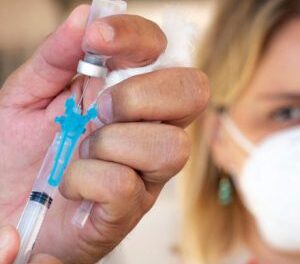
To combat the escalating crisis, Bangladesh’s Ministry of Health and Family Welfare launched an aggressive emergency measles-rubella (MR) vaccination campaign on April 5, 2026. Backed by international health organizations including the World Health Organization (WHO), UNICEF, and Gavi, the Vaccine Alliance, the surge response initially deployed 11.9 million vaccine doses to target 30 designated high-burden “hotspots” across 20 districts.
The mobilization achieved unprecedented speed. By mid-May, frontline healthcare workers had successfully vaccinated more than 18 million children aged between 6 and 59 months, effectively fulfilling the initial target population ahead of schedule. Special attention was directed toward vulnerable displaced populations. In the crowded Rohingya refugee camps and host communities of Cox’s Bazar, mobile immunization teams successfully vaccinated over 166,000 children, achieving a 93.7% coverage rate in those sectors.
“The emergency campaign is protecting children right now, but sustaining a strong routine immunization infrastructure, and ensuring every single child is reached, will be essential to prevent future outbreaks and save lives,” noted a WHO field representative embedded with the medical response teams in Dhaka.
Expert Commentary on Prevention and Treatment
Independent medical experts emphasize that while there is no specific cure or direct antiviral therapy for measles, the tragedy of these 565 deaths lies in the fact that the disease is entirely vaccine-preventable.
Dr. Ana Flowers, a UNICEF Representative in Bangladesh who has monitored the crisis since its inception, issued a stark warning:
“Vaccines are essential for child survival. This ongoing measles outbreak is placing thousands of children, particularly the youngest and most at risk, in grave danger. We cannot afford to let routine healthcare systems lapse.”
Clinicians note that standard medical management relies entirely on supportive care. This includes aggressive oral hydration, fever management using antipyretics, and therapeutic nutritional support. Crucially, the WHO recommends that every child diagnosed with measles in an outbreak setting receive two statutory doses of vitamin A supplements spaced 24 hours apart. This low-cost intervention has been clinically proven to restore ocular health and reduce measles mortality rates by up to 50% by mitigating severe respiratory and gastrointestinal complications.
The primary defense remains preventative. The standard Measles, Mumps, and Rubella (MMR) or dual MR vaccine is a highly refined, safe, and effective intervention. A single dose provides roughly 93% clinical protection against the virus, while the recommended second dose increases that efficacy to 97%.
However, public health experts note that because the virus is so deeply contagious, a country must maintain a uniform vaccination coverage rate of at least 95% across every community to establish herd immunity—the point at which a population is sufficiently protected to halt sustained transmission chains and protect vulnerable infants who cannot yet be vaccinated.
Regional and Global Health Implications
The scale of the crisis in Bangladesh carries significant international weight. The WHO has classified the national risk level as “high,” warning that the high volume of susceptible individuals and heavy domestic migration could prolong the outbreak, further strain domestic medical infrastructure, and lead to cross-border transmission within the South-East Asia Region.
The situation serves as a stark reminder for international health bodies. Although countries like the United States officially declared measles eliminated from their borders in 2000, the disease regularly returns via unvaccinated travelers who contract the virus overseas. Public health authorities emphasize that an outbreak anywhere in the world represents a continuous threat everywhere else.
Practical Guidance for Families
In light of the ongoing outbreak, public health authorities have issued an urgent directive to parents and caregivers to protect their households:
-
Audit Family Immunization Records: Ensure that children receive their first standard vaccine dose between 12 and 15 months of age, and their critical second booster dose between 4 and 6 years of age. During active outbreaks, temporary guidance may lower the emergency eligibility age to 6 months.
-
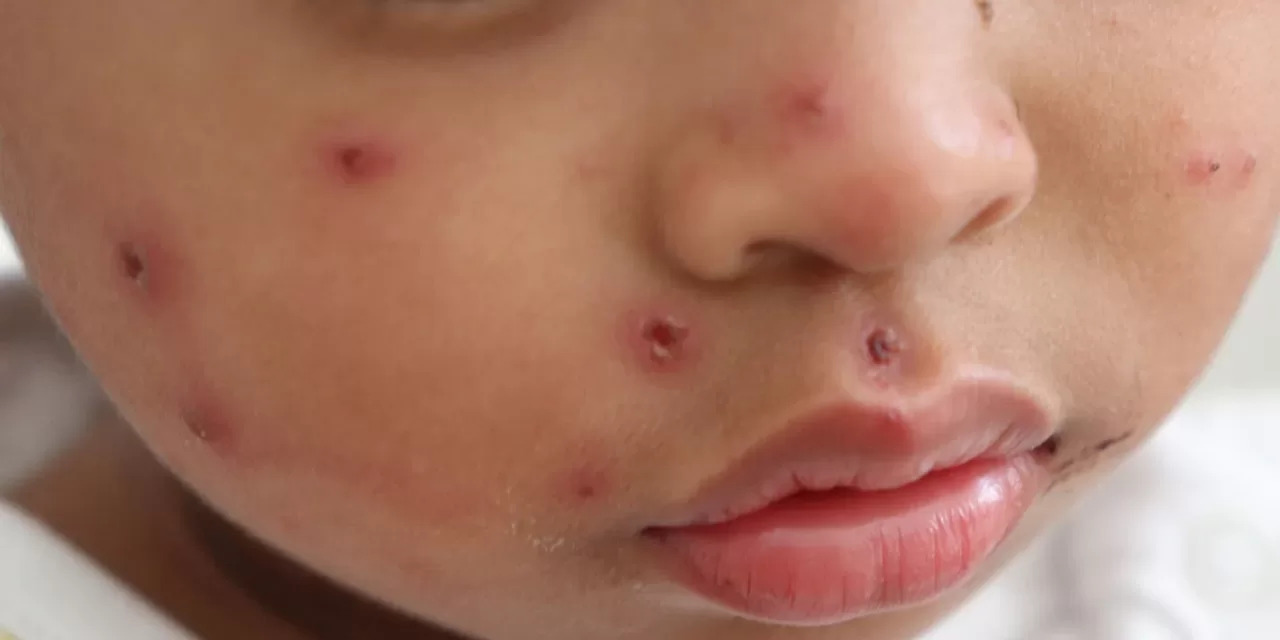
Identify Key Early Symptoms: Parents should watch for a high fever (which often peaks between 103°F and 105°F), a persistent cough, a runny nose (coryza), and red, watery eyes (conjunctivitis). These classic signs are typically followed 3 to 5 days later by a maculopapular rash that spreads from the face downward to the neck and torso.
-
Bypass Local Pharmacies for Treatment: Public health officials strongly advise against trying to self-treat suspected cases using over-the-counter medications from local pharmacies. Children exhibiting symptoms require formal clinical triage at designated hospitals to monitor for pneumonia or severe dehydration.
-
Isolate Susceptible Individuals: Protect high-risk household members, including infants under nine months old, unvaccinated children, pregnant women, and individuals with compromised immune systems, by keeping them entirely separated from anyone showing signs of respiratory illness.
Limitations and Challenges Ahead
While the emergency campaign successfully delivered millions of doses in record time, significant structural obstacles remain. The interim government has acknowledged that systemic mismanagement, fragmented local cold-chain logistics, and sudden budget shortfalls inherited from prior administrations left marginalized communities highly exposed.
Humanitarian agencies, including the International Society for Human Rights (ISHR), have raised critical concerns regarding health equity. Pockets of unvaccinated children persist in hard-to-reach rural geographies and densely packed, informal urban settlements.
The fact that Bangladesh’s case fatality rate remains stuck at 0.81%—exponentially higher than in nations with resilient public health systems where measles deaths are virtually non-existent—proves that until routine, structural immunization coverage is permanently restored to the 95% herd immunity threshold, the virus will continue to find and claim the lives of unprotected children.
Medical Disclaimer
Medical Disclaimer: This article is for informational purposes only and should not be considered medical advice. Always consult with qualified healthcare professionals before making any health-related decisions or changes to your treatment plan. The information presented here is based on current research and expert opinions, which may evolve as new evidence emerges.
References
-
The Daily Star / Dhaka Tribune. Sustained Airborne Transmission and Healthcare Infrastructure Strain in Densely Populated Settlements. Compiled May 7, 2026 / May 28, 2026.
-
Ten News / TBS News. Daily Mortality Statistics and Post-24-Hour Case Fatality Adjustments. Published May 28, 2026.