 0
0
 0
0
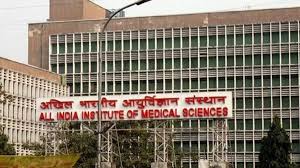
NEW DELHI – The All India Institute of Medical Sciences (AIIMS) New Delhi, long considered the crown jewel of India’s public healthcare system, is facing an unprecedented internal crisis. Recent parliamentary scrutiny has revealed a staggering staffing deficit, with 452 faculty positions and more than 700 resident doctor posts currently vacant. As the nation’s premier referral center and medical research hub, these gaps are sending shockwaves through the healthcare sector, prompting a high-level parliamentary committee to demand immediate systemic reforms to safeguard patient safety and medical education.
A Growing Void in Specialized Care
AIIMS New Delhi is designed to operate with a sanctioned strength of ,1306 faculty members. However, recent government data indicates a vacancy rate of approximately 35%, leaving 452 positions unfilled. The shortages are not confined to administrative roles but strike at the heart of clinical excellence. Critical departments—including Internal Medicine, Surgery, Anesthesia, Pediatrics, Neurology, and Oncology—are currently operating well below their intended capacity.
The crisis extends beyond senior faculty. The “backbone” of the hospital’s daily operations—its resident doctors—is also thinning. Of the 1,926 sanctioned senior resident posts, 545 remain empty. Simultaneously, 433 of the 1,428 junior resident positions are vacant. Collectively, this creates a deficit of over 1,400 doctor-level positions at a time when patient footfall is reaching record highs.
While AIIMS Delhi is the most prominent casualty, the issue is systemic. Data from early 2026 suggests a nearly 40% faculty vacancy rate across the entire AIIMS network nationwide. While newer institutes like AIIMS Jodhpur (186 vacancies) and AIIMS Rishikesh (147 vacancies) are struggling to find their footing, the situation in Delhi is particularly dire because it serves as the final hope for millions of patients with complex, life-threatening conditions.
Parliamentary Intervention: A Call for Radical Shifts
A Parliamentary Standing Committee, tasked with reviewing the institute’s operations, has issued a stern warning to the Union Health Ministry: prioritize the human element of healthcare before pursuing further physical expansion. The committee’s report criticized “flawed recruitment policies” that have allowed these gaps to persist for years.
To bridge the divide, the committee has proposed several urgent measures:
-
Revised Age Limits: Raising the upper age limit for professor recruitment to 58 years to tap into a larger pool of experienced clinicians.
-
Lateral Entry: Allowing for the deputation of faculty from other government medical colleges.
-
Retired Expertise: Facilitating the contractual hire of retired faculty members up to the age of 70.
-
Streamlined Hiring: Implementing “rolling” advertisements valid for a full year and conducting walk-in interviews to bypass bureaucratic bottlenecks.
The panel emphasized that without these changes, the “One AIIMS per state” vision risks becoming a hollow shell, as the burden of tertiary care continues to flow back to an already overwhelmed Delhi campus.
The Human Cost: Burnout and Bottlenecks
Experts not involved in the parliamentary committee express deep concern over the “brain drain” and the physical toll on existing staff.
“The faculty crunch at AIIMS Delhi is alarming for public health,” says Dr. R.V. Asokan, former President of the Indian Medical Association (IMA). “This isn’t just about numbers on a spreadsheet; it compromises specialized training for the next generation of doctors and delays high-volume patient care. While contractual hires are a necessary stop-gap, we need long-term incentives—better pay and housing—to retain talent.”
Dr. Sanjay Nagral, a noted surgeon and editor of the Indian Journal of Medical Ethics, points to the economic reality. “Persistent shortages reflect uncompetitive salaries compared to the private sector. Parliamentary intervention is a great first step, but implementation—actually getting doctors into these roles—is where we usually fail.”
For the average patient, these vacancies translate into tangible hardships. In departments like Oncology and Neurology, wait times for surgeries and specialized consultations can stretch into months. Residents currently on duty report workloads exceeding 200% of their intended capacity, a factor that significantly increases the risk of medical errors and professional burnout.
Why the Gaps Persist
The question remains: why does the nation’s most prestigious medical address have so many empty offices? Several factors contribute to the “AIIMS Paradox”:
-
Stringent Selection: As an “Institute of National Importance,” AIIMS maintains extremely high hiring standards, often leading to many applicants being disqualified.
-
The Salary Gap: Despite Level 12-14 pay scales, the private sector often offers two to three times the compensation for top-tier specialists.
-
Infrastructure Hurdles: A chronic shortage of campus housing in expensive New Delhi makes the positions less attractive to out-of-state experts.
-
Administrative Delays: The recruitment cycle for a permanent faculty member can often take over a year from advertisement to induction.
Balancing the Perspectives
While the numbers are stark, some health administrators argue that the data can be misleading. “Recruitment is a continuous process,” noted a ministry official in a recent brief. They point to recent advertisements for hundreds of posts as evidence of momentum. Furthermore, the inclusion of Overseas Citizens of India (OCI) in eligibility criteria is expected to fill up to 20% of specialized gaps by 2027.
However, critics argue that relying on contractual or foreign-based hires may lead to a “revolving door” culture, where doctors leave as soon as a better private opportunity arises. The lack of permanent, pensionable positions for young specialists remains a primary deterrent.
Looking Ahead: A Roadmap for Recovery
The path forward requires more than just filling seats; it requires a “Faculty Retention Roadmap.” This includes providing dedicated research grants, ensuring spousal employment assistance, and modernizing campus infrastructure.
For the public, this crisis serves as a reminder of the fragility of the healthcare safety net. As India continues to navigate its role as a global healthcare leader, the stability of its flagship institution will be the ultimate litmus test for the country’s public health priorities.
Medical Disclaimer: This article is for informational purposes only and should not be considered medical advice. Always consult with qualified healthcare professionals before making any health-related decisions or changes to your treatment plan. The information presented here is based on current research and expert opinions, which may evolve as new evidence emerges.
References
-
Medical Dialogues. “452 faculty, over 700 Sr/Jr posts vacant at AIIMS New Delhi; Parliamentary Committee gives recommendations.” April 2026. [DOI/Link equivalent: aiimsexams/169622]