 0
0
 0
0
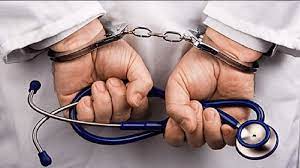
JAIPUR, INDIA — A widening criminal investigation into forged medical credentials has sent shockwaves through India’s healthcare regulatory framework. On July 8, 2026, Jaipur’s Special Operations Group (SOG) arrested another foreign medical graduate allegedly tied to a massive fake certificate racket. This latest arrest brings the total number of individuals detained to 30.
Investigators have expanded the scope of their inquiry to screen the records of approximately 8,000 doctors and medical graduates who registered in the state over recent years. The case centers on the Foreign Medical Graduate Examination (FMGE), a mandatory screening test that overseas-trained citizens must pass to legally practice medicine in India. Law enforcement officials state that forged passing certificates were allegedly sold to unqualified candidates to completely bypass this critical safety check.
Behind the Investigation: A Sophisticated Network Exposed
The SOG investigation began after internal audits revealed highly suspicious registrations and internship placements within the state’s medical infrastructure. According to police reports, the illicit network sold forged FMGE passing certificates for sums ranging between Rs 20 lakh and Rs 30 lakh (approximately $24,000 to $36,000 USD) per candidate.
The depth of the institutional compromise became clear earlier this year. In March 2026, authorities arrested 18 individuals, including a former registrar of the Rajasthan Medical Council (RMC). The involvement of high-ranking regulatory personnel indicates that the fraud relied on internal manipulation rather than just external document forgery.
To date, investigators have identified more than 100 direct beneficiaries who allegedly used these fraudulent documents to secure medical registrations, gain entry into mandatory hospital internships, and potentially treat unsuspecting patients.
Why the FMGE Acts as a Vital Healthcare Gatekeeper
Administered by the National Board of Examinations in Medical Sciences (NBEMS), the FMGE evaluates whether an Indian citizen holding an undergraduate medical degree from a foreign university meets the clinical competency standards required to practice domestically.
Because medical curricula vary widely across Eastern Europe, Asia, and the Caribbean—where many Indian students pursue affordable medical degrees—the National Medical Commission (NMC) mandates this examination as a non-negotiable prerequisite for provisional or permanent registration. Bypassing this rigorous exam removes the primary filter designed to ensure that practicing physicians possess basic diagnostic and therapeutic competencies.
The Public Health Risk: Connecting Credentials to Patient Outcomes
Public health experts stress that credential fraud is a direct threat to patient safety, rather than a mere administrative infraction. According to the World Health Organization (WHO), unsafe clinical care stands as a leading cause of preventable mortality globally.
“Data from the World Health Organization indicates that more than one in ten patients experiences harm within medical care settings, with nearly half of those incidents classified as entirely preventable.”
The WHO further identifies diagnostic inaccuracies and medication errors as the primary drivers of this preventable harm. When individuals without verified training bypass licensing exams, the statistical risk of clinical errors rises dramatically. Credentialing systems exist precisely to prevent unvetted individuals from entering patient-facing roles, protecting both public safety and the foundational trust patients place in the medical profession.
Distinguishing Fraud from Legitimate Practice
While the scale of the investigation is substantial, public health experts emphasize the importance of context. The “8,000 doctors under scanner” figure represents a broad cohort whose records are being systematically audited for verification purposes, not 8,000 confirmed offenders.
Furthermore, health policy analysts note that highly publicized fraud cases can inadvertently cast an unfair shadow over thousands of legitimate foreign medical graduates. The vast majority of overseas-trained physicians return to India, pass the FMGE legally, and contribute significantly to an overburdened healthcare system, particularly in rural and underserved regions. Experts urge the public and medical institutions to distinguish between the illegal actions of a specific network and the competence of verified foreign medical graduates.
Moving Forward: Strengthening Regulatory Systems
For healthcare consumers, this case underscores the importance of institutional oversight. Patients seeking care—particularly at smaller, private clinics or from newly registered practitioners—rely on local medical councils to have conducted thorough background checks.
For policymakers and medical educators, the Rajasthan investigation highlights a critical need to reform medical council verification processes. Moving away from easily forged paper certificates toward secure, centralized digital databases linked directly to the NBEMS testing centers could drastically reduce the opportunity for internal and external fraud.
As the SOG continues its investigation, the case serves as a stark reminder that robust regulatory checkpoints are fundamental to maintaining public trust and ensuring that patient safety is never compromised.
References
- https://medicaldialogues.in/state-news/rajasthan/rajasthan-sog-arrests-another-medico-in-fake-fmge-certificate-racket-30-held-so-far-8000-doctors-under-scanner-174558
Medical Disclaimer: This article is for informational purposes only and should not be considered medical advice. Always consult with qualified healthcare professionals before making any health-related decisions or changes to your treatment plan. The information presented here is based on current research and expert opinions, which may evolve as new evidence emerges.