0
0
 0
0
MANILA, PHILIPPINES — In a definitive move to address the converging crises of environmental degradation and human mobility, the World Health Organization (WHO) officially launched a comprehensive regional research agenda for health, migration, and displacement in the Western Pacific Region on July 13, 2026. The new initiative establishes an unprecedented collaborative framework, uniting experts from United Nations agencies, academic institutions, civil society, and migrant youth networks. The primary objective is to equip member states with the data necessary to construct inclusive, climate-responsive healthcare infrastructure capable of protecting highly vulnerable displaced populations.
The Western Pacific Region, which spans from the dense urban centers of East Asia to the remote island nations of Oceania, faces some of the most acute environmental pressures on Earth. Rising sea levels, intensifying typhoons, and profound heat stress are no longer distant ecological threats; they are actively reshaping human geography. By driving mass migration, these climate realities disrupt the continuity of healthcare and exacerbate health inequities across borders. With this new agenda, the WHO issued a clear mandate to regional governments: climate adaptation, human mobility, and public health can no longer be managed as isolated policy problems.
Unifying Three Crises into One Policy Framework
The formulation of this research agenda was the product of a rigorous, multistage consultative process involving 108 experts and stakeholders across the Asian and Pacific subregions. Rather than treating migration purely as a geopolitical or economic issue, the framework establishes it as a critical social determinant of health.
The core priorities of the agenda target structural vulnerabilities within current healthcare systems, focusing on:
-
Inclusive Universal Health Coverage (UHC): Ensuring legal and financial frameworks allow non-citizens and displaced persons to access care without facing catastrophic out-of-pocket costs.
-
Climate-Resilient Primary Care: Strengthening frontline clinics so they remain operational during extreme weather events and are equipped to handle sudden demographic shifts.
-
Emergency Preparedness and Response: Creating agile tracking and triage systems tailored to the specific needs of mobile populations during acute environmental disasters.
-
Structural Drivers of Health: Investigating the underlying socioeconomic, environmental, and political factors that dictate health outcomes before, during, and after displacement.
Crucially, the WHO framework does not apply a rigid, one-size-fits-all methodology. Recognizing the vast geographical and economic disparities within the region, the initiative delivers distinct, tailored roadmaps for the Asian and Pacific subregions. This allows individual nations to modify the framework according to local realities while simultaneously reinforcing governance, data interoperability, sustainable financing, and cross-border research partnerships.
The Dangerous Void in Migration-Sensitive Data
Public health experts have long warned that medical systems are effectively operating in the dark when treating mobile populations. According to an independent analysis by Health Policy Watch, the vast majority of existing data regarding migration and health originates from high-income western nations, leaving a glaring evidentiary vacuum in the Global South and the Western Pacific. Furthermore, domestic health databases routinely fail to disaggregate health metrics by migration status. Consequently, critical shortfalls in maternal health, routine immunizations, and non-communicable disease (NCD) management among displaced groups go completely undetected.
“Migration, displacement, and climate change are increasingly shaping health outcomes across the Western Pacific Region,” stated Dr. Santino Severoni, Head of the WHO Health and Migration program, emphasizing that existing evidence gaps significantly hamper equitable public health interventions.
Dr. Sandro Demaio, Director and Head of Office of the WHO Asia-Pacific Centre for Environment and Health, echoed these concerns, noting that the newly established agenda provides “an important foundation for generating the evidence needed to inform equitable and effective responses.”
Independent international experts emphasize the gravity of the data deficit. Dr. Catherine Chen, a public health epidemiologist specializing in climate mobility at the Global Health Institute (who was not involved in the WHO initiative), validated the urgency of the framework.
“When climate disasters strike, displaced individuals frequently lose access to electronic medical records, routine prescriptions, and preventative care,” Dr. Chen explained. “Without migration-sensitive data systems, a hospital in a receiving city or country cannot accurately predict the surge in demand for critical services like dialysis, insulin distribution, or prenatal care. We cannot manage what we do not measure.”
Translating Global Policy into Daily Health Decisions
For health-conscious consumers and healthcare professionals alike, the WHO agenda marks a profound shift in how localized public health operates. For the general public, experts stress a critical point of interpretation: migration must not be viewed as an inherent vector for disease transmission. Instead, the public health risk stems from the systemic barriers—such as language obstacles, legal precarity, fear of deportation, and financial exclusion—that prevent migrants from seeking timely medical care. When a segment of the population is isolated from primary care, late-stage disease presentations rise, placing severe strain on emergency medical services and compromising the collective biosecurity of the entire community during infectious outbreaks.
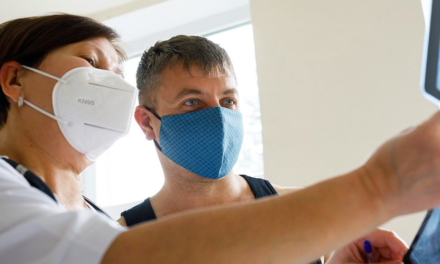
For frontline healthcare practitioners, this initiative signals a shift toward more inclusive service design and targeted data collection. In practice, this means emergency management plans will explicitly account for non-resident populations. For instance, when severe typhoons displace coastal communities, regional health systems utilizing this framework will possess the infrastructure to trace vulnerable individuals, ensuring uninterrupted access to maternal care, mental health support, and chronic disease management.
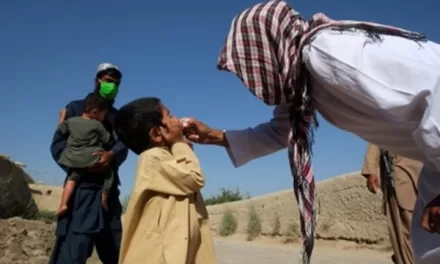
Additionally, the agenda makes a landmark call to integrate indigenous and traditional ecological knowledge into modern research frameworks. In the Pacific islands, where community cohesion relies heavily on ancestral customs, incorporating local insights into public health strategies directly improves institutional trust, increases intervention relevance, and enhances the uptake of critical medical measures like vaccination campaigns.
Financial and Institutional Hurdles Ahead
Despite the ambitious scope of the roadmap, international health journalists and policy analysts note several structural limitations. The most prominent challenge is that the agenda represents a strategic framework rather than a completed body of scientific evidence. Severe knowledge gaps remain regarding the long-term, multi-generational impacts of climate displacement on psychological well-being and the specific implementation mechanics required to merge climate modeling with health system logistics.
Furthermore, execution relies entirely on voluntary compliance and domestic funding. While member states may unanimously agree on the research priorities in principle, many developing economies in the Western Pacific lack the fiscal space and technological infrastructure to maintain sophisticated data tracking networks. The ultimate success of the WHO agenda hinges on whether wealthier nations and international financial institutions provide the sustainable funding and technical capacity needed to translate this academic roadmap into measurable, localized public health actions.
References
Study & Policy Citations
-
World Health Organization. (2026, July 13). WHO launches climate, health and migration research roadmap for the Western Pacific Region. Regional Office for the Western Pacific.
- Medical Disclaimer: This article is for informational purposes only and should not be considered medical advice. Always consult with qualified healthcare professionals before making any health-related decisions or changes to your treatment plan. The information presented here is based on current research and expert opinions, which may evolve as new evidence emerges.